Tag Archives: composting

Winter Rain Adds Needed Moisture to Compost Piles and Worm Beds

9 Jan

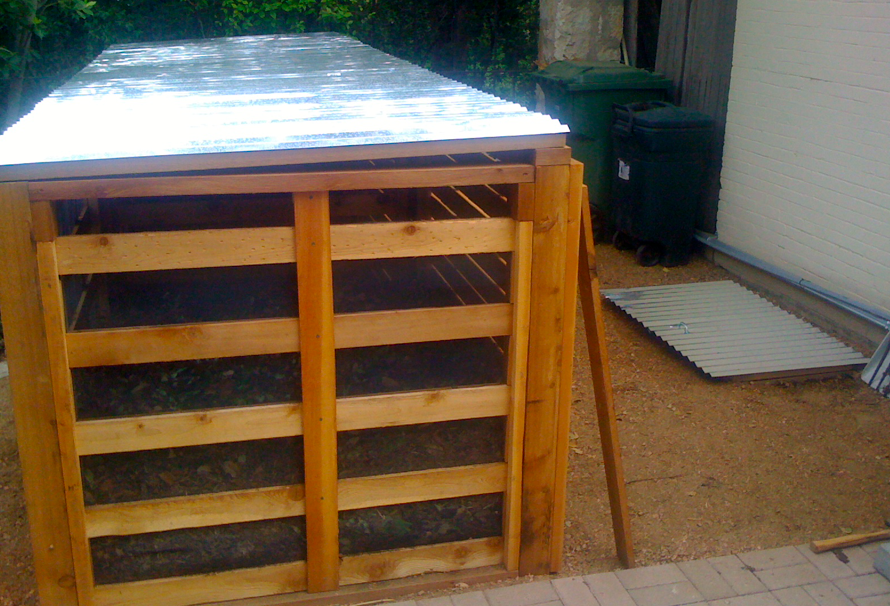
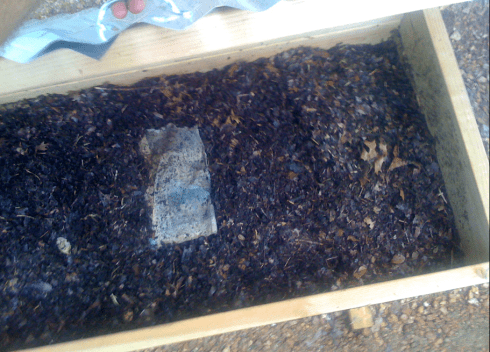
Early this week we welcomed 2.5 inches of rain providing some badly needed moisture to my compost piles and inground worm beds.  The micro organisms that break down organic waste in compost piles need food, air, and water.  In South Texas the missing component of that equation is usually H2O, and with a steady shower over the last couple of days we are back in business.  I get asked often “why is my compost not breaking down?” and the answer is usually a lack of water.  Keep your piles mixed to increase Oxygen, keep them watered if lacking in rain, and add Nitrogen bearing organic matter like grass clippings and manure to reactivate a pile.  Use these winter months to get ready for spring planting and keep those compost piles fed, turned, and moist.
Baby Alabama Jumpers

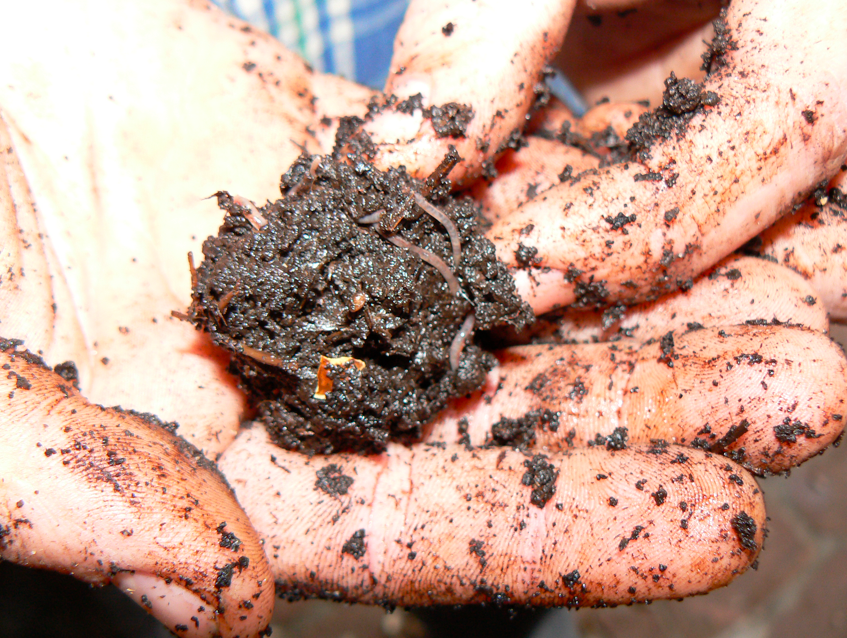
My Jumpers love this time of year and can be at their peak performance.  Cooler temperatures and added moisture stimulate hatching of eggs and adults feeding and breeding in top layers of compost that at other times of the year maybe too hot or dry.

Worms do their part to create lush lawns and landscapes

19 Sep

Check out this recent MySa.com article on the wonderful work going on in the King William historic district along the San Antonio Riverwalk at Villa Finale historic site and museum by head groundskeeper Orlando Cortinas.  Worms do their part to keep Villa Finale lawns lush by Rose Mary Brudge.

State Master Gardener Composter-Specialist Training June 13 at the San Antonio Botanical Garden

13 Jun

Worms are for more than just fishing.  I’ll be at The San Antonio Botanical Garden tomorrow to discuss composting with worms.  We’ll be talking about how worms can take kitchen waste from the trash can to the garden and add life to your soil and plants.  Soon you’ll be backing up your pickup to scavenge manure piles and livestock stalls to feed your own brood of humus producers, and you’ll be producing some of the finest vegetables and plants around.

Join Dr. Jerry Parsons, TexasRedWorms, and the Garden Volunteers of South Texas Jan. 23.

23 Jan

The Garden Volunteers of South Texas will be hosting their monthly “Essentials of Gardening”  from 12:15 – 3 PM tomorrow at the San Antonio Garden Center (3310 N. New Braunfels at Funston, next to the Botanical Garden.)  Dr. Jerry Parsons will be speaking first on year round garden planning.  I will follow him w/ a worm composting presentation.  Admission is free but a $5 donation is encouraged.  Come join us!

Nightcrawlers vs. Red Worms: Summer Performance

12 Aug

I have spent the last couple of weekends harvesting castings from my red worm bins and european nightcrawler bins.  I had tried to hold out until after Labor Day, when it’s only 95 outside.  The heat can add stress to harvesting castings for you and the worms.  Exposed worms can dry out and die quickly.

Loaded down with finished worm castings I was left with little choice.  The girls pitched in and really helped speed things.  My harvester that was built last winter, really came in handy.  We were able to crank through 100+ pounds in no time.  The girls picked worms stuck in the harvester screen. On a side note: Use cooking spray on the wire mesh to help keep the worms from sticking.

In picking egg capsules and smaller worms from two separate harvest runs (red worms/ european nightcrawlers),  I was surprised at the performance of the nightcrawlers.  The cocoon or egg capsule production has definitely slowed down for the red worms compared to other times of the year.  Compared to the red worms, the nightcrawlers had about triple the amount of eggs.  That’s right, from what I have seen this Summer, the European Nightcrawlers have outperformed red wigglers in reproduction.

This past Winter and Summer have been the most extreme temperatures I have seen since beginning worm farming.  The good news is that with a little planning and preparation worms can flourish in just about any part of the country.

RedWorm Composting: Thanks for your participation this past weekend.

25 Jul

Thank you to all who came out to the San Antonio Botanical Garden this weekend.  I have included some links and attachments to dig a little deeper into some of the topics we covered on Saturday.
Worm Handout pdf

Links:

Care of worms– what to do when you get your worms.

Harnessing the Earthworm – by Thomas J. Barrett

Adding worms to your raised bed 

• In ground bin

Harvesting Worm Castings- My harvester

Compost Tea

Thanks again to all who participated and to Sasha Kodet and the San Antonio Botanical Garden.  Let me know if you have any questions, or if I can give you some feedback on your set up.

KyleHarrell@hotmail.com
210-310-5046
http://www.TexasRedWorms.com

Composting with Red Worms 10:00am this Saturday at the San Antonio Botanical Garden

20 Jul

Join TexasRedWorms.com at the San Antonio Botanical Garden this Saturday, July 23 at 10:00 am.  We will be teaching how to set up your own red worm composting bin, and how to compost with worms.  Learn how to turn your kitchen waste into rich worm castings that will condition the soil, and fertilize your plants naturally.

Composting with Red Worms

 10 am—noon. Start turning your waste into rich worm castings for your garden and plants. Red Worm composting from
TexasRedWorms.com will show you how to make your own worm bed and bin, how to feed, care for, and harvest your own steady supply of worm castings. Limit 30 participants. Fee: $20. To register, please contact Sasha Kodet at 210.207.3270 or sasha.kodet@sanantonio.gov.

Easy DIY In ground Worm Composting Bin

21 May

With a few minutes and fewer tools you can set up your own red worm composting system in any raised bed.

Materials:

Tin snips or box cutter

Plastic planter or bucket

Shovel or other digging tool

Stone or cover for the in ground bed

Worms

Find an old plastic planter and cut the bottom out.

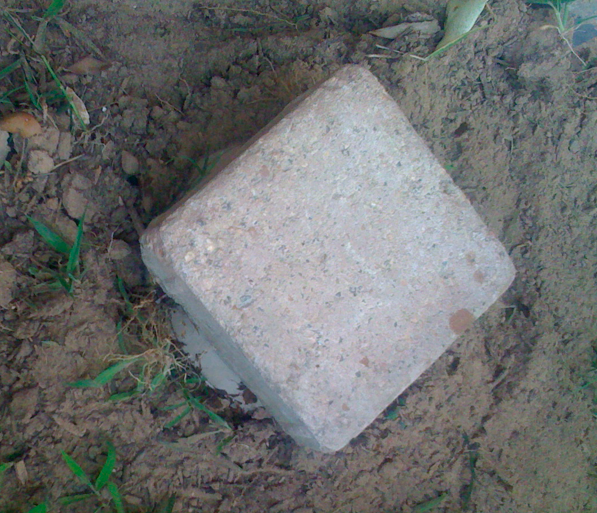
Find a well drained spot that is protected from afternoon direct sun.  Dig a small hole big enough to bury the upside down container.  Add some shredded paper products and some compost.  Moisten your mix and add worms.  Cover w/ a paver or stone to keep out critters, and protect from elements.

Depending on the amount of worms, a handful of kitchen scraps every week or so will be plenty to start.  As your worms grow and reproduce they will require more frequent feedings.  Do not over feed.  Be patient and when the food is processed by the worms, add a few more kitchen scraps.  Keep an eye on moisture.  If kept out of direct sunlight, the food scraps will usually provide enough moisture for your worms.  Worms like it wet because they breathe through their skin, but will drown in standing water.

Red Worms vs. Nightcrawlers for Composting. What’s the Difference?

15 May

Red Worms (Eisenia fetida)European Nightcrawlers (Eisenia hortensis), and African Nightcrawlers (Eudrillus eugeniae), are all excellent composters.  These worms vary in size, w/ Red Worms being the smallest and possibly the least picky.  Red Worms ease of care and ability to handle a wide range of temperatures make them a popular composting worm.

European and African Nightcrawlers are larger worms.  European Nightcrawlers are popular w/ fisherman, due to size.  You’ll find their larger cousin (Canadian Nightcrawler) in bait shops, as well.  European Nightcrawlers can be used for composting, but thought to be less efficient than Red Wigglers or African Nightcrawlers.

African Nightcrawlers are a tropical worm that thrive in warmer climates, need to be kept in temperatures above 70F and will start to die off at 60F.  They are the choice for many commercial worm casting producers that have access to climate controlled facilities.  All three species or varieties can be prolific in the right conditions, and make excellent composting worms.

Red Worm Composting at Historic Preservation Site in San Antonio, TX

11 Apr

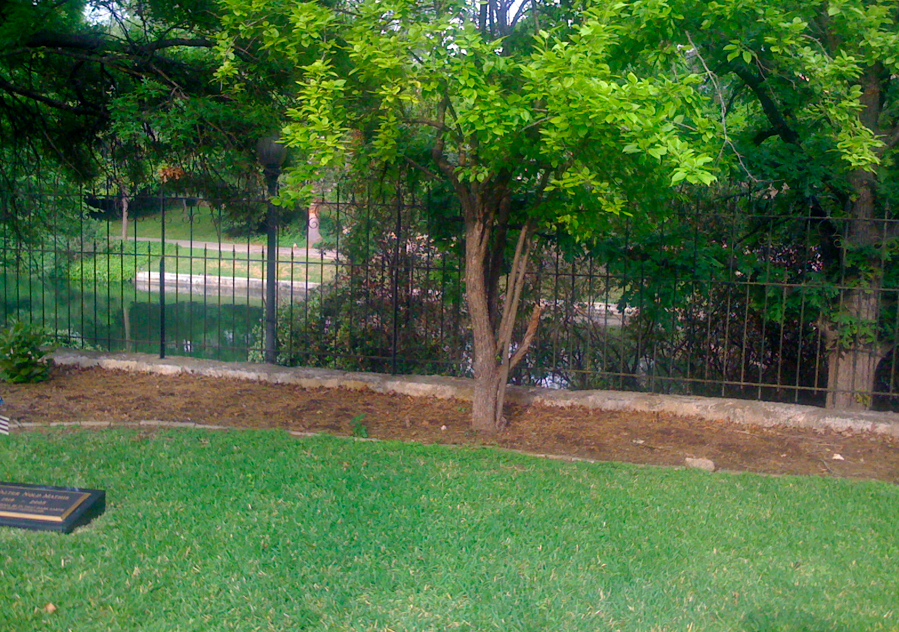
Orlando Cortinas, Landscape Maintenance Technician for Villa Finale in the historic King William district in San Antonio, TX is doing some tremendous work on the museum grounds.  He is bringing this historic property back to life, and working on some exciting organic methods to gardening and landscaping.  Orlando has built a beautiful worm composting pit, and another composting bin for leaves, yard clippings, and food waste.

On my tour of the grounds, Orlando showed me his plans for a greenhouse, and compost tea brewer.  Thanks Orlando, and the National Trust For Historic Preservation for your purchase with TexasRedWorms.com and the tour of your impressive property.

The first National Trust Historic site in Texas, this former home of preservationist and civic leader Walter Mathis was purchased in 1967.  This home originally built in 1876 is now a museum, and a nearly 2 acre showcase along the San Antonio River on former Alamo farm lands.