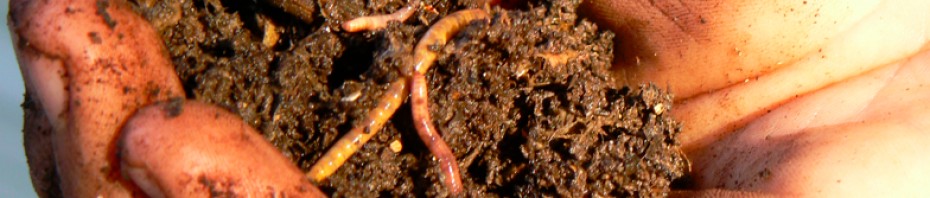

Thanks to Roy Bragg at the San Antonio Express News for his story on Texas Red Worms.

Worms will eat just about anything they can fit into their tiny mouth, and are the ultimate composter, humus maker, and soil conditioner. The primary feedstock I feed my worms is composted horse and cow manure, yard clippings-leaves, and table scraps (minus dairy and grease). Between feedings I sprinkle my own version of Worm Chow over the top of the bin. This simple recipe is great for fattening up your worms for a fishing trip or just adding some diversity to their diet and your castings. Use for your Alabama Jumpers, Red Worms, European Nightcrawlers, or African Nightcrawlers.
TexasRedWorms.com Worm Chow is:
1 part corn meal
1 part ground up oatmeal
add crushed egg shells for minerals and flavor

I have spent the last couple of weekends harvesting castings from my red worm bins and european nightcrawler bins. I had tried to hold out until after Labor Day, when it’s only 95 outside. The heat can add stress to harvesting castings for you and the worms. Exposed worms can dry out and die quickly.
Loaded down with finished worm castings I was left with little choice. The girls pitched in and really helped speed things. My harvester that was built last winter, really came in handy. We were able to crank through 100+ pounds in no time. The girls picked worms stuck in the harvester screen. On a side note: Use cooking spray on the wire mesh to help keep the worms from sticking.
In picking egg capsules and smaller worms from two separate harvest runs (red worms/ european nightcrawlers), I was surprised at the performance of the nightcrawlers. The cocoon or egg capsule production has definitely slowed down for the red worms compared to other times of the year. Compared to the red worms, the nightcrawlers had about triple the amount of eggs. That’s right, from what I have seen this Summer, the European Nightcrawlers have outperformed red wigglers in reproduction.
This past Winter and Summer have been the most extreme temperatures I have seen since beginning worm farming. The good news is that with a little planning and preparation worms can flourish in just about any part of the country.

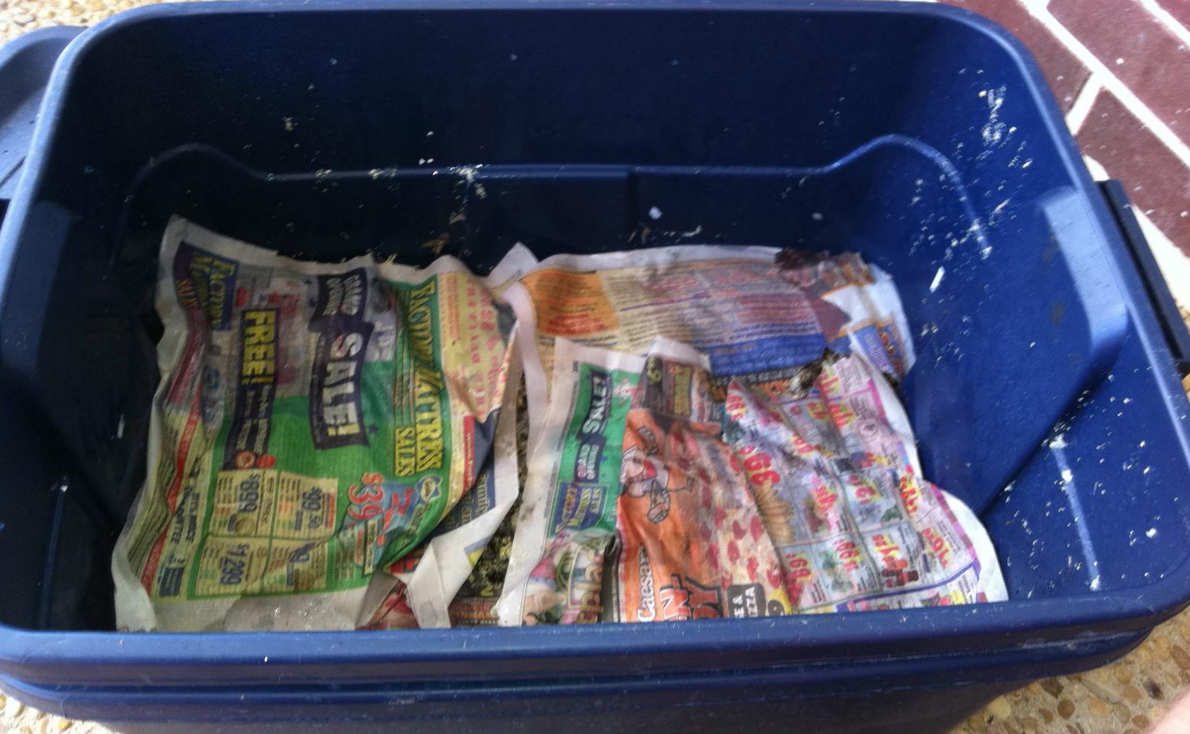
Francisco was kind enough to share these pics of his double tub worm bin. Francisco got started a few months ago and is doing great. His double bin construction technique allows for excess moisture to drain into the bottom catch tub (worm leachate). His bedding base is comprised of finely shredded newspaper mixed w/ food waste. As a mulch layer, he keeps a few sheets of wet newspaper on top of the bin. Francisco also shared some of his homemade worm chow that my worms loved. It was gone the next morning.
Thanks for sharing your ideas and pictures.
This Summer has been brutal, and can be very stressful to your worm bins and beds. Redworms perform best in temperature ranging from 40 F – 80 F., and keeping them moist is essential to their survival in these less than ideal conditions. Don’t drown your worms, but error on the side of wet in this blistering heat.
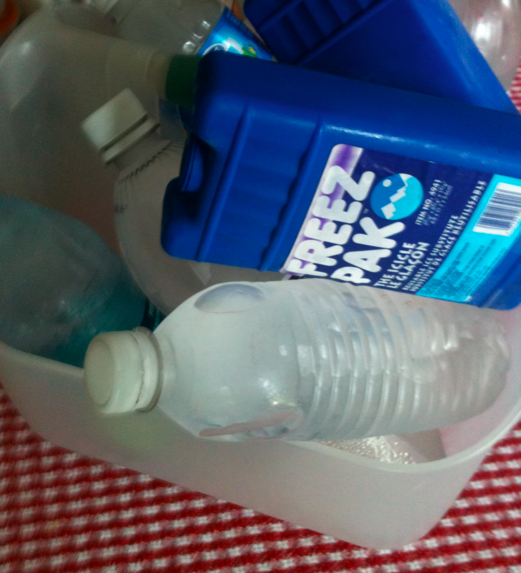
I posted earlier, how to keep worm bins cool by adding frozen water bottles. This works great, but w/ temps hitting 100 in the shade this week, I began having to use more and more ice bottles. I was running out of freezer spa, and was able to convince my wife to let me bring my smaller bins indoors.
My larger worm bins kept in full shade, have faired well. Size of the bin is a big factor. Larger bins or containers will naturally have more volume to allow for greater insulation and protection from extreme temperatures. Smaller bins will “feel the heat” and not have as much buffer or room for protection. I keep old rugs on top of the bedding that are sprayed down daily to keep moist and cool. Add a few more inches of mulch to in ground worm beds and keep as moist as possible in these tough conditions. The mulch added to worm beds or flower beds will add organic matter, protection, and an additional moisture barrier.

Thank you to all who came out to the San Antonio Botanical Garden this weekend. I have included some links and attachments to dig a little deeper into some of the topics we covered on Saturday.
Worm Handout pdf
Links:
• Care of worms– what to do when you get your worms.
• Harnessing the Earthworm – by Thomas J. Barrett
• Adding worms to your raised bed
• In ground bin
•Harvesting Worm Castings- My harvester
Thanks again to all who participated and to Sasha Kodet and the San Antonio Botanical Garden. Let me know if you have any questions, or if I can give you some feedback on your set up.
KyleHarrell@hotmail.com
210-310-5046
http://www.TexasRedWorms.com

Join TexasRedWorms.com at the San Antonio Botanical Garden this Saturday, July 23 at 10:00 am. We will be teaching how to set up your own red worm composting bin, and how to compost with worms. Learn how to turn your kitchen waste into rich worm castings that will condition the soil, and fertilize your plants naturally.
10 am—noon. Start turning your waste into rich worm castings for your garden and plants. Red Worm composting from
TexasRedWorms.com will show you how to make your own worm bed and bin, how to feed, care for, and harvest your own steady supply of worm castings. Limit 30 participants. Fee: $20. To register, please contact Sasha Kodet at 210.207.3270 or sasha.kodet@sanantonio.gov.

We have had a high number of 100+ degree days this Summer in Texas. When temperatures get into the 90s worms get stressed.
One way to avoid overheating and losing worms is to keep them indoors. Avoid overfeeding and smell will not be an issue. Overfeeding can also attract fruit flies. Eliminating fruit flies is as easy as covering your bin with cheese cloth, or other breathable fabric.
Find a full shade location if your worms are outside. Add ample bedding and keep moist. 80%- 90% moisture is recommended, and in hotter temps lean towards more moisture to keep worms cool. Keep lids cracked to increase airflow. A closed bin can bake even in the shade with high temperatures. Garage kept worms still need to be monitored in the heat.
Another trick I’ve employed is freezing plastic bottles full of water and adding them to bins on hot afternoons. My worms have been appreciative in these “dog days” of summer.

 Texas Jumpers