Thanks to Michael in Cypress, TX for sharing the pictures of his rabbit hutch and worm bed design. Great work and thanks for sending.


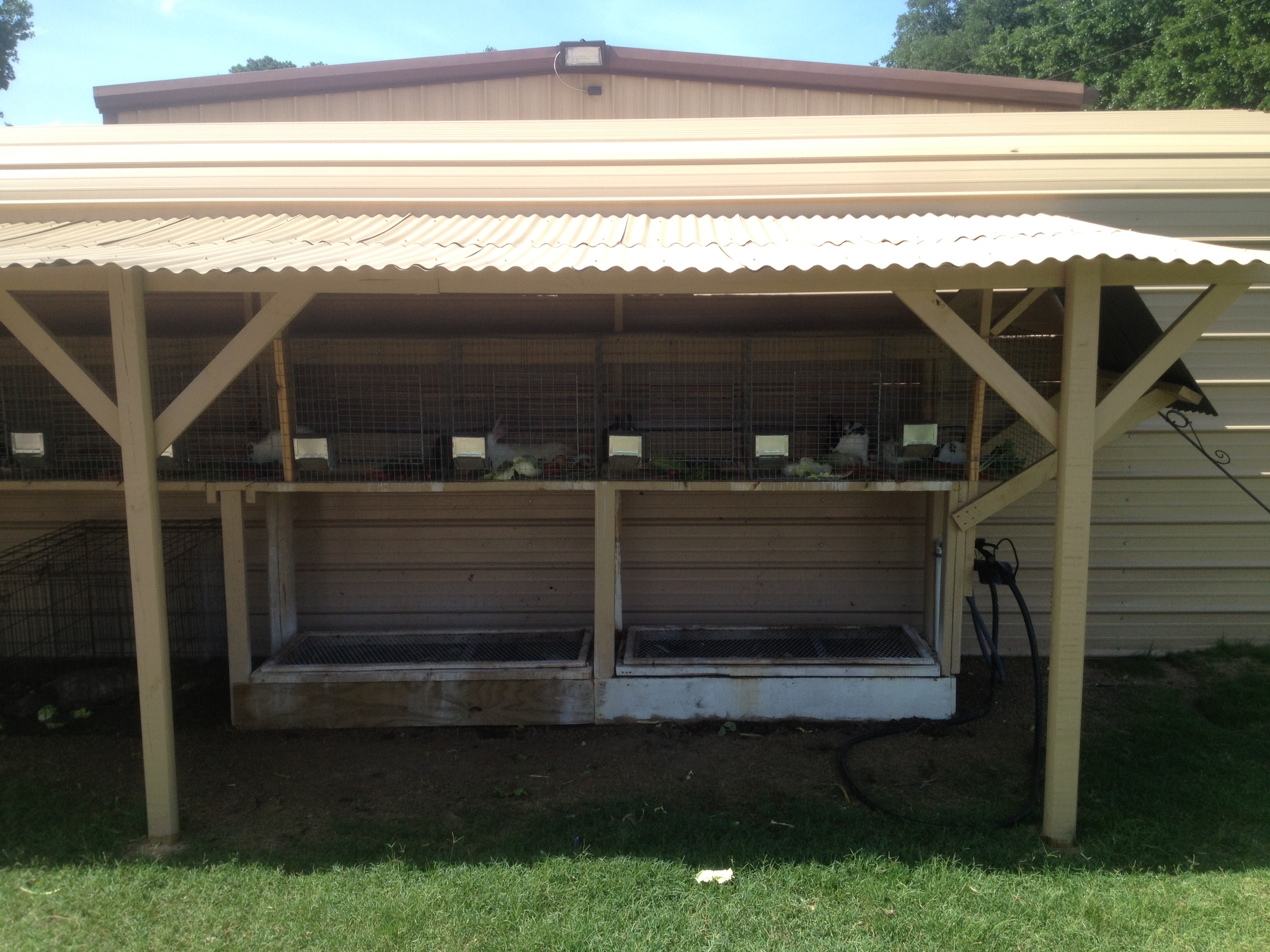
Thanks to Michael in Cypress, TX for sharing the pictures of his rabbit hutch and worm bed design. Great work and thanks for sending.

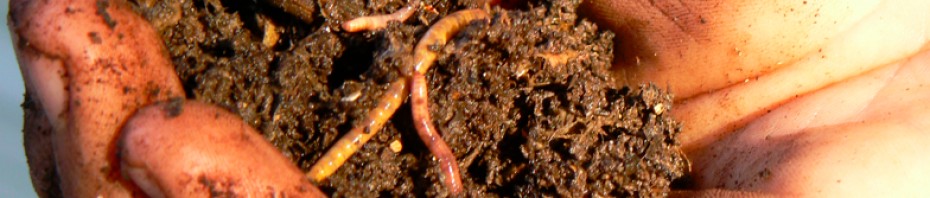
Red Mites killing a red worm

Red mites on watermelon rind.
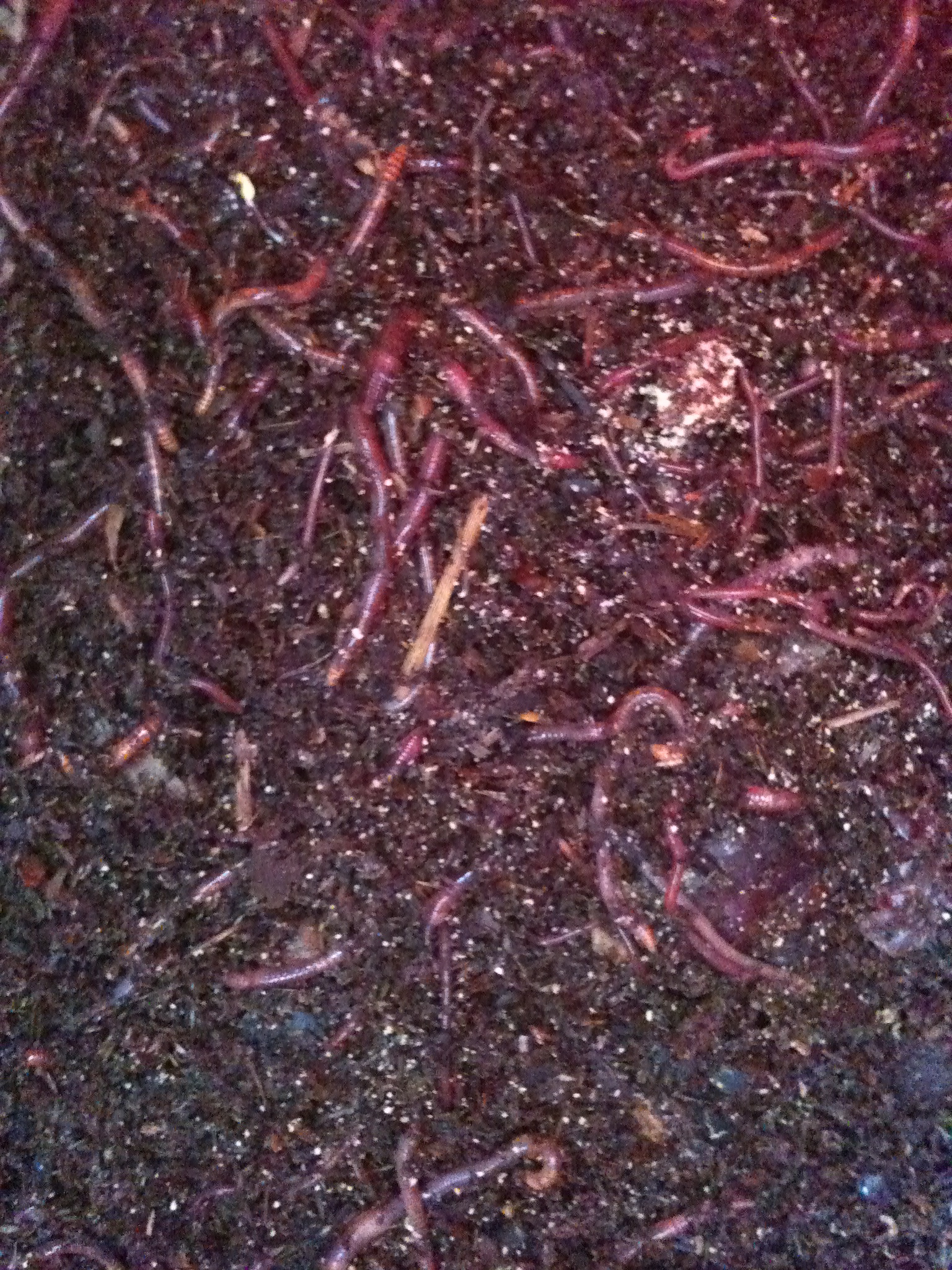
I’ve encountered these red devils before but not at this level. Unlike most visitors in your worm bin, these guys are parasites to worms. (see top picture). Red mites flourish and can become a problem in a bin that is too moist, has too much food, or too acidic. Don’t panic if you have a few mites, but a bin that is has been neglected and unkept in these conditions can pose a problem. My outbreak was caused by overfeeding before we headed out for our July 4th vacation, and was left to fester for more than a week. Getting rid of a red mite infestation can be a challenge.
I’ve tried several methods and have shown below a little experiment I began today. I scraped the top of some red mite infected bins and partially filled some small shoebox containers. From Left to Right in pic below 1. control 2. diatomaceous earth 3. watermelon rind 4. agricultural lime.
1. The control bin will be left open and scraped from time to time to see how long it takes to get rid of the red mites.
2. Diatomaceous Earth has been applied to top of #2. DE needs to be kept dry in order for it to stick to bugs and make tiny cuts that will dry them out and kill them off.
3. Watermelon rind placed on top to attract red mites and discard. I will replace with a new one and repeat and see how this does.
4. Ag Lime dusted on top. Ag lime is alkaline and will hopefully bring the acidic bedding closer to neutral. The high alkalinity concentrated on the top should burn up the red mites and not harm the worms.

4 methods for getting rid of red mites
These methods have been used before and should all work. I just kind of wanted to see them head to head. We’ll see how this turns out. The good news is most of the red mites have been dismissed without harming too many of my bins and worms. Additionally, I learned a valuable lesson about overfeeding, and next time I’ll use more composted manure and less of my worm chow mix. My mistakes were 1. overfeeding 2. too wet 3. too much peat moss and too little composted manure (which made my bedding a little acidic) 4. My infected bins were unattended for a week. Had I caught them sooner it wouldn’t have been much of an issue.
Vermiculture/Worm Composting Presentation is scheduled from 3-4PM on Wed 12 June 2013 at the San Antonio Botanical Garden (Education Bldg or Auld House depending on room availability-TBD)
Kyle Harrell from TexasRedWorms.com will be presenting from 3-4PM focusing on setting up a simple worm bin, along with the benefits/challenges of vermicomposting in Texas.
Today Tuesday, April 16th, from 6-8pm at the Alamo Heights Community Garden Texas Red Worms will be with Green Spaces Alliance at 403 Ogden St. Join us for instruction and discussion on worms, composting, and compost tea.

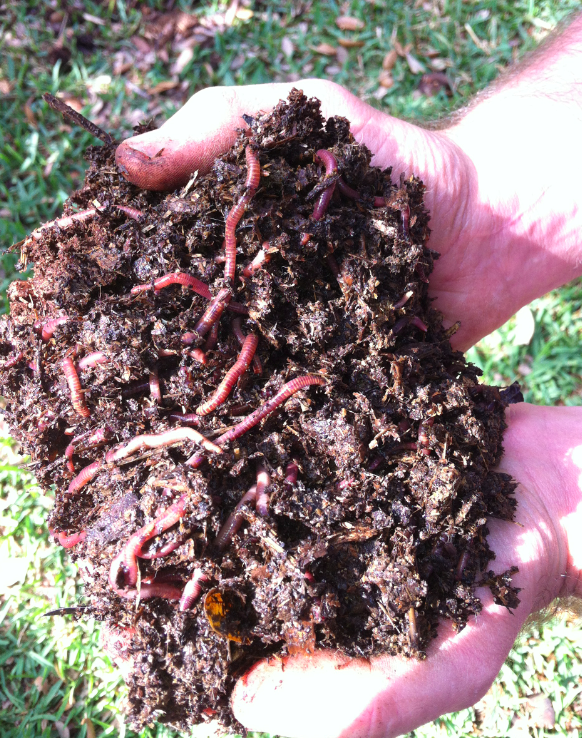
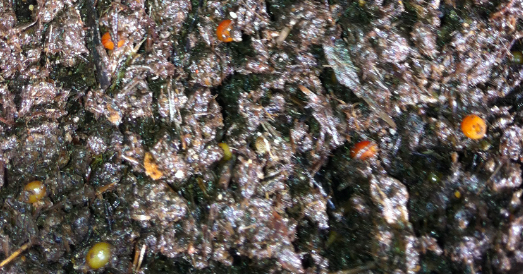
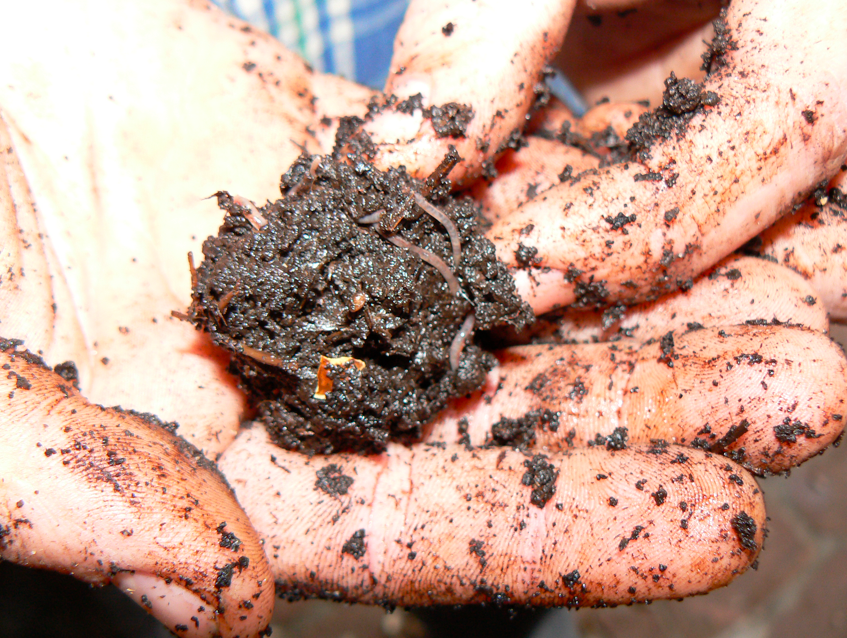
Spring is here and the worms are hungry. Cocoons, and baby worms are appearing by the minute. Here are a couple of pics from this week’s castings harvest.

From Mike in San Antonio:
“Bro thanks a million!!! Very excited about my worms. Almost turned around and bought more! LOL. Here are some pix.
Very excited about my Garden.”
Thanks for sharing!


The Spring Fever Festival is Saturday March 23, 2013 at 33 Herff Road, Boerne TX 78006. Kyle from Texas Red Worms will be speaking at 11 a.m. I will be presenting basics of worm composting and answering questions on worm farming. I look forward to seeing you there.
Upcoming events include an April 16th appearance in San Antonio with Green Spaces Alliance. Stay tuned for more details.
Early this week we welcomed 2.5 inches of rain providing some badly needed moisture to my compost piles and inground worm beds. The micro organisms that break down organic waste in compost piles need food, air, and water. In South Texas the missing component of that equation is usually H2O, and with a steady shower over the last couple of days we are back in business. I get asked often “why is my compost not breaking down?” and the answer is usually a lack of water. Keep your piles mixed to increase Oxygen, keep them watered if lacking in rain, and add Nitrogen bearing organic matter like grass clippings and manure to reactivate a pile. Use these winter months to get ready for spring planting and keep those compost piles fed, turned, and moist.
My Jumpers love this time of year and can be at their peak performance. Cooler temperatures and added moisture stimulate hatching of eggs and adults feeding and breeding in top layers of compost that at other times of the year maybe too hot or dry.
Earthworms have a couple of jobs, and depending on your goals you will need to decide what worm is best for you. Earthworms feed on decaying organic matter and produce castings. Worm castings (worm poop) is nitrogen rich, pH balanced, humous that is ready to be absorbed by plants roots immediately. Earthworms are the intestines of the soil and are top soil producers. Beyond soil production, their other job is to tunnel through the ground aerating and mixing the soil as they work. Earthworms are also the “plow of the soil” mixing layers of earth while they eat, tunnel, and deposit their castings. These tunnels allow oxygen and water to reach roots of plants and break up compacted soil for greater root penetration and growth.
Red Worms (eisenia foteida) If your goal is composting and worm casting production, this prolific producer is your worm. Well suited for bin raising, not a candidate for adding directly to soil.
European Nightcrawler (eisenia hortensis) Larger worm that is an excellent for composting and fishing. Well suited for bin raising, not a candidate for adding directly to soil.
Alabama Jumper (amynthas gracilis) Large worm that is a powerful aerator. Strong worm that is ideal for adding to garden or soil and can burrow deep in hard packed soil. These worms are deep divers and do a great job of mixing layers of the soil, can be bin raised but are better suited for the soil.
9/15 – A Beginner’s Guide to Vermicomposting (10:30am-12:00pm)
122 Madison
San Antonio, TX 78204
(210) 223-9800
Vermicomposting is the natural process by which red worms process waste and convert it into an efficient natural fertilizer. In this program, Kyle Harrell of Texas Red Worms will show participants how they can take kitchen waste to create a wonderful fertilizer that will enrich their garden soils and plants, all with the help of worms! All paid participants will receive a sample of Villa Finale’s compost and a few red worms to get them started at home. Comfortable dress is recommended. Space is limited – please call Villa Finale Visitor Services to make your reservation.
For more information on Kyle’s work, visit www.Texasredworms.com
$15.00 members
$25.00 non-members
 Texas Jumpers