Tag Archives: red worms

The right temperature for red worms.

13 Jul

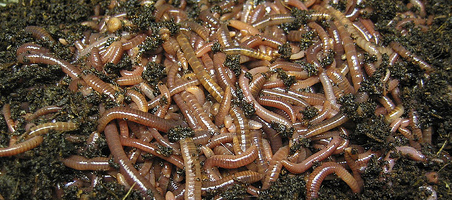
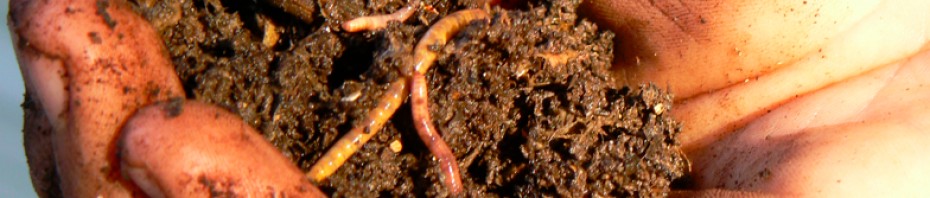
Is it too hot or too cold to raise worms where you live?  Red wigglers are hearty critters, but do need the right temperature, moisture, and food.

Red worms (Eisenia Fetida) do best in temperatures between 55-77 degrees Fahrenheit, but can survive from 40-80 degrees F.  Outside worm bins are subject to the elements and sometimes much more extreme temperatures in Summer and Winter.  To remedy this a worm pit is an effective way to combat these extreme temperatures.  The underground temperature holds a more constant temperature.  Thermal inertia means that below ground temps. stay cooler that air temps. in Summer and warmer in the Winter.

I have built worm pits outdoors in South and East Texas, and they have done very well.  A worm pit can be a simple worm bed that is dug several inches underground in a shady spot with a protective cover, or by placing a plastic pot or bucket halfway or more into the ground to keep out of the elements.

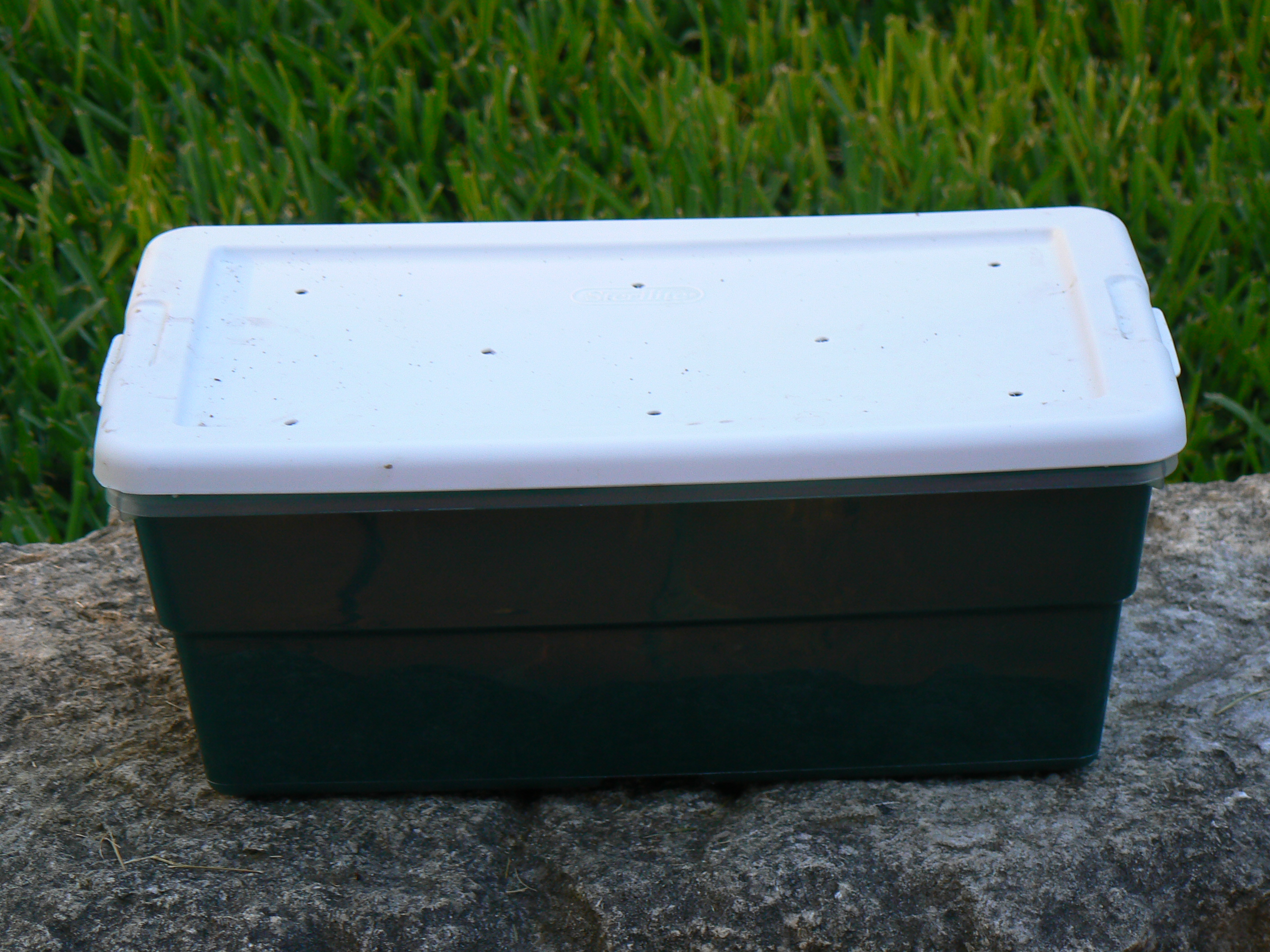
I keep several smaller bins indoors.  Plastic containers make terrific worm bins, and can be kept odor free, and bug free indoors.  You can purchase starter farms that are set up w/ bedding, food, castings, and hundreds of worms from TexasRedWorms.com.
DIY Compost (Red Worm) Tea

5 Jul

Another use for getting the most out of your worm castings or compost pile is making Tea. Compost or Vermicompost (Worm Castings) Tea. are tremendous for adding life to plants and soils. Microbes (beneficial bacteria, fungi, nematodes, and other micro-organisms) allows the soil to become “alive” restoring balance that increases disease resistance, reduces water consumption, and produce healthier plants. Eliminate the need for commercial fertilizers and pesticides. The beneficial microbes in Compost Tea will enable your soil to naturally regulate itself.

Compost or Vermicompost Leachate is often times confused as Tea. The leachate is the run off or drippings from your worm bin or compost pile. Worm or compost leachate is beneficial to plants and has fertilizing goodies like phosphates and nitrogen, but is not Tea. Tea is brewed over a period of time. The brewing process is in most recipes is where a compost and some molasses are added to non-chlorinated water and is aerated for a period of time. The Compost is placed in the water in a porous bag to steep.

Aeration is important in the brewing process to give Oxygen for microbes to grow and reproduce. Keeping your brew aerobic is important for producing a bumper crop of beneficial micro-organisms. To provide aeration to your home brew an aquarium pump, air stones, and tubing can be purchased for around $15. Know that purchasing bottled worm tea or other compost tea products is not going to be aerobic and therefore will not have near the amount of living microbes as a tea that is applied within a few hours of aeration.

Feeding the bacteria, fungi, and protozoa is also important for an optimal brew. Molasses or brown sugar are used to feed bacteria while alfalfa and grass clippings can be added to feed fungi and protozoa. There are an unlimited number of recipes for Compost Tea, and is much an art as a science.

Bruce Dueley does a good job of describing how to make your own for under $30.

Red Worm Farm

21 Jun

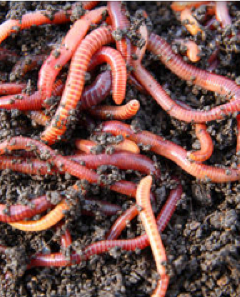
A fun easy way to reduce waste and turn your thumb green is by composting with Red Worms. $40 gets you your own red wiggler worm farm. Includes bin, castings, red worms, and food. All you have to do is add your table scraps, shredded newspaper, and watch the worms do the rest. Red wigglers turn food wasted into castings and vermicompost tea for your plants, yard, and garden, and bait.

Red Worm Farming Tips

21 Jun

Red Worm Farming tips:

•Keep farm in a dark place or all day shade if outside.

•Add bedding (shredded newspaper/cardboard) to eliminate smell, and soak up moisture and prevent mold and fungus.

•Keep worms moist 60%-80% (food scraps will usually provide enough moisture).

•Every few months, harvest the castings for plants and excess worms to start a new bin for yourself or a friend.

•Happy worms will churn through waste and be prolific breeders. Eggs sacs, juveniles, and mature adults will be present.

•Worms are hardy critters, but need to be protected from extreme temperatures and sunlight. 40F-80F

•Feed worms eggshells, cardboard, paper, fruit and vegetable scraps, coffee grounds, yard clippings, aged cow, chicken, rabbit, or horse manure.

•Avoid feeding worms dairy, meat, grease, dog or cat feces.