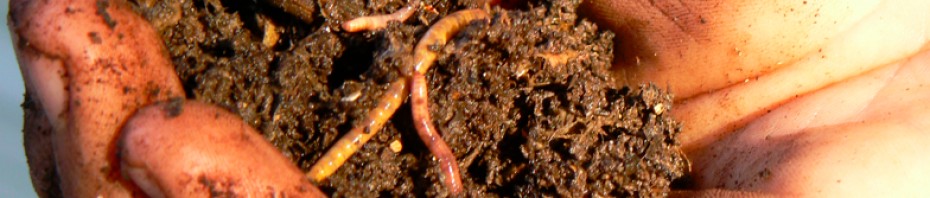
 The candy is gone and the festivities are over. Instead of throwing those pumpkins out with the trash, add them to your compost pile or feed them to your red wigglers. Composting and worm farming is fun for the whole family. It is rewarding watching your food waste turn into dark and rich finished compost. I just added some worm castings to my lemon trees, and am on the hunt for sad jack-o-lanterns around the neighborhood.
Tag Archives: red worm farming tips
What to do w/ your Pumpkins after the Trick or Treating
2 NovWhat to feed red worms
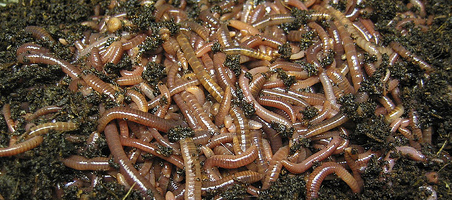
30 Oct(Eisenia Foetida) red worms also known as red wigglers, manure worms, brandling worms, and tiger worms are native to Europe and found naturally in decaying piles of leaves and manure. Their adaptability and heartiness allow them to thrive in various climates and bins. They prefer temperatures from 40F-80F and are terrific composters.
Vegetable and fruit scraps, herbivore manure, yard clippings, paper products, used coffee grounds, and egg shells round out what I use to feed my worms. Avoid over heating worm bins caused by the composting process, and to speed up availability of bite sized food for the worms by feeding partially composted food scraps and manure. I feed my red worms from my compost bins. Variety and balance will keep your worms healthy and happy, and will ensure a balanced pH in your bins and will avoid worms trying to escape and other problems.
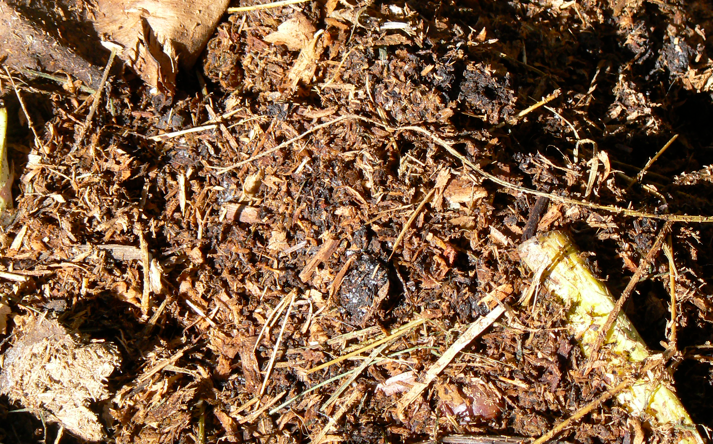
Scraps straight from the table can be added in small quantities to a section of an established bin when the worms have eaten through their previous feeding. For beginners and new bins I recommend feeding less course or already broken down matter.
Texas RedWorms visits Floresville Elementary
26 Oct
Texas Red Worms.com spent lunch today with 300 3rd graders from Floresville Elementary School. We talked about composting, red worms, and how they could become red worm farmers. The students have been composting for about a month. Each of the eight 3rd grade science classes will have their own redworm farm to help in their composting process. Students are learning how to reduce waste and turn trash into nutrient dense castings they can add to plants and landscape around their homes and school.
The students asked some great questions and are eager to begin worm farming (vermicomposting). Thanks to a bunch of smart, and well behaved students, Mrs. Davis, and the rest of the 3rd grade science department at Floresville ISD.
Outdoor Red Worm Farm
12 OctRed Worm farming is fun, easy, and helps you convert food wastes into rich natural fertilizer for your yard, plants, and garden. Red worms are prolific and with time a handful of worms will grow exponentially. I have build worm beds, pits, containers of all shapes and sizes and this weekend tried something new. We had an old chicken coop that I converted into an outdoor bed.
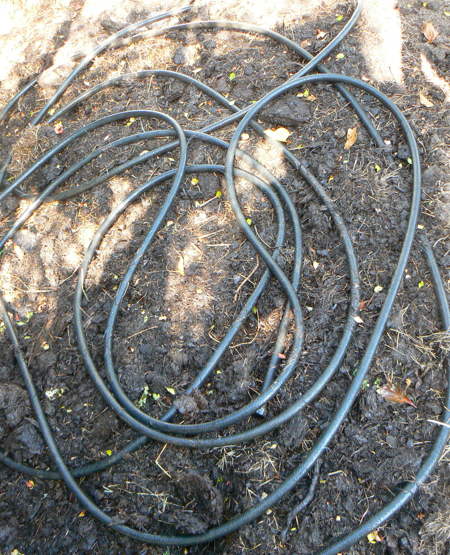
This old chicken coop is a great spot for a worm bed. Protected from direct sun and wind with a sandy soil base that will ensure good drainage. I tilled up an area of about 10′ X 10′ and added a few loads of aged cow and horse manure to about 6″ depth. Next, I ran a soaker hose over the bed and wet down the manure. Last, I added about 2lbs. of bed run worms to start.
Things to consider when preparing a worm bed:
Protection from sun and extreme temperatures – (tin roof and three sided wall, and at least 6 inches of bedding)
Moisture – Add depth of bedding and provide adequate watering. (6″ of aged manure and soaker hose, can cover with old carpet, plywood, or tarp)
Drainage – (sandy soil or sand base will keep water from collecting and drowning worms)
Bedding and Food- (partially broken down compost and aged manure are excellent for red worms)
Why are all my worms at the top of the bin?
10 AugI had someone ask the other day about why there worms were lined up at the top of their bin?
Worms should be dispersed throughout your bin when conditions are right. So chances are there might be an issue with your bin if you see this. Red worms like it moist, but don’t drown them. If the bin is outdoors make sure the soil is well draining, and that rain will not collect. Temperature is the other big factor in my experience. See The right temperature for worms for more info.
For an in depth look at the 3 rights of worm farming check out this link.
DIY outdoor worm farm
17 JulA shady flower bed in well drained soil is a terrific place for a submerged bucket or flower pot bin to make your very own worm bed or pit. Take a bucket or flower pot and and dig a hole deep enough for at least 1/2 to be underground. Turn your pot or bucket upside down and cut a hole in the top to feed worms and harvest castings. Your red wigglers will be able to stay cool in the Summer and warm in the Winter.

This bin was started a year ago and has been outstanding. This bed made it through one of the coldest Texas Winters I can remember with temperatures hitting the mid teens on a couple of occasions. I pulled the stone covering the top in early Spring, and was pleasantly surprised to see tons of baby red worms going to work.

Your flower bed will benefit from the castings deposited by your worms, and the leachate or run off will provide nitrogen rich nutrients as well. The cover helps to protect worms from the elements, and helps keep the bin from drying out. Send pictures of your worm bins, and share your ideas harrellindustries@gmail.com
Red Worm Farm
21 Jun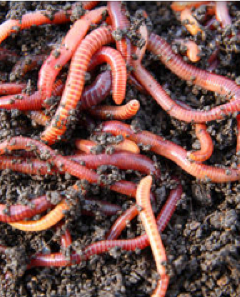
A fun easy way to reduce waste and turn your thumb green is by composting with Red Worms. $40 gets you your own red wiggler worm farm. Includes bin, castings, red worms, and food. All you have to do is add your table scraps, shredded newspaper, and watch the worms do the rest. Red wigglers turn food wasted into castings and vermicompost tea for your plants, yard, and garden, and bait.
Red Worm Farming Tips
21 Jun

Red Worm Farming tips:
•Keep farm in a dark place or all day shade if outside.
•Add bedding (shredded newspaper/cardboard) to eliminate smell, and soak up moisture and prevent mold and fungus.
•Keep worms moist 60%-80% (food scraps will usually provide enough moisture).
•Every few months, harvest the castings for plants and excess worms to start a new bin for yourself or a friend.
•Happy worms will churn through waste and be prolific breeders. Eggs sacs, juveniles, and mature adults will be present.
•Worms are hardy critters, but need to be protected from extreme temperatures and sunlight. 40F-80F
•Feed worms eggshells, cardboard, paper, fruit and vegetable scraps, coffee grounds, yard clippings, aged cow, chicken, rabbit, or horse manure.
•Avoid feeding worms dairy, meat, grease, dog or cat feces.
 Texas Jumpers