Tag Archives: red worm farming

Why are all my worms at the top of the bin?

10 Aug

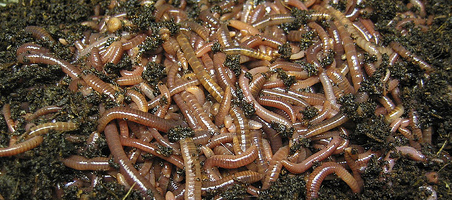
I had someone ask the other day about why there worms were lined up at the top of their bin?

Worms should be dispersed throughout your bin when conditions are right.  So chances are there might be an issue with your bin if you see this.  Red worms like it moist, but don’t drown them.  If the bin is outdoors make sure the soil is well draining, and that rain will not collect.  Temperature is the other big factor in my experience.  See The right temperature for worms for more info.

For an in depth look at the 3 rights of worm farming check out this link.
500 gallon Compost Tea Party part 2

27 Jul

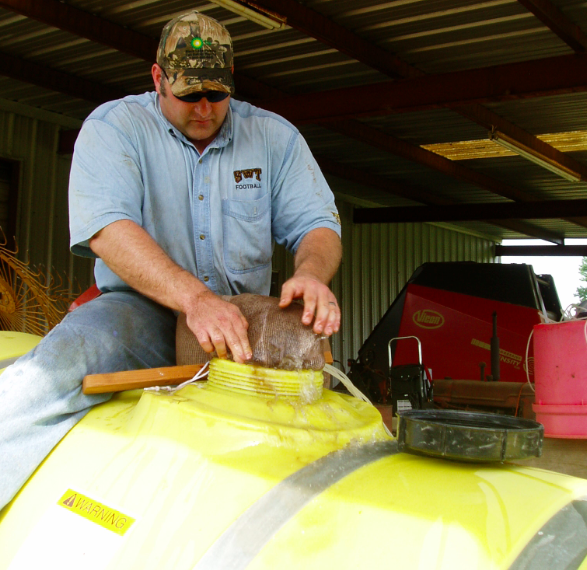
Let the Compost Tea Party begin.  The holes in our mesh bags were too large, and we were concerned that our sprayer might get clogged.  We grabbed some old panty hose and stuffed our bags into them.

We brewed up our first batch for about 24 hours.  It had a nice weak tea color and had a hint of earthy smell.  (I pulled out my old Sears microscope that I got for Christmas in ’85, but figured X600 would not be quite powerful enough to see any microbes.) The first batch went well and was applied at a rate of 15 gallons per acre.

The next batch that is brewing right now.  This batch will brew for 36 hours.

DIY outdoor worm farm

17 Jul

A shady flower bed in well drained soil is a terrific place for a submerged bucket or flower pot bin to make your very own worm bed or pit.  Take a bucket or flower pot and and dig a hole deep enough for at least 1/2 to be underground.  Turn your pot or bucket upside down and cut a hole in the top to feed worms and harvest castings.  Your red wigglers will be able to stay cool in the Summer and warm in the Winter.

This bin was started a year ago and has been outstanding.  This bed made it through one of the coldest Texas Winters I can remember with temperatures hitting the mid teens on a couple of occasions.  I pulled the stone covering the top in early Spring, and was pleasantly surprised to see tons of baby red worms going to work.

Your flower bed will benefit from the castings deposited by your worms, and the leachate or run off will provide nitrogen rich nutrients as well.   The cover helps to protect worms from the elements, and helps keep the bin from drying out.  Send pictures of your worm bins, and share your ideas harrellindustries@gmail.com

Used coffee grounds for compost and worm food.

16 Jul

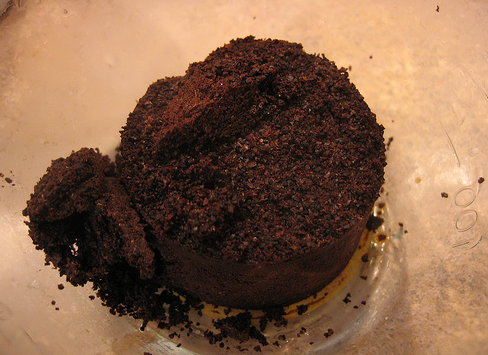
Along with our families food waste, horse and cow manure, I have been adding a fair amount of used coffee grounds to my compost piles and red worm beds.  For the past several weeks I have been stopping off at some local coffee shops for their used coffee grounds.  Concerned about the acidity level of the used coffee grounds I did a little research, and found out that the acid is water soluble and mostly removed in the brewing process.  What is left is close to neutral on the pH scale and a great source of Nitrogen for your plants, compost, or worms.

For more information on how to use coffee grounds for compost and fertilizer check out Ground to Ground.

Red Worm Farm

21 Jun

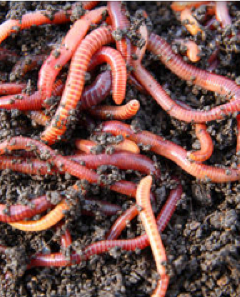
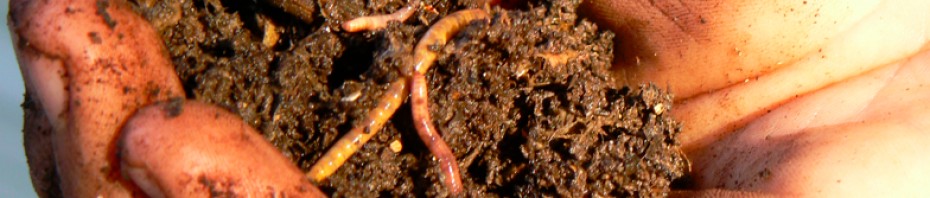
A fun easy way to reduce waste and turn your thumb green is by composting with Red Worms. $40 gets you your own red wiggler worm farm. Includes bin, castings, red worms, and food. All you have to do is add your table scraps, shredded newspaper, and watch the worms do the rest. Red wigglers turn food wasted into castings and vermicompost tea for your plants, yard, and garden, and bait.

Red Worm Farming Tips

21 Jun

Red Worm Farming tips:

•Keep farm in a dark place or all day shade if outside.

•Add bedding (shredded newspaper/cardboard) to eliminate smell, and soak up moisture and prevent mold and fungus.

•Keep worms moist 60%-80% (food scraps will usually provide enough moisture).

•Every few months, harvest the castings for plants and excess worms to start a new bin for yourself or a friend.

•Happy worms will churn through waste and be prolific breeders. Eggs sacs, juveniles, and mature adults will be present.

•Worms are hardy critters, but need to be protected from extreme temperatures and sunlight. 40F-80F

•Feed worms eggshells, cardboard, paper, fruit and vegetable scraps, coffee grounds, yard clippings, aged cow, chicken, rabbit, or horse manure.

•Avoid feeding worms dairy, meat, grease, dog or cat feces.