Tag Archives: red worms for sale in texas

Red Worm Composting at Historic Preservation Site in San Antonio, TX

11 Apr

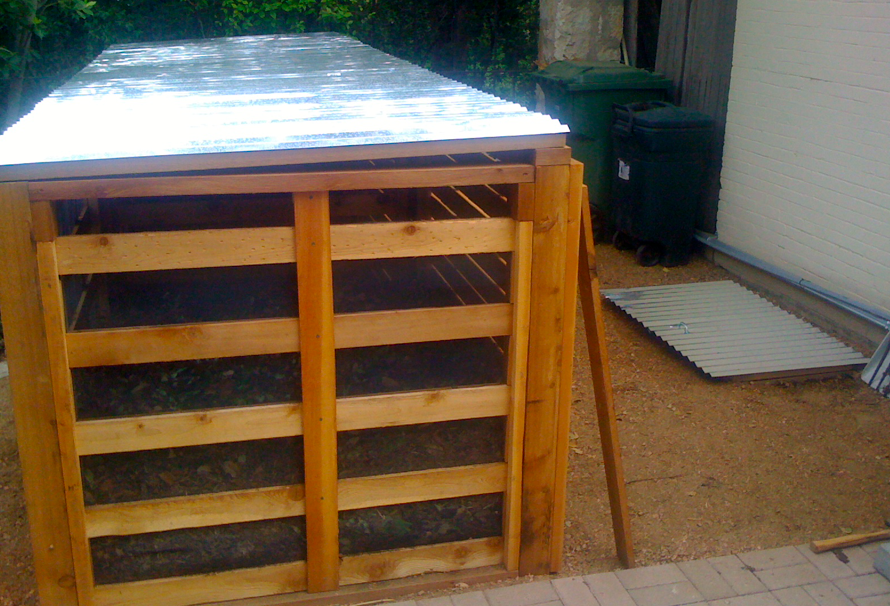
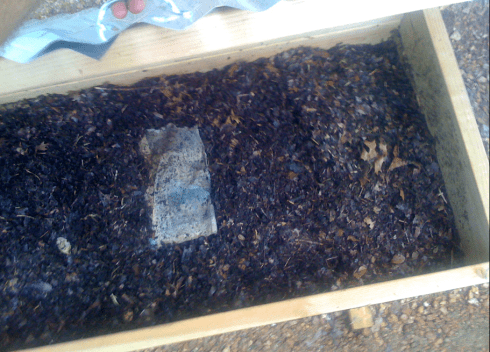
Orlando Cortinas, Landscape Maintenance Technician for Villa Finale in the historic King William district in San Antonio, TX is doing some tremendous work on the museum grounds.  He is bringing this historic property back to life, and working on some exciting organic methods to gardening and landscaping.  Orlando has built a beautiful worm composting pit, and another composting bin for leaves, yard clippings, and food waste.

On my tour of the grounds, Orlando showed me his plans for a greenhouse, and compost tea brewer.  Thanks Orlando, and the National Trust For Historic Preservation for your purchase with TexasRedWorms.com and the tour of your impressive property.

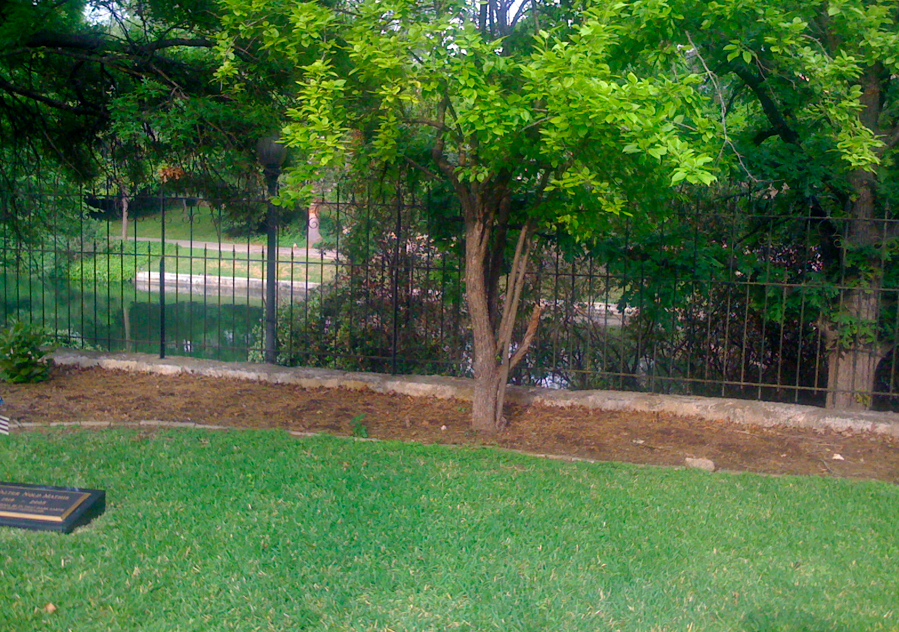
The first National Trust Historic site in Texas, this former home of preservationist and civic leader Walter Mathis was purchased in 1967.  This home originally built in 1876 is now a museum, and a nearly 2 acre showcase along the San Antonio River on former Alamo farm lands.

Worm Composting Bins and Garden Worm Tubes

31 Mar

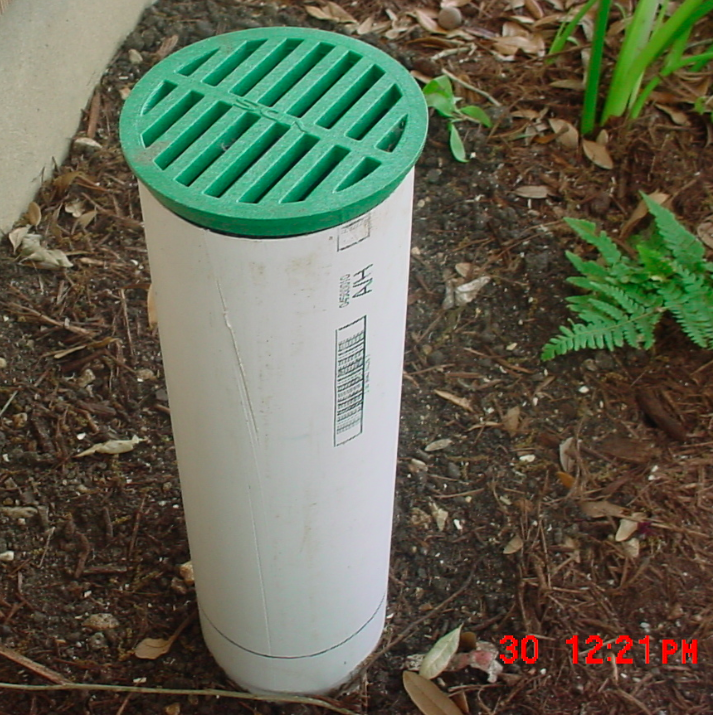
Brian in San Antonio was kind enough to share some pictures of his worm tubes that he placed under the eves of his home and buried about 18″.  He drilled several holes in the  bottom 18″ buried portion of the pipe for drainage.

I just wanted to thank you for your help and encouragement starting worm composting. I went ahead and mixed 50-50 cow manure and peat moss in my tube and added a hand full of your red worms, and built a two bin system for the rest of the worms. two worm I added to my potted pineapple plant as an experiment. I figured I’d let the worms settle in for 3-7 days before adding vegetable mater. take a look at my pictures   and let me know what you think. thanks again brother. BRIAN

Here are some more pics of his two bin system.

Above: drainage bin to catch excess moisture from worm composting bin.

Thanks to Brian in San Antonio for sharing your pics and ideas.

Let us know if you have any questions about composting w/ worms.  Red Worms, European Nightcrawlers, and Alabama Jumpers available at TexasRedWorms.com for composting, gardening, and fishing. For more tips on what to do when you receive your worms check out our Care of Worms section.

Make your own worm pit.

25 Mar

Due to a lack of morning or afternoon sun, I had a difficult time growing anything in this flower bed.  What began about three years ago as a compost pile would be converted into a worm pit.

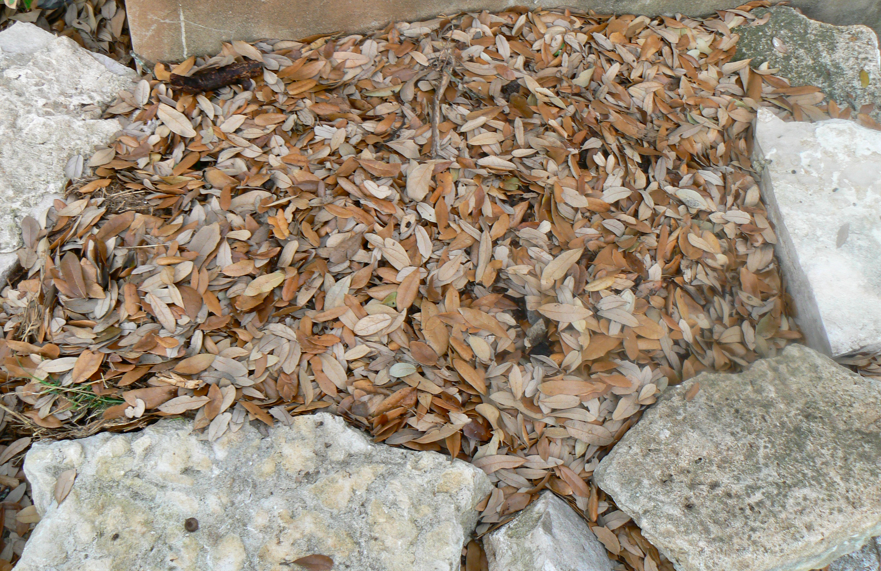
First, I dug out some of the existing soil that was mostly clay and caliche (rock).  I dug out about 18″ and began filling w/ organic matter.  I began adding coffee grounds, horse and cow manure, grass clippings, leaves, and other vegetable waste.  I didn’t add worms until about this time last year.  Adding the worms at this point,  gave the organic matter plenty of time to break down, and provide a rich environment for the worms.  The worms have flourished and every handful yields a good many worms.  I have continued to add compost material, and water as needed to keep the bed moist.  Over the last month or so, the live oaks have given us a ton of leaves, and I have added them to the top layer as a mulch.   You can use newspaper, hay, or other kinds of mulch to keep the worm bed from drying out.  A layer of mulch will also keep the worms cool in the summer and warm in the winter.  This particular worm pit I am raising Alabama Jumpers, but is suitable for other species, red worms, European nightcrawlers, and African nightcrawlers.

Harvesting Worm Castings w/ a Homemade Sifter

23 Mar

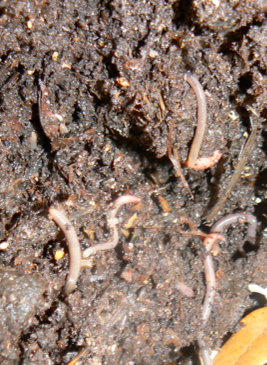
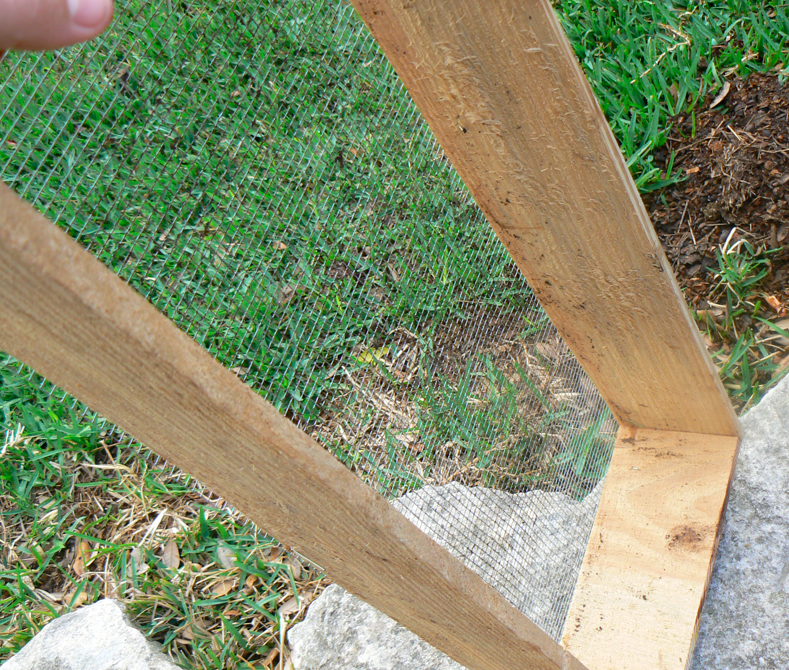
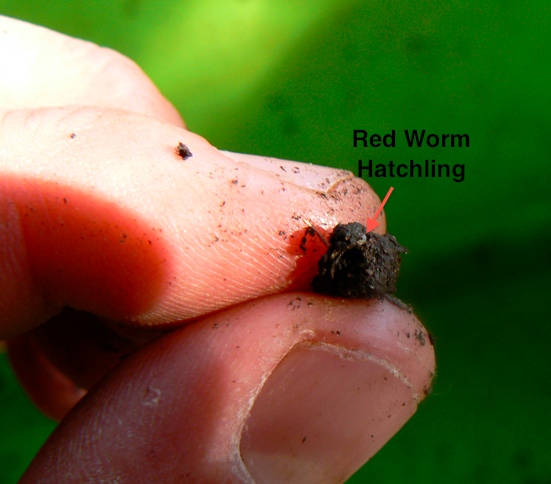
For large jobs of sifting worms from castings or compost I use my Texas Worm Harvester, but for smaller jobs I have built a small box sifter.  With some scrap materials,  and the left over 1/4 inch wire mesh I had I put together this sifter.  I have also seen where other worm farmers use 1/8 inch screen, for my use I have found the 1/4 inch to do just fine.  Separating worms from castings using this or the harvester method is the first step I take and removes most of the worms are course unprocessed organic matter.  I do spend time picking out tiny worms and eggs, but losing a few is not a big deal.  Here is a picture of a tiny hatchling that I found while harvesting castings.  As you can see, or maybe not, these little guys are hard to find.  This little thread of a worm was wiggling which made him easier to see.

Compost Tea Time

18 Mar

This afternoon I began brewing up about 70 gallons of compost tea with worm castings I recently harvested.  In about 12 hours my brew will be ready to apply to my plants and yard.  If you are in the San Antonio area, and can pick up, I’ll be giving a gallon of actively aerated vermicompost tea away with a TexasRedWorm.com purchase.  An application of compost tea will add life to your soil with beneficial micro organisms that will fight disease and pests, as well as, boost your plants growth.  Active aeration prevents harmful anaerobic bacteria and other non-beneficial microbial activity.  Applying compost tea within a few hours is best, after a few hours the brew begins to go anearobic.

Here’s a link for a recipe.

Be aware of store bought compost tea products claims that are sitting on the shelf.  These products will not be aerobic and will not contain many of the benefits (beneficial microbes that require Oxygen) that are associated with actively aerated compost tea.

Worm Castings: the Best Fertilizer for the Garden

16 Mar

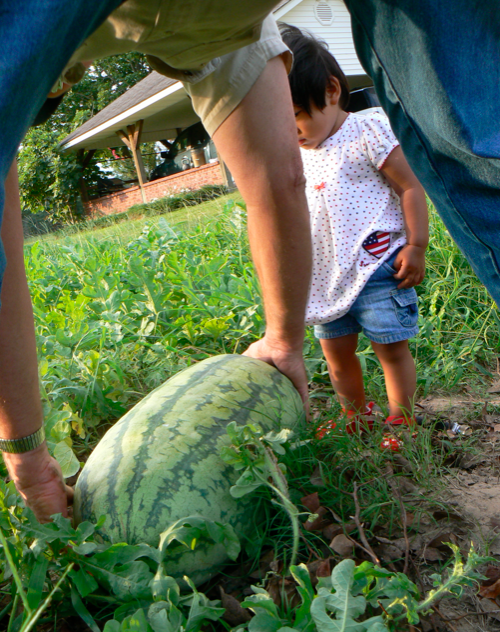
Spring time means it’s time to plant.  The whole family pitched in helping my parents with the garden. My niece and dad are pictured above planting the watermelons.  I supplied the worm castings, and a little hoeing to help out.

Worm castings are one of the benefits to raising your own worms.  Composting food waste with worms will give you your own organic fertilizer.  All natural fertilizer that strengthens roots of plants, improve disease resistance, and makes better tasting vegetables.  Check out these links for additional information and benefits from gardening with worm castings.

wormcompostingblog.com

wormsetc.com

tastefulgarden.com

We’ll be looking forward to some more tasty vegetables from the garden this year.

Texas Worm Harvester (part 4)

10 Mar

After several weeks and hundreds of pounds, I have made a few modifications to my worm harvester.  The first thing I did was replace the 1/2 inch hardware cloth w/ 1/4 inch screen throughout.  The 1/4 inch screen keeps the majority of the worms out of the catch tubs and sends most worms to the end bucket along w/ the larger sized material.  I still have to spend some time picking through the worm castings for eggs and baby worms.  Using this method I have been able to speed up the process of separating worms from castings considerably.

Another change I made was adding a scrap piece of particle board to the front end to make loading easier and to prevent back flow.  The only other modification was to tweak the angle slightly.  I have the end pieces bolted so that I can adjust the height, also I can add blocks underneath to change the level.

Girl Scouts of Southwest Texas Begin Worm Composting

25 Feb

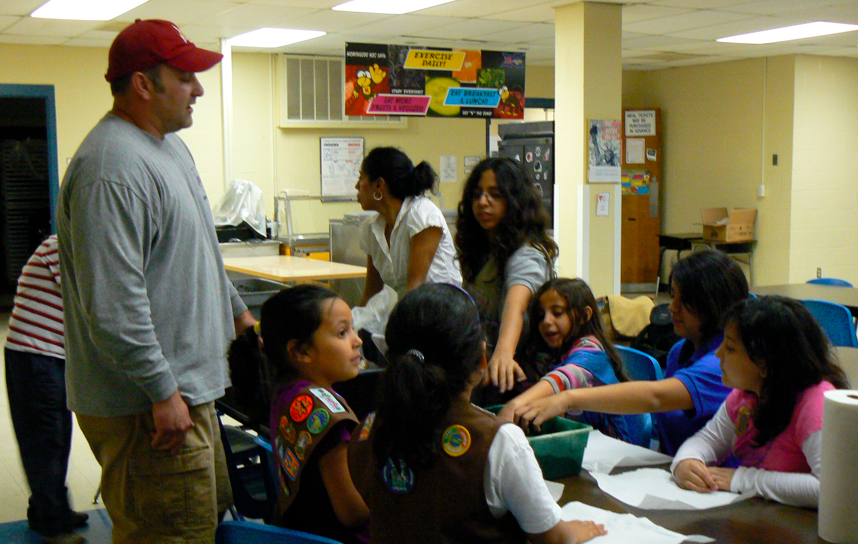
TexasRedWorms.com helped some San Antonio Girl Scouts get started composting with red worms.  The girls were very knowledgeable about the composting process, and were quick to get hands on with the worms and castings.  These scouts are working on badges, reducing waste, and making their homes and school better with worms.

Thanks to Magda Silva and the Girl Scouts of Southwest Texas!

Cold Hardiness of Worms

21 Feb

WIth temperatures dipping into the mid-20’s and a wind chill well below, I transported several pounds of red worms and european nightcrawlers in the back of a pick up from San Antonio through Houston to southeast Texas.  I knew it was going to get cold, but the forecast for San Antonio was way off.  When planning our trip, the most recent weather reports called for morning temperatures in the mid-50’s.  Thank God for the cold hardiness of these worms.  We finally reached our destination and the 6 hours the worms spent in small bins exposed to these temperatures I feared I would have lost many of the worms.  Temps. in bins dipped well below freezing.

Fortunately, both species (europeans and red wigglers) recovered just fine.  Even the smaller juvenile worms were actively working the next day, as I checked the bins and got them to 50F.

God bless these little guys who prove over and over their resilience in some less than ideal conditions.  I don’t recommend testing the limits, as I typically keep them fairly protected (indoors when possible, the garage, and worm beds several inches underground).

Keys to worm farming success.

14 Feb

A proper set up, and a little planning is all you need to be a successful worm farmer.  In no time you’ll be making more bins, and harvesting valuable castings for your soil and plants from garbage that your family produces.  Red worms are rapid breeders, and can lay an egg every 7 days.  Because they breed so fast in good conditions, focus on their environment, and you will have more worms than you know what to do with.  I started 4 years ago with a medium sized drink cup worth of worms that wasn’t even full.  I sputtered for a bit until I dialed in the right conditions for their bin.  Soon after I got it right and 1 bin became 2 and there is no telling how many worm beds and bins I have started.  So how many worms you start with is not important, but how you start is critical for success.

On another note, I harvested the castings from one of my starter (shoebox size) farms this weekend that I started on 11/28/10 with 10 eggs.  This experiment proved that a healthy bin will produce great results.

For first time worm farmers I recommend my starter farm $40 that will give you a headstart on producing castings and more worms than just purchasing a pound of worms. An established environment with reproducing worms from egg to adult, and will out produce a worm purchase alone.  Worm farming is easy, but you must get a few things right.  The right kind and amount of food, the right temperature, the right moisture, and the right amount of room.  BIns should mimic their natural environment, a cool, dark, moist space with decaying organic matter.

The TexasRedWorms.com starter farm in most cases,will need to be split in about a month.  Splitting bins when they grow out of their current one is important, because when conditions are right the only limit to the worms reproduction is space and available food.

I recommend keeping the starter bin as a breeding bin, and starting new bins from your harvest.  When you have a bin that is producing, you can then experiment with other set ups (larger bins, worm beds, pits, trenches, worm towers,and more) .

Have fun, and Happy Valentine’s Day.