Tag Archives: vermicomposting

Perfect time for Red Worming (Vermicomposting)

12 Nov

It’s always the right time to add compost to your soil, and always a great time to get started composting with Red Worms.  It’s Fall in Texas and the cooler weather is ideal for work outside and setting up your worm bed.

TexasRedWorms.com provides you the easiest way to start composting with Red Worms (vermicomposting) today.  Our shoebox sized Starter Farm provides everything you need to produce nutrient rich castings for your plants and soil, and a thriving breeding brood of red worms (eisenia foetida) nature’s best composter.

Check out our latest ad on Craigslist or just give us a call 210-310-5046.  If you are in the San Antonio or Livingston, TX area pick up can be arranged, or call for shipping information.
Red Worm Eggs

31 Oct

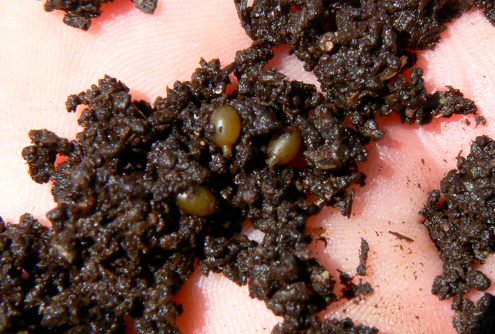
A Red Worm egg sac or cocoon can be laid every 7 days by a healthy mature red worm.  Red Worms can reach sexual maturity in about a month and a lifespan that can go into the early teens.  Red worms are hermaphoditic which means they both fertilize and lay eggs.  Eggs can have 4-30 baby red wigglers.

Keep your worms well but not over fed, moist environment, temps from 40F-80F, and in a quiet dark place and they will produce well for you.

What to feed red worms

30 Oct

(Eisenia Foetida) red worms also known as red wigglers, manure worms, brandling worms, and tiger worms are native to Europe and found naturally in decaying piles of leaves and manure. Their adaptability and heartiness allow them to thrive in various climates and bins. They prefer temperatures from 40F-80F and are terrific composters.

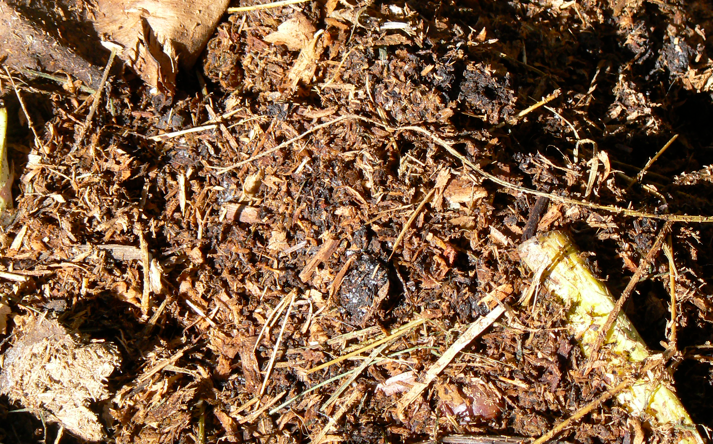
Vegetable and fruit scraps, herbivore manure, yard clippings, paper products, used coffee grounds, and egg shells round out what I use to feed my worms.  Avoid over heating worm bins caused by the composting process, and to speed up availability of bite sized food for the worms by feeding partially composted food scraps and manure.   I feed my red worms from my compost bins.  Variety and balance will keep your worms healthy and happy, and will ensure a balanced pH in your bins and will avoid worms trying to escape and other problems.

Scraps straight from the table can be added in small quantities to a section of an established bin when the worms have eaten through their previous feeding.  For beginners and new bins I recommend feeding less course or already broken down matter.