Tag Archives: vermicompost

Join us for worm composting and compost tea talk at the Alamo Heights Community Garden

16 Apr

Today Tuesday, April 16th, from 6-8pm at the Alamo Heights Community Garden Texas Red Worms will be with Green Spaces Alliance at 403 Ogden St.  Join us for instruction and discussion on worms, composting, and compost tea.

Screen Shot 2013-04-16 at 9.15.41 AM

What type of worm is right for you?

10 Oct

Earthworms have a couple of jobs, and depending on your goals you will need to decide what worm is best for you.  Earthworms feed on decaying organic matter and produce castings.  Worm castings (worm poop) is nitrogen rich, pH balanced, humous that is ready to be absorbed by plants roots immediately.  Earthworms are the intestines of the soil and are top soil producers.  Beyond soil production, their other job is to tunnel through the ground aerating and mixing the soil as they work.  Earthworms are also the “plow of the soil”  mixing layers of earth while they eat, tunnel, and deposit their castings. These tunnels allow oxygen and water to reach roots of plants and break up compacted soil for greater root penetration and growth.

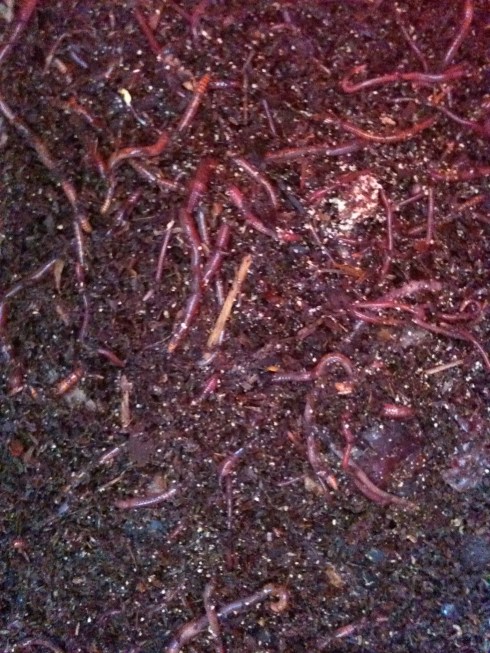
Red Worms (eisenia foteida) If your goal is composting and worm casting production, this prolific producer is your worm.  Well suited for bin raising, not a candidate for adding directly to soil.

European Nightcrawler (eisenia hortensis)  Larger worm that is an excellent for composting and fishing. Well suited for bin raising, not a candidate for adding directly to soil.

Alabama Jumper (amynthas corticis)  Large worm that is a powerful aerator.  Strong worm that is ideal for adding to garden or soil and can burrow deep in hard packed soil.  These worms are deep divers and do a great job of mixing layers of the soil, can be bin raised but are better suited for the soil.

Grow bigger healthier vegetables w/ worm castings

11 May

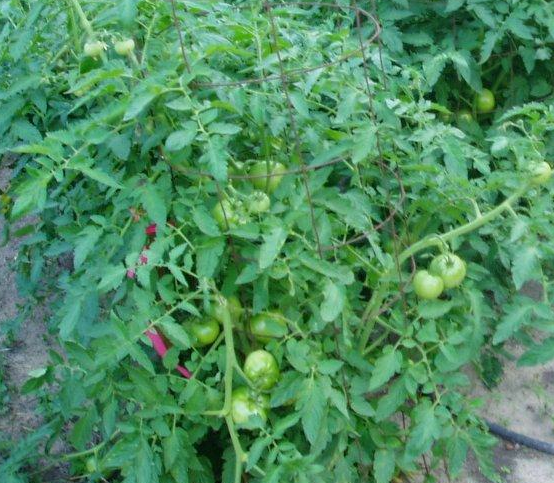
Last Spring was the first time my parents used worm castings exclusively to fertilize their garden.  My mom and dad claimed their best tomato crop they can remember. We used a handful of castings with each tomato seedling, and the results were terrific.  Even in one of the driest and hottest years on record, the taste, yield, and size of the tomatoes were outstanding.

Worm castings or earthworm manure is the best all natural fertilizer you can get.  Beyond Potassium and Nitrogen, worm castings are alive with beneficial microbes.  Beneficial bacteria, nematodes, and other tiny beneficials that will add life to plants and soil.  You can maximize your castings harvest by brewing compost tea.   You will need an aquarium pump, water, castings, and some unsulfured molasses to amplify the effects.  Worm castings are the only manure that can be directly absorbed by plants roots.  They are perfectly pH balanced and won’t burn up plants like other high in Nitrogen manures.

Flow Through Worm Bin part 1

22 Mar

I have tried several models of flow through systems and continue to tinker to get the results I’m looking for.  The idea is for the finished castings to fall through the grate at the bottom of the bin and the worms to work towards the top of the bin.

Materials: square metal tubing, plywood, braided cable, 1.5″ self tapping metal screws, small I beam we found for the base bar to mount winches, and 2 winches (one we salvaged and another from Tractor Supply @$20) for pulling each direction.

We welded a bar to slide along the bottom of the bin to agitate the castings through the grate.  I have tried other versions without the cutting bar, and castings tend to get clumpy and stuck.  Stay tuned for the big reveal when we add worms and a few finishing touches.

Bexar County Master Gardener event Feb. 16th 1pm-3pm

9 Feb
Master Gardeners spring gardening is almost here.  The stir of vegetable gardening and landscape rejuvenation is upon us.  Adding compost will be a big part of our chores.  Kyle Harrell will speak at our February meeting about enhancing your composting operation with a vigorous population of earth worms.  He will teach and show how increasing your worms improve your composting operation.  Our door prizes will include worm castings and tools to spread compost in your garden.  Mr. Harrell is seasoned speaker and worm farmer.  His presentations are tops on organics and composting.

The meeting is at the AgriLife Meeting room, 3355 Cherry ridge, Suite 208, San Antonio, TX 78230.  This is a 1:00pm to 3:00pm afternoon meeting.  A continuing education credit is earned for all Master Gardeners.  All gardeners and the public are invited.

Join Dr. Jerry Parsons, TexasRedWorms, and the Garden Volunteers of South Texas Jan. 23.

23 Jan

The Garden Volunteers of South Texas will be hosting their monthly “Essentials of Gardening”  from 12:15 – 3 PM tomorrow at the San Antonio Garden Center (3310 N. New Braunfels at Funston, next to the Botanical Garden.)  Dr. Jerry Parsons will be speaking first on year round garden planning.  I will follow him w/ a worm composting presentation.  Admission is free but a $5 donation is encouraged.  Come join us!

RedWorm Composting: Thanks for your participation this past weekend.

25 Jul

Thank you to all who came out to the San Antonio Botanical Garden this weekend.  I have included some links and attachments to dig a little deeper into some of the topics we covered on Saturday.
Worm Handout pdf

Links:

Care of worms- what to do when you get your worms.

Harnessing the Earthworm - by Thomas J. Barrett

Adding worms to your raised bed 

• In ground bin

Harvesting Worm Castings- My harvester

Compost Tea

Thanks again to all who participated and to Sasha Kodet and the San Antonio Botanical Garden.  Let me know if you have any questions, or if I can give you some feedback on your set up.

KyleHarrell@hotmail.com
210-310-5046
http://www.TexasRedWorms.com

Composting with Red Worms 10:00am this Saturday at the San Antonio Botanical Garden

20 Jul

Join TexasRedWorms.com at the San Antonio Botanical Garden this Saturday, July 23 at 10:00 am.  We will be teaching how to set up your own red worm composting bin, and how to compost with worms.  Learn how to turn your kitchen waste into rich worm castings that will condition the soil, and fertilize your plants naturally.

Composting with Red Worms

 10 am—noon. Start turning your waste into rich worm castings for your garden and plants. Red Worm composting from
TexasRedWorms.com will show you how to make your own worm bed and bin, how to feed, care for, and harvest your own steady supply of worm castings. Limit 30 participants. Fee: $20. To register, please contact Sasha Kodet at 210.207.3270 or sasha.kodet@sanantonio.gov.

Worm farming. Fun for the whole family.

27 May
 Thanks to Bryan in San Antonio for keeping us posted with all the cool worm composting projects he and his family have going.  
From Bryan:
     I wanted to up date you on how things are going with my worms. The worm tube in my planter seems to be functioning although managing the moisture level needs a bit more attention then I had expected. The high watering needs of the plants dictates that no extra moisture can be added to the tube, at lest for now. Like you said, you have to experiment. As you can see in the picture I had sent you earlier, I had placed a piece of panty hose over the top to keep out flies and other insects. A small number of gnats and ants have managed to get in. The worms in the tube are thriving and multiplying so that’s a good sign. Taking your advice of dividing the worms has helped to continue their rate of reproduction so much in that we have started our third bin two days ago, and probably have enough to start two more. We are all having a fun time of it.
    Soon after starting the first bin I decided to place two worms in a potted pineapple head that I had started. The soil in the pot had become hard and I wanted to see if adding some worms would help, and also if the worms would survive. After a little over a month, the soil is soft and the plants growth has accelerated and the new leafs look great. As of yesterday, we have started brewing worm tea in the typical fashion, 5 gal bucket, aquarium pump and aeration stones and molasses.
  The collecting of coffee grounds from Starbucks has begun, so far I have filled a new 30 gal trash can that I purchased at Wal Mart for around $10.00  about half way. We are also saving our egg shells as well as collecting them from a local bakery.  We use a blender, small food processor, and a mortar to grind them to a fine powder allowing for almost instant availability to the worms. I guess I’ve crossed over the sanity line somewhere.   I do have one question you might be able to answer?  Question* If compost worms i.e. red wigglers were thriving in a plant, flower or vegetable bed would they at some point start eating the roots of the plants?
     Looking forward to hearing from you soon your friend.
                                                                                           BRIAN
Wow.  You are a worm farming machine.  That is outstanding work.
 
I have some worms in some potted plants, as well.  There is a chance they could eat some of the roots.  Just keep adding organic matter so the worms will have plenty to eat.  Keep an eye on the plants health, and thin out the worms from time to time.  I think that kept in check the plants will benefit more from the worm castings than harm can be done.
Thanks for the update,
Kyle

Easy DIY In ground Worm Composting Bin

21 May

With a few minutes and fewer tools you can set up your own red worm composting system in any raised bed.

Materials:

Tin snips or box cutter

Plastic planter or bucket

Shovel or other digging tool

Stone or cover for the in ground bed

Worms

Find an old plastic planter and cut the bottom out.

Find a well drained spot that is protected from afternoon direct sun.  Dig a small hole big enough to bury the upside down container.  Add some shredded paper products and some compost.  Moisten your mix and add worms.  Cover w/ a paver or stone to keep out critters, and protect from elements.

Depending on the amount of worms, a handful of kitchen scraps every week or so will be plenty to start.  As your worms grow and reproduce they will require more frequent feedings.  Do not over feed.  Be patient and when the food is processed by the worms, add a few more kitchen scraps.  Keep an eye on moisture.  If kept out of direct sunlight, the food scraps will usually provide enough moisture for your worms.  Worms like it wet because they breathe through their skin, but will drown in standing water.

Follow

Get every new post delivered to your Inbox.