Archive | RedWorm Farming Tips RSS feed for this section

Red worm reproduction.

8 Sep

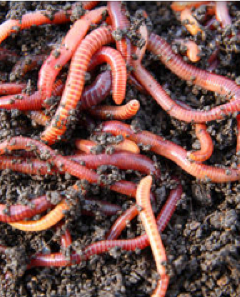
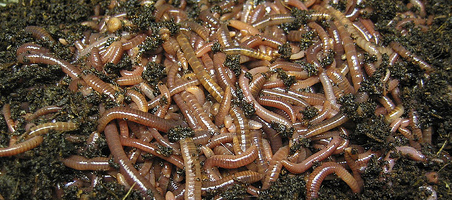
A happy and healthy worm bin produces lots and lots of worms.  Red worms can reproduce quickly laying an egg sac or cocoon every 7-8 days.  Each egg sac can produce 3-20 hatchlings who reach sexual maturity in two months with a lifespan of up to 15 years!  A healthy red worm population can double in a hurry.

Keeping a happy worm bin means the right amount of food (not overfeeding).  The right amount of moisture– moist but not wet (wrung out sponge).  The right temperature, and the right pH.  If your bin is too acidic add some crushed egg shells to balance.

Raising red worms is a fun and easy way to recycle, compost food waste.  With a little practice and seeing how your worms respond, you will be raising lots of red worms in no time.

Why are all my worms at the top of the bin?

10 Aug

I had someone ask the other day about why there worms were lined up at the top of their bin?

Worms should be dispersed throughout your bin when conditions are right.  So chances are there might be an issue with your bin if you see this.  Red worms like it moist, but don’t drown them.  If the bin is outdoors make sure the soil is well draining, and that rain will not collect.  Temperature is the other big factor in my experience.  See The right temperature for worms for more info.

For an in depth look at the 3 rights of worm farming check out this link.

10 minute Red Worm Setup

28 Jul

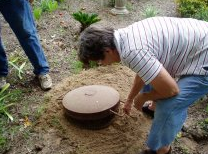
We had some local customers ask me to come help set up their worm bed.  I delivered the worms and helped them set up their own worm bed in about 10 minutes.  We found a nice spot in one of their flower beds, grabbed a plastic pot, some post hole diggers, and went to work.  I dug a hole large enough to bury the pot, placed the pot inside with the bottom cut out, put the worms in with bedding and food, and placed the lid on top.  This took about ten minutes and now Dave and Patty have their own TexasWormFarm.com worm bed.

Can I keep my worms indoors?

24 Jul

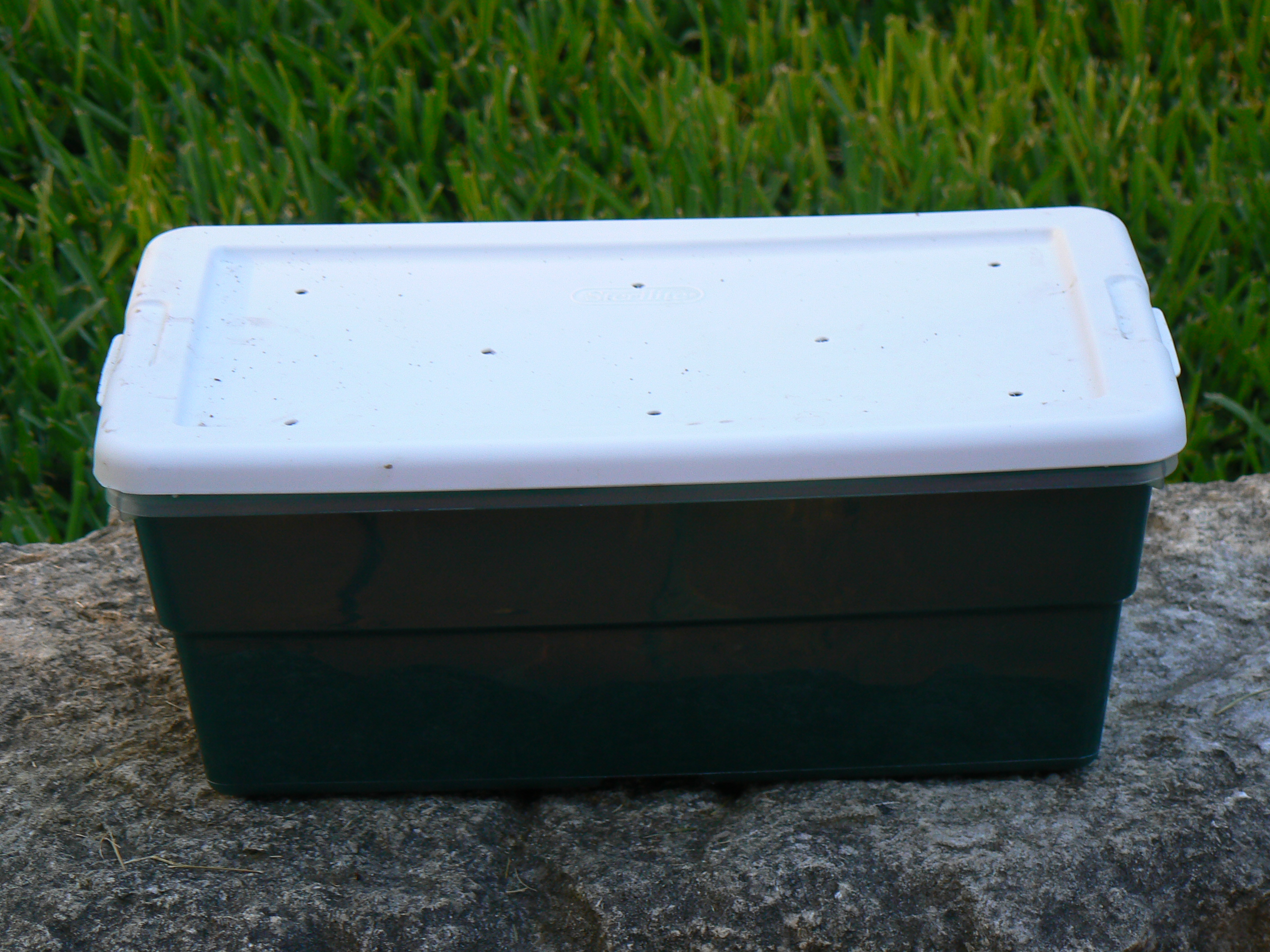
Bins are fine indoors, and the starter “shoe box” size is great for under the sink.  It’s odorless, bugless, and great for putting your table scraps right in.  I keep some in large rubbermaid tubs in a bathtub that is rarely used hidden by the shower curtain. As long as my wife doesn’t see, the little fellas are welcome inside.  Shhhh! don’t tell my wife.

To keep them “bug free”  or at least to keep the fruit flies away simply drape an old sheet over your bins.  This won’t restrict airflow, and will keep the fruit flies out.

If you are feeding properly, not overfeeding, it will smell like sweet earth or at least be contained in your bin.  Overfeeding can be remedied by simply taking some food out, or adding shredded cardboard or paper products.

DIY outdoor worm farm

17 Jul

A shady flower bed in well drained soil is a terrific place for a submerged bucket or flower pot bin to make your very own worm bed or pit.  Take a bucket or flower pot and and dig a hole deep enough for at least 1/2 to be underground.  Turn your pot or bucket upside down and cut a hole in the top to feed worms and harvest castings.  Your red wigglers will be able to stay cool in the Summer and warm in the Winter.

This bin was started a year ago and has been outstanding.  This bed made it through one of the coldest Texas Winters I can remember with temperatures hitting the mid teens on a couple of occasions.  I pulled the stone covering the top in early Spring, and was pleasantly surprised to see tons of baby red worms going to work.

Your flower bed will benefit from the castings deposited by your worms, and the leachate or run off will provide nitrogen rich nutrients as well.   The cover helps to protect worms from the elements, and helps keep the bin from drying out.  Send pictures of your worm bins, and share your ideas harrellindustries@gmail.com

Used coffee grounds for compost and worm food.

16 Jul

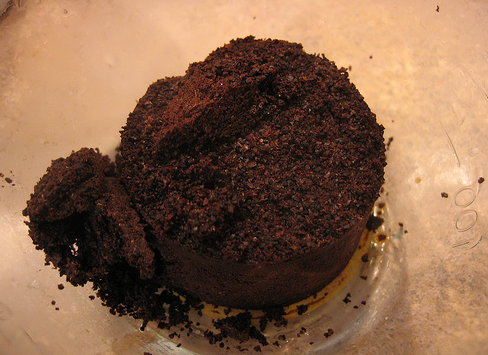
Along with our families food waste, horse and cow manure, I have been adding a fair amount of used coffee grounds to my compost piles and red worm beds.  For the past several weeks I have been stopping off at some local coffee shops for their used coffee grounds.  Concerned about the acidity level of the used coffee grounds I did a little research, and found out that the acid is water soluble and mostly removed in the brewing process.  What is left is close to neutral on the pH scale and a great source of Nitrogen for your plants, compost, or worms.

For more information on how to use coffee grounds for compost and fertilizer check out Ground to Ground.

The right temperature for red worms.

13 Jul

Is it too hot or too cold to raise worms where you live?  Red wigglers are hearty critters, but do need the right temperature, moisture, and food.

Red worms (Eisenia Fetida) do best in temperatures between 55-77 degrees Fahrenheit, but can survive from 40-80 degrees F.  Outside worm bins are subject to the elements and sometimes much more extreme temperatures in Summer and Winter.  To remedy this a worm pit is an effective way to combat these extreme temperatures.  The underground temperature holds a more constant temperature.  Thermal inertia means that below ground temps. stay cooler that air temps. in Summer and warmer in the Winter.

I have built worm pits outdoors in South and East Texas, and they have done very well.  A worm pit can be a simple worm bed that is dug several inches underground in a shady spot with a protective cover, or by placing a plastic pot or bucket halfway or more into the ground to keep out of the elements.

I keep several smaller bins indoors.  Plastic containers make terrific worm bins, and can be kept odor free, and bug free indoors.  You can purchase starter farms that are set up w/ bedding, food, castings, and hundreds of worms from TexasRedWorms.com.

Red Worm Farm

21 Jun

A fun easy way to reduce waste and turn your thumb green is by composting with Red Worms. $40 gets you your own red wiggler worm farm. Includes bin, castings, red worms, and food. All you have to do is add your table scraps, shredded newspaper, and watch the worms do the rest. Red wigglers turn food wasted into castings and vermicompost tea for your plants, yard, and garden, and bait.

Red Worm Farming Tips

21 Jun

Red Worm Farming tips:

•Keep farm in a dark place or all day shade if outside.

•Add bedding (shredded newspaper/cardboard) to eliminate smell, and soak up moisture and prevent mold and fungus.

•Keep worms moist 60%-80% (food scraps will usually provide enough moisture).

•Every few months, harvest the castings for plants and excess worms to start a new bin for yourself or a friend.

•Happy worms will churn through waste and be prolific breeders. Eggs sacs, juveniles, and mature adults will be present.

•Worms are hardy critters, but need to be protected from extreme temperatures and sunlight. 40F-80F

•Feed worms eggshells, cardboard, paper, fruit and vegetable scraps, coffee grounds, yard clippings, aged cow, chicken, rabbit, or horse manure.

•Avoid feeding worms dairy, meat, grease, dog or cat feces.