Let the Compost Tea Party begin. The holes in our mesh bags were too large, and we were concerned that our sprayer might get clogged. We grabbed some old panty hose and stuffed our bags into them.
We brewed up our first batch for about 24 hours. It had a nice weak tea color and had a hint of earthy smell. (I pulled out my old Sears microscope that I got for Christmas in ’85, but figured X600 would not be quite powerful enough to see any microbes.) The first batch went well and was applied at a rate of 15 gallons per acre.
The next batch that is brewing right now. This batch will brew for 36 hours.
Bins are fine indoors, and the starter “shoe box” size is great for under the sink. It’s odorless, bugless, and great for putting your table scraps right in. I keep some in large rubbermaid tubs in a bathtub that is rarely used hidden by the shower curtain. As long as my wife doesn’t see, the little fellas are welcome inside. Shhhh! don’t tell my wife.
To keep them “bug free” or at least to keep the fruit flies away simply drape an old sheet over your bins. This won’t restrict airflow, and will keep the fruit flies out.
If you are feeding properly, not overfeeding, it will smell like sweet earth or at least be contained in your bin. Overfeeding can be remedied by simply taking some food out, or adding shredded cardboard or paper products.
Brewing a 5 gallon batch of compost tea is no trouble. In a couple of weeks I will kick it up a notch and be brewing up 500 gallons at a time.
We purchased a 500 gallon spray rig from Rozell Sprayer Manufacturing Co. in Tyler, TX this Spring. In order to add beneficial microbes to our hay fields and pasture, I’m going to replace the water soluble fertilizer with compost tea. I don’t have enough compost to spread over 100+ acres, so compost tea is the solution.
I just ordered my aquascape 4-stone pond aerator today, and this is what I will use to aerate my tea to ensure it stays aerobic. Most of the beneficial bacteria are aerobic and will need plenty of O2. To keep the ratio of finished compost to water the same as a 5 gallon brew (1 lb. -1.5 lbs. per 5 gallon) I am going to need 100 -150 lbs. of compost and some larger mesh bags. I am planning on using onion sacks for my tea bags.
Stay tuned for more information on TexasRedWorms.com “Big Time- 500 gallon Worm Compost Tea Party”
A shady flower bed in well drained soil is a terrific place for a submerged bucket or flower pot bin to make your very own worm bed or pit. Take a bucket or flower pot and and dig a hole deep enough for at least 1/2 to be underground. Turn your pot or bucket upside down and cut a hole in the top to feed worms and harvest castings. Your red wigglers will be able to stay cool in the Summer and warm in the Winter.
This bin was started a year ago and has been outstanding. This bed made it through one of the coldest Texas Winters I can remember with temperatures hitting the mid teens on a couple of occasions. I pulled the stone covering the top in early Spring, and was pleasantly surprised to see tons of baby red worms going to work.
Your flower bed will benefit from the castings deposited by your worms, and the leachate or run off will provide nitrogen rich nutrients as well. The cover helps to protect worms from the elements, and helps keep the bin from drying out. Send pictures of your worm bins, and share your ideas harrellindustries@gmail.com
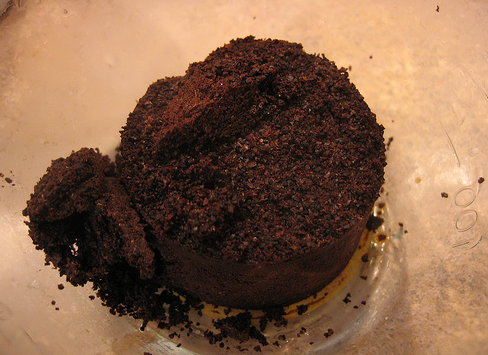
Along with our families food waste, horse and cow manure, I have been adding a fair amount of used coffee grounds to my compost piles and red worm beds. For the past several weeks I have been stopping off at some local coffee shops for their used coffee grounds. Concerned about the acidity level of the used coffee grounds I did a little research, and found out that the acid is water soluble and mostly removed in the brewing process. What is left is close to neutral on the pH scale and a great source of Nitrogen for your plants, compost, or worms.
For more information on how to use coffee grounds for compost and fertilizer check out Ground to Ground.
Sweet freedom. I post this today thankful for the air I breath and that justice was served. Link below describes my narrow escape from heading up the river.
Red worms (Eisenia Fetida) do best in temperatures between 55-77 degrees Fahrenheit, but can survive from 40-80 degrees F. Outside worm bins are subject to the elements and sometimes much more extreme temperatures in Summer and Winter. To remedy this a worm pit is an effective way to combat these extreme temperatures. The underground temperature holds a more constant temperature. Thermal inertia means that below ground temps. stay cooler that air temps. in Summer and warmer in the Winter.
I have built worm pits outdoors in South and East Texas, and they have done very well. A worm pit can be a simple worm bed that is dug several inches underground in a shady spot with a protective cover, or by placing a plastic pot or bucket halfway or more into the ground to keep out of the elements.
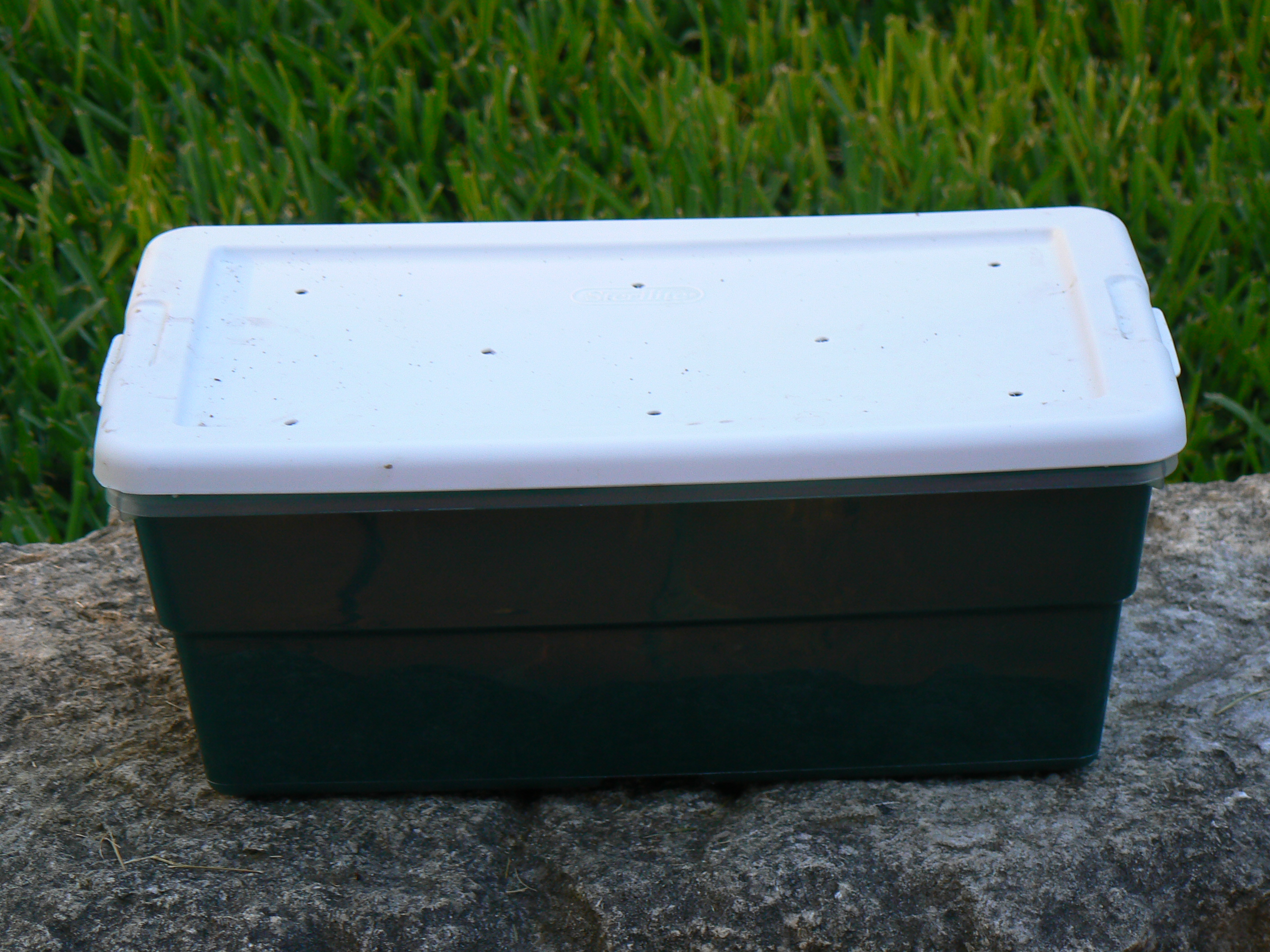
I keep several smaller bins indoors. Plastic containers make terrific worm bins, and can be kept odor free, and bug free indoors. You can purchase starter farms that are set up w/ bedding, food, castings, and hundreds of worms from TexasRedWorms.com.
Another use for getting the most out of your worm castings or compost pile is making Tea. Compost or Vermicompost (Worm Castings) Tea. are tremendous for adding life to plants and soils. Microbes (beneficial bacteria, fungi, nematodes, and other micro-organisms) allows the soil to become “alive” restoring balance that increases disease resistance, reduces water consumption, and produce healthier plants. Eliminate the need for commercial fertilizers and pesticides. The beneficial microbes in Compost Tea will enable your soil to naturally regulate itself.
Compost or Vermicompost Leachate is often times confused as Tea. The leachate is the run off or drippings from your worm bin or compost pile. Worm or compost leachate is beneficial to plants and has fertilizing goodies like phosphates and nitrogen, but is not Tea. Tea is brewed over a period of time. The brewing process is in most recipes is where a compost and some molasses are added to non-chlorinated water and is aerated for a period of time. The Compost is placed in the water in a porous bag to steep.
Aeration is important in the brewing process to give Oxygen for microbes to grow and reproduce. Keeping your brew aerobic is important for producing a bumper crop of beneficial micro-organisms. To provide aeration to your home brew an aquarium pump, air stones, and tubing can be purchased for around $15. Know that purchasing bottled worm tea or other compost tea products is not going to be aerobic and therefore will not have near the amount of living microbes as a tea that is applied within a few hours of aeration.
Feeding the bacteria, fungi, and protozoa is also important for an optimal brew. Molasses or brown sugar are used to feed bacteria while alfalfa and grass clippings can be added to feed fungi and protozoa. There are an unlimited number of recipes for Compost Tea, and is much an art as a science.
Bruce Dueley does a good job of describing how to make your own for under $30.
A California worm farmer is facing $100,000 in fines from the state of CA for selling unregistered pesticides? He is currently challenging the fine and the hearing is set for July of this year. Thank God I live in Texas.
A fun easy way to reduce waste and turn your thumb green is by composting with Red Worms. $40 gets you your own red wiggler worm farm. Includes bin, castings, red worms, and food. All you have to do is add your table scraps, shredded newspaper, and watch the worms do the rest. Red wigglers turn food wasted into castings and vermicompost tea for your plants, yard, and garden, and bait.
This week we provided Texas Jumpers and set up bins at the Houston Zoo. There is no shortage of worm food and the kids visiting will soon get to see some Texas Red Worms “Texas Jumpers” up close. With the Houston heat, we decided Texas Jumpers would be the best choice for their location and […]
For a several days I had noticed my rugs pulled back and could tell some critter was rooting around in my worm beds. To figure out just what we were dealing with, my daughter and I set up our game cam to catch the rascal in the act. It was not a huge surprise after […]
Oh the good ‘ol days when a couple of dimes would get you something. Unfortunately we can’t give you this deal, but we’ve got some great Jumpers, Euros, and Red worms available for your fishing trip or enhancing your soil. Thanks to Uncle Corky and Sheryl for sending this great picture they found.
Here’s another example of a raised bed for worms. It’s next to the house and gets full shade. It’s next to a spicket for easy access to water and/or drip irrigation. I used some landscaping blocks to construct the borders and filled it with compost. After adding a Tx Jumper Starter, I cut a piece […]
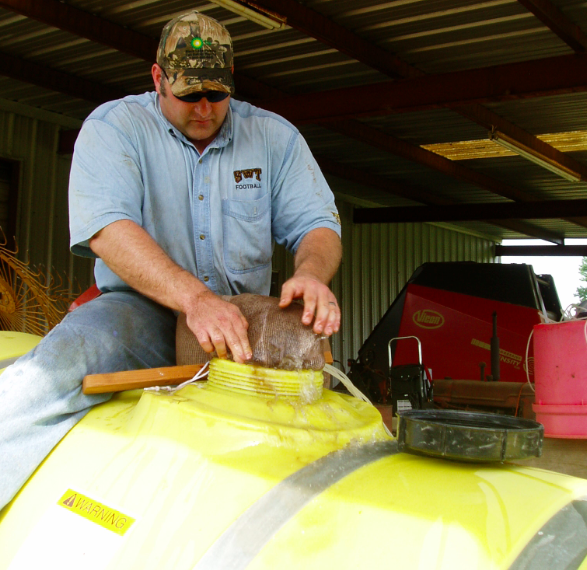 Let the Compost Tea Party begin. The holes in our mesh bags were too large, and we were concerned that our sprayer might get clogged. We grabbed some old panty hose and stuffed our bags into them.




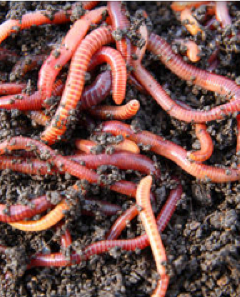
 Texas Jumpers