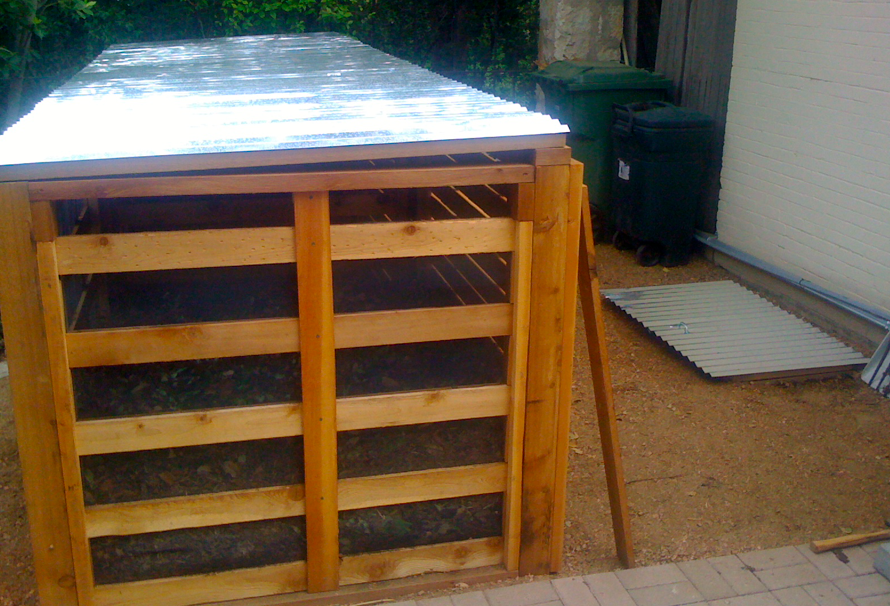
Due to a lack of morning or afternoon sun, I had a difficult time growing anything in this flower bed. What began about three years ago as a compost pile would be converted into a worm pit.
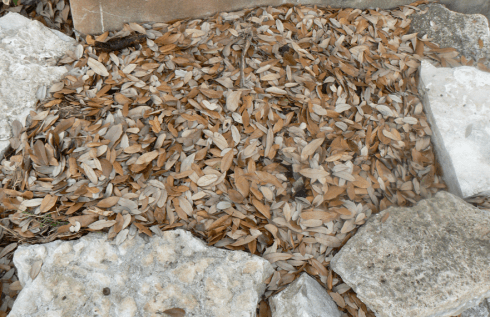
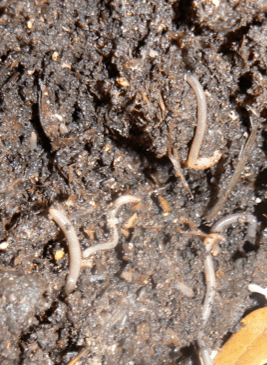
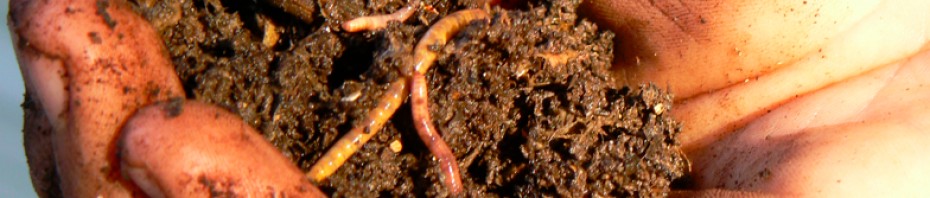
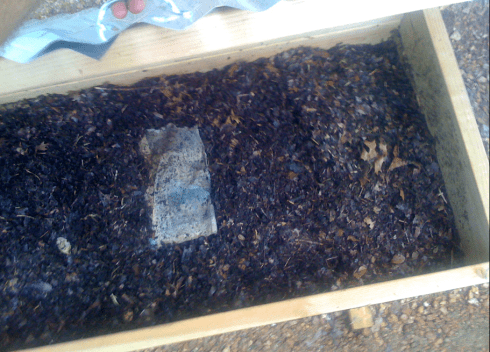
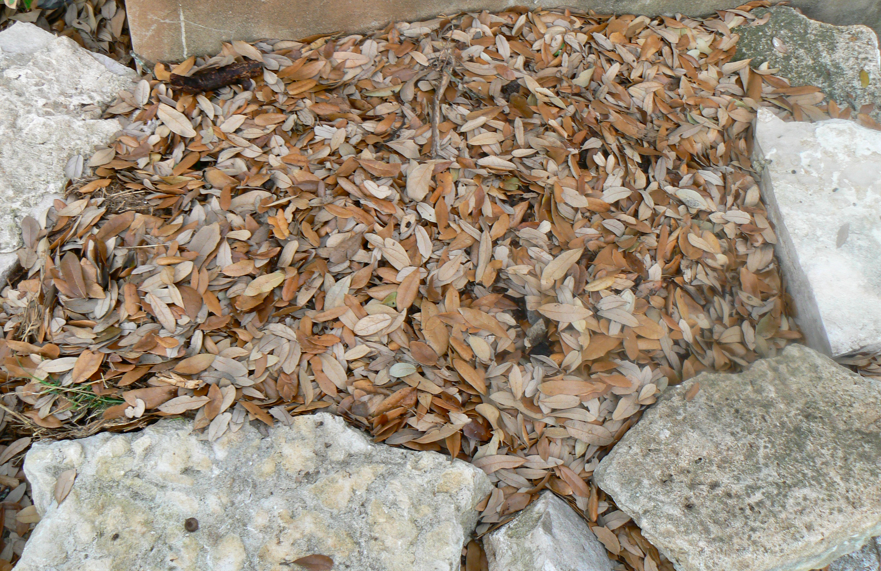
First, I dug out some of the existing soil that was mostly clay and caliche (rock). I dug out about 18″ and began filling w/ organic matter. I began adding coffee grounds, horse and cow manure, grass clippings, leaves, and other vegetable waste. I didn’t add worms until about this time last year. Adding the worms at this point, gave the organic matter plenty of time to break down, and provide a rich environment for the worms. The worms have flourished and every handful yields a good many worms. I have continued to add compost material, and water as needed to keep the bed moist. Over the last month or so, the live oaks have given us a ton of leaves, and I have added them to the top layer as a mulch. You can use newspaper, hay, or other kinds of mulch to keep the worm bed from drying out. A layer of mulch will also keep the worms cool in the summer and warm in the winter. This particular worm pit I am raising Alabama Jumpers, but is suitable for other species, red worms, European nightcrawlers, and African nightcrawlers.
Tags: buy red worms, compost, composting, diy worm bin, eisenia foetida, houston red worms, make your own worm bed, organic fertilizer, organic gardening, outdoor worm pit, raising red worms, red wigglers, red worm farming, red worm farming tips, red worms, red worms for sale in houston, red worms for sale in texas, reduce your waste, san antonio red worms, texas red worms, texas worm farm, vermicompost, vermiculture, worm pit






 Texas Jumpers