Tag Archives: red worms

Compost tea benefits: Get rid of termites, fleas, ticks, chiggers, and more naturally.

10 Oct

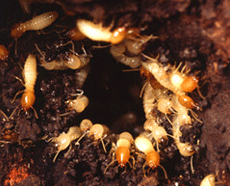
This weekend I took a visit to East Texas to work on some of our worm beds.  While loading manure from some piles to start a new worm bed, I noticed some termites in some fence posts, as well as, some fire ant mounds.  I have had success with compost tea applications before in controlling ants, grubs, and fleas.  So I started a small batch of tea with finished compost and some redworm castings.  I also did a little research to see if anyone had had any experience with termites and found this article.  Microbes like nematodes and bacteria can be amplified with a quality finished compost and brewed into actively aerated compost tea. Beneficial predators that can control and eliminate many pests.  So if you have a roach, ant, flea, tick, grub, cigger, termite or other problem chances are actively aerated compost tea can come to the rescue.

Compost “Sweet” Tea

1 Oct

I started brewing a batch yesterday afternoon of actively aerated red worm compost tea (red worm castings, unsulphured molasses, and rain water).

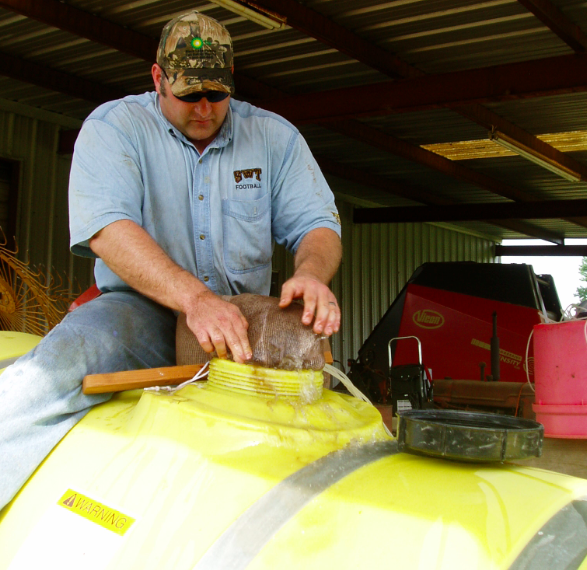
I have collected about 15-20 gallons of rain water to use over the last month or so.  Rain water, well water,  or water from other natural sources are the best choices to be used in your compost tea.  Tap water should be left out in the sun for a day or so to eliminate Chlorine. Next, I harvested some castings from my worms.  I use a mesh laundry bag for my tea bag.  Compost can be added to the water or steeped with a bag.  The tea bag eliminates the need to strain before putting in your sprayer.

Aeration- I’ve got a pond aerator pumping into the brew to supply plenty of O2 supporting beneficial microbial growth.

To make is “sweet” compost tea, I’ve added some unsulphured molasses to feed the beneficial bacteria.

This batch will be ready this afternoon.  I’ll put the finished product into a pump sprayer and apply to my plants.  It’s that easy to add beneficial microbes and add “life” to plants and soil.  Compost tea applications will reduce water consumption by plants, and add balance back to your yard and plants.  Beneficial microbes (bacteria, protozoa, fungi, and nematodes) can eliminate the need to aerate your lawn, the use of pesticides, and commercial fertilizer.

I will need about 5 gallons or a third for my use, and will be glad to share the rest.  I’ll be giving a gallon away with any worm purchase this weekend.  First come first serve.

Fish, Chicken, and Red Wigglers

15 Sep

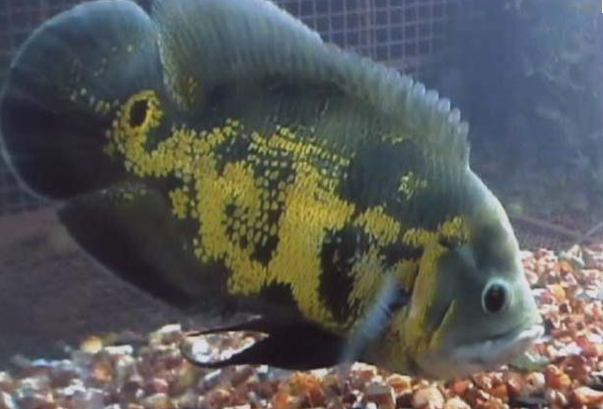
The main attraction for red worms is composting.  Red worms are also popular as bait for fishing, and as food for your pets.  Yes, feeding your cichlids (aquarium fish), bearded dragons, and other reptiles can benefit from your red wigglers.  They are prolific and can save pet lovers frequent trips to the pet store to buy food for pets.

A red worm farm is a natural choice to compliment your chicken farm.  Worms will flourish with the chicken litter and everyone knows chicken love to eat worms. Feed prices are going through the roof, and supplementing red worms in your egg layers’ diet can benefit your birds and pocket.

Red worm reproduction.

8 Sep

A happy and healthy worm bin produces lots and lots of worms.  Red worms can reproduce quickly laying an egg sac or cocoon every 7-8 days.  Each egg sac can produce 3-20 hatchlings who reach sexual maturity in two months with a lifespan of up to 15 years!  A healthy red worm population can double in a hurry.

Keeping a happy worm bin means the right amount of food (not overfeeding).  The right amount of moisture– moist but not wet (wrung out sponge).  The right temperature, and the right pH.  If your bin is too acidic add some crushed egg shells to balance.

Raising red worms is a fun and easy way to recycle, compost food waste.  With a little practice and seeing how your worms respond, you will be raising lots of red worms in no time.

Compost tea results

16 Aug

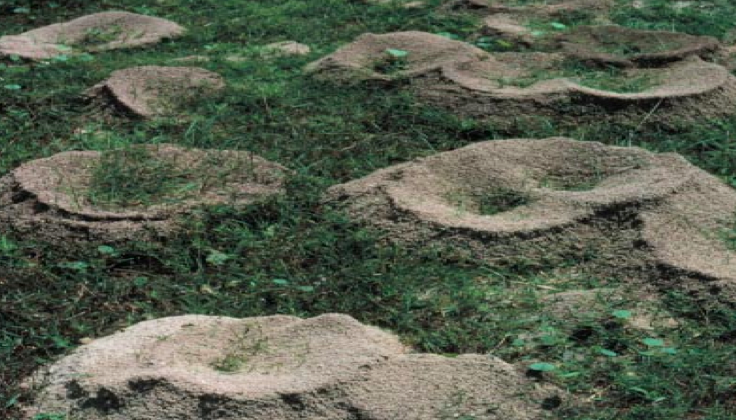
I had mentioned in my previous post that positive indicator for my compost tea application was to rid a section of our hay patch of ants.  The spot of concern has been infested for a few years with “town ants” or Texas leaf cutter ants.  Town ant hills were sprinkled throughout a 20 yard X 20 yard area.  The operative word being “were” because two weeks later the ant hills are vacant.

Beneficial microbes in compost tea are parasites to ants, fire ants, fleas, ticks, and chiggers.  I had had success in my lawn in getting rid of some of these pests with compost tea, but never on this scale.  This alone is encouragement enough for us to continue compost tea applications, and we’re looking forward to the next batch.

Why are all my worms at the top of the bin?

10 Aug

I had someone ask the other day about why there worms were lined up at the top of their bin?

Worms should be dispersed throughout your bin when conditions are right.  So chances are there might be an issue with your bin if you see this.  Red worms like it moist, but don’t drown them.  If the bin is outdoors make sure the soil is well draining, and that rain will not collect.  Temperature is the other big factor in my experience.  See The right temperature for worms for more info.

For an in depth look at the 3 rights of worm farming check out this link.

10 minute Red Worm Setup

28 Jul

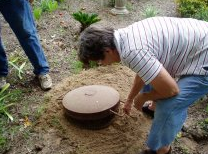
We had some local customers ask me to come help set up their worm bed.  I delivered the worms and helped them set up their own worm bed in about 10 minutes.  We found a nice spot in one of their flower beds, grabbed a plastic pot, some post hole diggers, and went to work.  I dug a hole large enough to bury the pot, placed the pot inside with the bottom cut out, put the worms in with bedding and food, and placed the lid on top.  This took about ten minutes and now Dave and Patty have their own TexasWormFarm.com worm bed.

500 gallon Compost Tea Party part 2

27 Jul

Let the Compost Tea Party begin.  The holes in our mesh bags were too large, and we were concerned that our sprayer might get clogged.  We grabbed some old panty hose and stuffed our bags into them.

We brewed up our first batch for about 24 hours.  It had a nice weak tea color and had a hint of earthy smell.  (I pulled out my old Sears microscope that I got for Christmas in ’85, but figured X600 would not be quite powerful enough to see any microbes.) The first batch went well and was applied at a rate of 15 gallons per acre.

The next batch that is brewing right now.  This batch will brew for 36 hours.

500 gallon Worm Compost Tea Party

18 Jul

Brewing a 5 gallon batch of compost tea is no trouble.  In a couple of weeks I will kick it up a notch and be brewing up 500 gallons at a time.

We purchased a 500 gallon spray rig from Rozell Sprayer Manufacturing Co. in Tyler, TX this Spring.  In order to add beneficial microbes to our hay fields and pasture, I’m going to replace the water soluble fertilizer with compost tea.  I don’t have enough compost to spread over 100+ acres, so compost tea is the solution.

I just ordered my aquascape 4-stone pond aerator today, and this is what I will use to aerate my tea to ensure it stays aerobic.  Most of the beneficial bacteria are aerobic and will need plenty of O2.  To keep the ratio of finished compost to water the same as a 5 gallon brew (1 lb. -1.5 lbs. per 5 gallon)  I am going to need 100 -150 lbs. of compost and some larger mesh bags.   I am planning on using onion sacks for my tea bags.

Stay tuned for more information on TexasRedWorms.com “Big Time- 500 gallon Worm Compost Tea Party”

Used coffee grounds for compost and worm food.

16 Jul

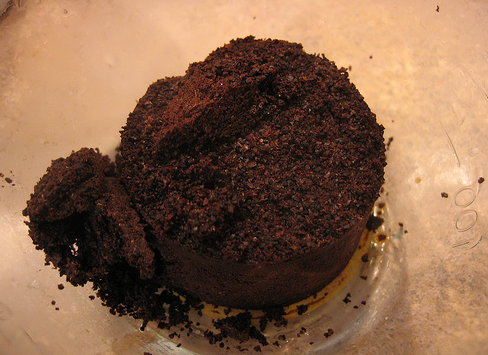
Along with our families food waste, horse and cow manure, I have been adding a fair amount of used coffee grounds to my compost piles and red worm beds.  For the past several weeks I have been stopping off at some local coffee shops for their used coffee grounds.  Concerned about the acidity level of the used coffee grounds I did a little research, and found out that the acid is water soluble and mostly removed in the brewing process.  What is left is close to neutral on the pH scale and a great source of Nitrogen for your plants, compost, or worms.

For more information on how to use coffee grounds for compost and fertilizer check out Ground to Ground.