Earthworms in my compost bin

17 Jan

In San Antonio, the last week has been pretty chilly for us.  Lows below freezing and highs in the 40s- and 50s.

The rain let up Sunday afternoon, and I slipped outside to feed my worms and turn the compost pile.

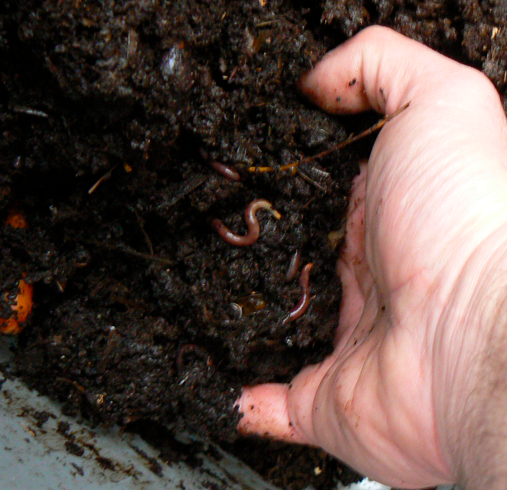
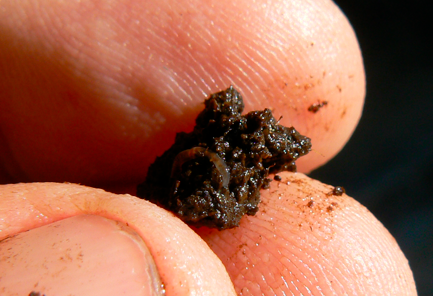
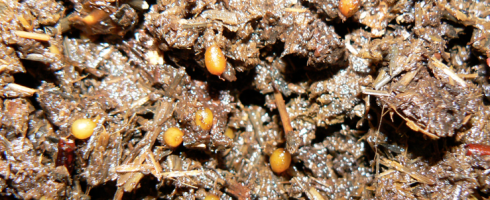
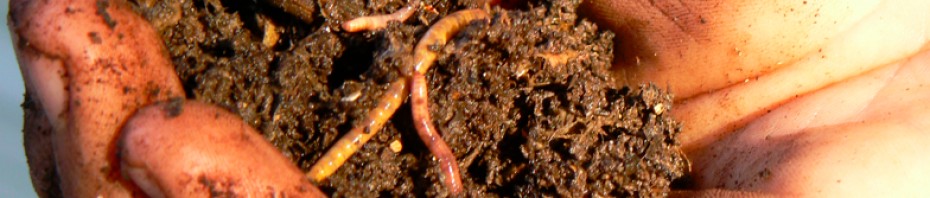
Interesting find.  I feed my worms a combination of composted horse/cow manure, vegetable scraps, and coffee grounds from my compost bin and piles.  Above is a picture of one of my compost bins where I found hundreds of tiny earthworms.  Temperatures in a compost pile can reach upwards of 150 F, therefore usually too hot for worms.  The freezing temperatures and rain have cooled things down, and have attracted hundreds of earth worms.  The moisture and cool air have provided the right conditions to hatch some eggs.

Earthworms or European night crawlers are what you will find in your yard.  They eat and break down organic matter  in the ground.  Depositing beneficial castings as they burrow through the soil, aerating and fertilizing along the way.

San Antonio Botanical Garden

13 Jan

Thanks to Sasha Kodet and the San Antonio Botanical Garden for referring TexasRedWorms.com.

The San Antonio Botanical Garden will be hosting several workshops this Spring through NEISD Community Education for kids and adults. 2011 Spring Calendar

The Botanical Garden is a great place to take the kids for a fun and learning.  My mother in law loves the Texas Native Trail.

Texas Native Trail

The Native Texas Trail is a unique aspect of the San Antonio Botanical Garden. This area consists of plant communities characteristic of the Hill Country (Edwards Plateau), East Texas Piney Woods, and South Texas. These three distinctive and diverse ecological regions of Texas vary in soil, plant life, topography, and weather. The authentic botanical setting is enhanced by several early Texas houses, which have been reconstructed on the site to help illustrate and interpret the regional theme.

Best Meyer Lemons yet w/ Worm Castings

8 Jan

Better yields, better tasting fruits and vegetables are the result when you fertilize w/ red worm castings. Worm castings contain loads of calcium, phosphorus, nitrogen, and potassium.  Other micro and macro nutrients are present that support and develop superior root structure, to plants fertilized w/ commercial fertilizer.  Even though highly concentrated, worm castings will never burn plants like synthetic fertilizers can.  Benefits of fertilizing with worm castings include healthier plants, healthier fruits and vegetables, and cost savings.

10 red worm egg experiment update

6 Jan

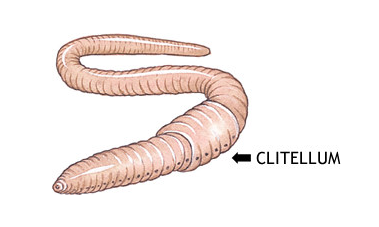
I decided to check in on a bin I had set up with only 10 red worm eggs, November 28, 2010.  To my surprise, I found several worms quickly, and the largest was this 3.5″ monster pictured above.  There was a visible clitellum, which means they have reached sexual maturity.

Red Worms will usually reach reproductive maturity in 2-3 months. Red Worms are hermaphroditic, and come equipped with both male and female reproductive organs.

This little experiment is proving out that your starting number of red worms is less important than providing the right environment for your worms.

Temperature: 40F-80F

Moisture: Damp but not wet- think of a wrung out sponge

Feeding: Simulate their natural environment (manure piles, decaying leaf piles) Feed in one part of bin when food is gone.  Worm food includes: vegetable scraps, egg shells, coffee grounds, herbivore manure.

Baby Texas Red Worm

4 Jan

It’s January in Texas and temperatures are right for red worm cocoons to hatch.  Temperatures will dip just below freezing at night on occasion, but right now it’s 60F.  Red worms will do fine from 40F-80F.  Mine are kept at a pretty constant 60F this time of year, and they are doing wonderful. I snapped this picture early this morning as I peeked under the lid of one of my starter farms.

Flow through Worm Bin

3 Jan

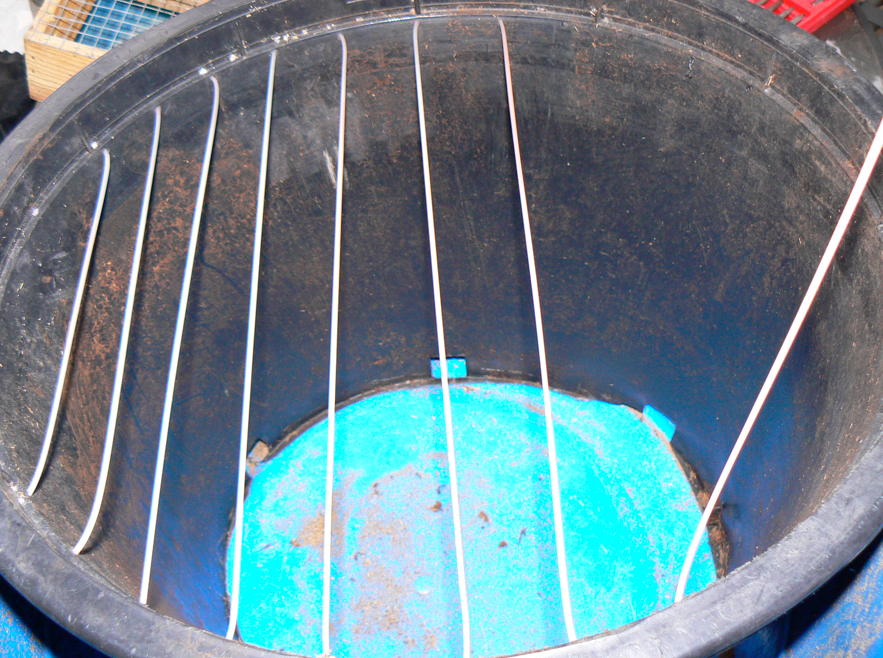
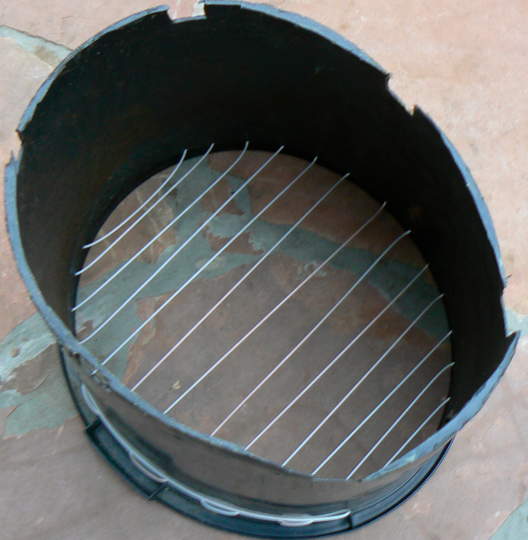
Inspired by Bruce’s flow through worm bin design at wormcompostingblog.com, and Cassandra Truax’s podcast interview w/ “worm dude” Jerry Gach.  I had some plastic buckets laying around, and decided to build a couple for myself.

I cut out the hole w/ tin snips.

Holes were spaced 1.5″ apart to thread weed eater line through using a 1/8″ drill bit.

The first layer (6 sheets of damp newspaper).

Next, I added some red worms, and layered some partially finished compost for bedding.

I will add food scraps to the top and cover with some cardboard.  The idea is that in a few weeks the worms will continue to work their way to the top and the finished vermicompost will flow through the weed eater line to be harvested from the bottom of the bin.

The Greenest Gift. What to get a gardener for Christmas.

19 Dec
Red Worm Farm complete system. The perfect Christmas gift for your favorite gardener. Red Worms will turn kitchen waste into rich fertilizer for plants and soil.

Save money, reduce waste, your plants water consumption, and produce the best fertilizer available by composting household waste with red worms. Texas Red Worms provides you with the ultimate gardening and composting system. Our shoebox sized starter farm is a perfect no hassle, no smell way to turn wastes into valuable castings for compost tea and fertilizer for your plants and soil.

Red wiggler worm farm $40, includes everything you need (bin, castings, hundreds of red worms, and food). Pictured below, shoe box size, about 5 lbs.

Red worms and castings about 2.5 lbs. $25

Get started reducing your waste today. Delivery available. Farms are located in San Antonio and Livingston, TX

210-310-5046

4 redworm experiment

15 Dec

Inspired by Bentley Christie’s 4 worm experiment where his 5 1/2 month experiment with 4 mature worms rendered 12 adults and 94 juveniles.  I began a similar experiment of 2 bins with 4 worms and my normal bedding.

11-14-10 I set up up two starter bins w/ bedding and 4 mature red worms.

12-5-10 Three weeks into the experiment I did a pretty good count in one of the bins and was able to find the 4 original worms and 4 juveniles.  I was also able to find a few cocoons.  I could have easily missed counting due to the small size of juvenile worms .

From everything I can gather a mature worm can produce an egg sac every 7 days, and reach sexual maturity in 60-90 days. The two main variables I would like some data on are:
1) time it takes a cocoon to hatch?
2) number of worms in cocoon?
I have read cocoons can hatch 3-30 baby worms, and assume healthier worms in ideal conditions will hatch more.  Accurate numbers will require accurate counting, and isolating variables.

I recognize that calling this an “experiment” is a bit of a stretch but wanted to see what would happen.

Baby Red Worm

4 Dec

In harvesting some red worm castings for my lemon trees and herbs I came across this new born red worm.  This little fella will grow rapidly in the next week and should reach sexual maturity in 60-90 days.  At this point, a healthy red wiggler can produce an egg every 7 days for the remainder of their life.  Red worms have been known to live for 15 years.

10 red worm egg experiment

3 Dec


Last week, as an experiment  I stocked  a starter bin with bedding and 10 red worm cocoons or egg sacs.  I would love to be able to see the little rascals hatch, but as you will see in the next post, counting these little critters can be pretty difficult.  Stay tuned.