Kyle
Help. I’m losing my worms.
21 MayBelow is a question I received via email, and thought I would share it.
Question from reader:
I have a problem with my worms and was wondering if you can help. I recently purchased a worm composter manufactured by Tumbleweed called Can-O-Worms. It has two working trays that have holes in them to allow worms to migrate upwards and also allows liquid to filter down into a collector tray. I have discovered that a lot of my red worms are dropping down into the collector tray and then dying. I also am finding several worms dying in the working tray (their bodies look as though they have been pinched). Have you ever heard of this? Is this a design flaw of my composter? I am very interested in worm composting and would welcome your advice.
TexasRedWorms.com :
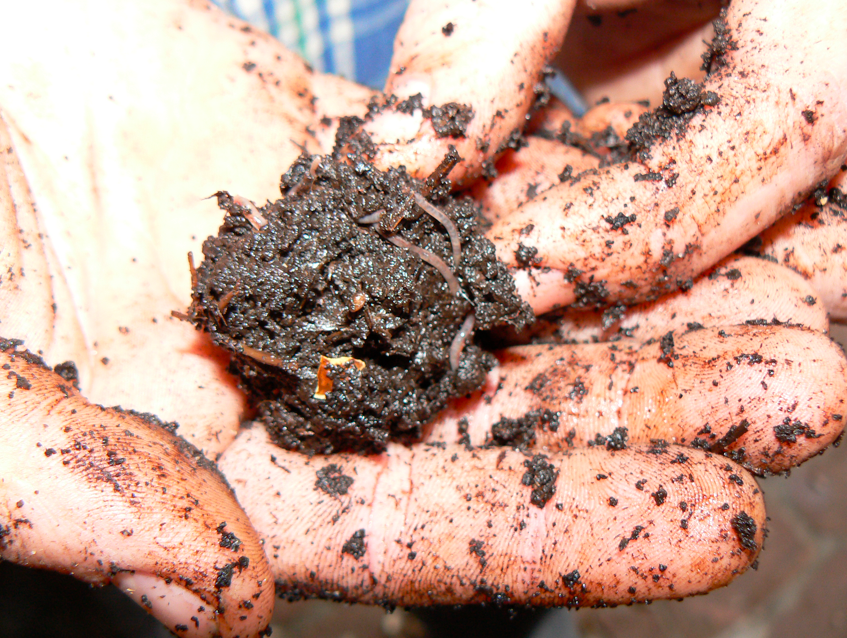
I’m happy to try and help. You only have a problem if you are losing more than a few. It’s normal to lose a four or five every once in awhile, in the bottom tray. You’ll usually have a few curious worms, and they are highly sensitive to barometric pressure.
The pinching is not something I’m familiar with. The only predators are centipedes and moles. If you do suspect a predator, diatomaceous earth can be added to your bedding. This is safe for you and the worms but will kill insects and Arthropoda. You can find it in most garden sections, be sure and stay away from pool grade. The pool grade is too fine and can be ingested and can be dangerous. If your losses are more than a few, I might need some more info. What, how much, and how often are you feeding? Temp of bin? Is it too wet? What other critters do you see in your bin?
From reader: Thanks for your rapid response. After reading your email I immediately went out and cleaned the collector tray. I counted about 18 dead worms. Today (two days later) I only found 2 dead and one alive. I was pleasantly surprised with the few numbers. Maybe things are stabilizing. I’ll keep you updated. I can only assume that the pinching I talked about is caused by the worm trying to squeeze through a hole much smaller than it can manage. I have found worms pinched in half on the surface with guts exposed and bleeding. At one point I was wondering if maybe I caused these injuries by scratching the surface to see how the worms were doing. Are they so delicate that I should not be probing the bed? Maybe these last couple of days by leaving them alone is the result of the few casualties. But then I wonder how is it possible for your worms to survive the tumbling action of your worm harvester? As for centipedes, I don’t know. I haven’t seen any. I started this worm composter about two weeks ago. So far I have only fed the worms the original coir bedding, lettuce, banana peels and coffee grounds. Today at 3:00 PM the temperature of the bed is 70F. The instructions of the bin calls for flushing the bed once a week with a pail of water. Since the water freely drains into the collector tray I didn’t think things could get too wet. What is too wet? Thanks again for all your input,
TexasRedWorms.com :
Good, those numbers are more like it. 2 rather than 18.
The worms should not be pinching themselves trying to squeeze, and are
not going to get killed by you scratching the surface. The only thing
I can think of on the pinching front, is if you might by accident be
clipping them with the tray? They can also be gripping when the tray
is pulled off and be getting pulled apart. I am pretty gentle when
pulling them out of the screen. They wrap up and coil to hang on, I
will have to unwrap them sometimes because they will hold on tight.
The weekly flush I’m not familiar with? Why do they want you to flush
it? The flush could have sent some of the 18 worms to a watery grave.
Holes can get stopped up with castings, real wet bins get real fudgy.
Too wet will clog drainage holes and make harvesting more difficult.
Hang in there, we’ll get you rolling, and it will be a breeze.
Easy DIY In ground Worm Composting Bin
21 MayWith a few minutes and fewer tools you can set up your own red worm composting system in any raised bed.
Materials:
Tin snips or box cutter
Plastic planter or bucket
Shovel or other digging tool
Stone or cover for the in ground bed
Find an old plastic planter and cut the bottom out.
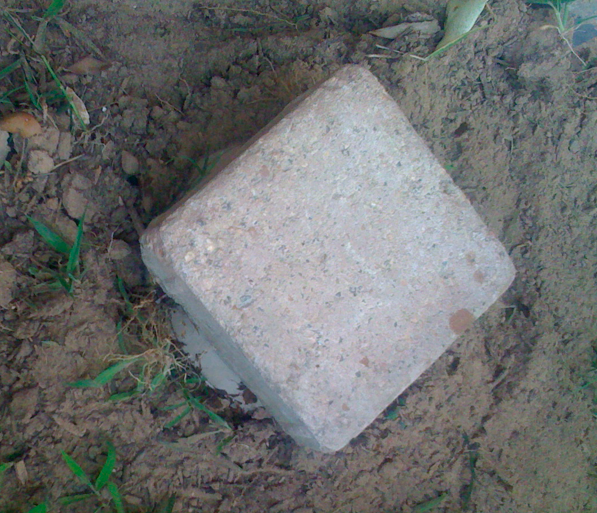
Find a well drained spot that is protected from afternoon direct sun. Dig a small hole big enough to bury the upside down container. Add some shredded paper products and some compost. Moisten your mix and add worms. Cover w/ a paver or stone to keep out critters, and protect from elements.
Depending on the amount of worms, a handful of kitchen scraps every week or so will be plenty to start. As your worms grow and reproduce they will require more frequent feedings. Do not over feed. Be patient and when the food is processed by the worms, add a few more kitchen scraps. Keep an eye on moisture. If kept out of direct sunlight, the food scraps will usually provide enough moisture for your worms. Worms like it wet because they breathe through their skin, but will drown in standing water.
Red Worms vs. Nightcrawlers for Composting. What’s the Difference?
15 MayRed Worms (Eisenia fetida), European Nightcrawlers (Eisenia hortensis), and African Nightcrawlers (Eudrillus eugeniae), are all excellent composters. These worms vary in size, w/ Red Worms being the smallest and possibly the least picky. Red Worms ease of care and ability to handle a wide range of temperatures make them a popular composting worm.
European and African Nightcrawlers are larger worms. European Nightcrawlers are popular w/ fisherman, due to size. You’ll find their larger cousin (Canadian Nightcrawler) in bait shops, as well. European Nightcrawlers can be used for composting, but thought to be less efficient than Red Wigglers or African Nightcrawlers.
African Nightcrawlers are a tropical worm that thrive in warmer climates, need to be kept in temperatures above 70F and will start to die off at 60F. They are the choice for many commercial worm casting producers that have access to climate controlled facilities. All three species or varieties can be prolific in the right conditions, and make excellent composting worms.
TexasRedWorms.com teaches Polk County 4th grade students about worm composting
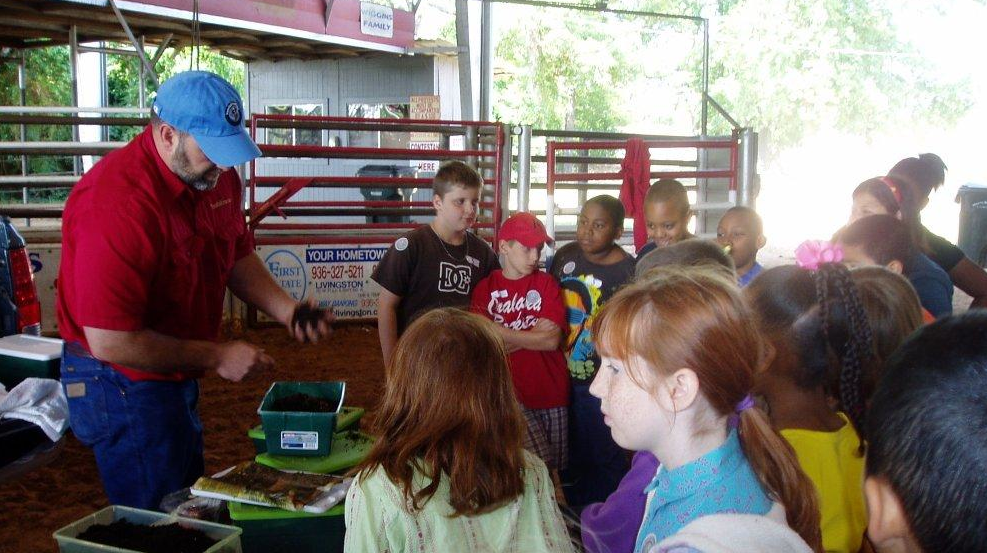
11 MayTexasRedWorms.com spent last Thursday with 4th grade students from Polk County schools teaching them about the benefits of raising worms and composting. Worm composting helps reduce waste that would go to the landfill. Worms aerate and fertilize the soil with castings that are a perfect natural fertilizer.
The annual event sponsored by Polk County Farm Bureau is held at the fair grounds in Livingston where several local farmers and ag professionals teach students about careers and the importance of agriculture in the community.
Students got to see a sawmill in production, tractors, and other farm equipment, as well as, livestock. Students get a first hand look at how food gets to their table, and products are made. Texas Farm Bureau sponsor’s these events state wide at the County level.
Garden Gift for Mother’s Day
6 MayI got my mom some Alabama Jumpers to add to her yard and to the pasture. Alabama Jumpers, or in this case Texas Jumpers, are not composting worms like the red wiggler or red worm. They are great for aerating and powering through tough clay or sandy soils. The ideal worm to set in your garden or lawn to fertilize and aerate your soil. These worms are strong tunnelers and will eventually spread out into your tough soil giving roots of plants room to grow. Introducing Texas “Alabama” Jumpers is easy and can be done in a matter of minutes. You can purchase Jumpers from TexasRedWorms.com and have them shipped to you or come on by to see our beds and bins.
DIY Worm Trough
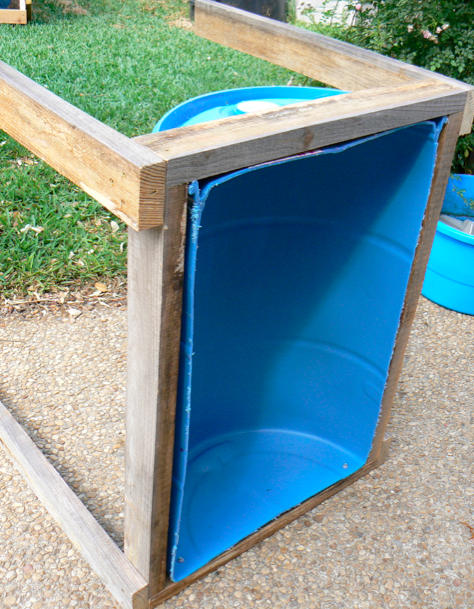
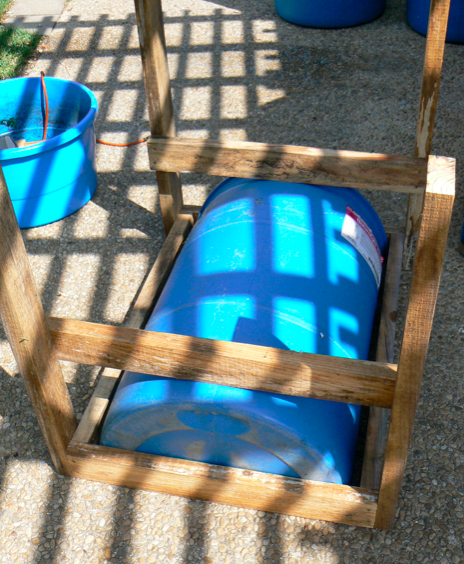
28 AprI had been thinking of building a feed trough style worm bed for some time. I found some plastic 55 gallon drums on Craigslist. My dad had some pine 2X4s cut from his saw mill, and we were in business. We began by cutting the 55 gallon plastic drums in half w/ a skill saw.
Materials: (2X4s, plastic 55 gallon drums, 3 inch wood screws, roofing screws, Thompson’s water seal)
Add Alabama Jumpers, Red Worms to your soil or raised bed.
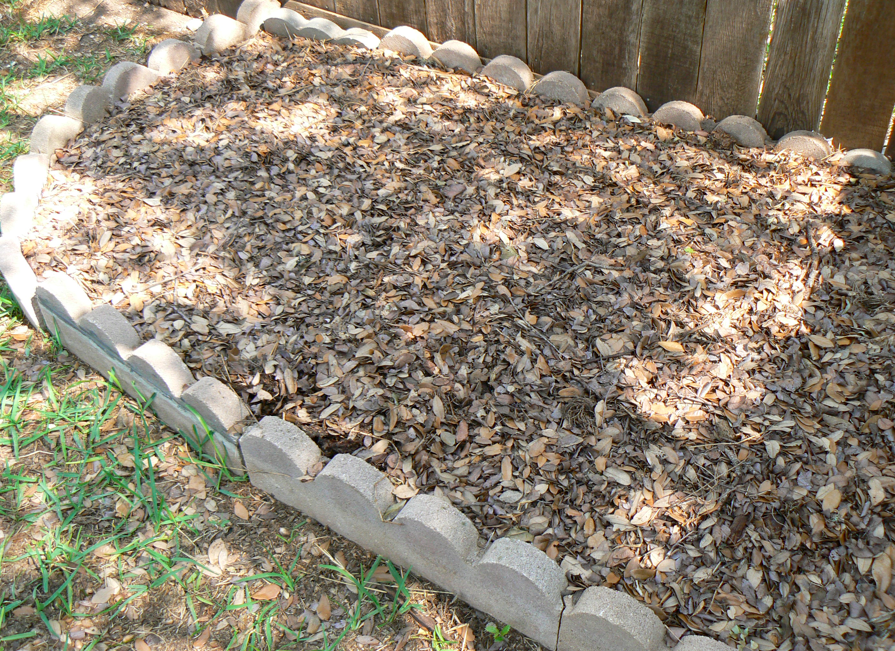
19 AprWhen your worm order arrives here is one way to add them to your garden, raised bed, soil. Your TexasRedWorms.com farm is a great place to raise your worms, but soon you will need to harvest the worms in order to make room for more. You can use all or a portion of your worms. In this example I am adding a box of Alabama Jumpers or as I like to refer to them “Texas Jumpers” to a raised bed I have prepared.
1. Choose a location preferably a shady spot that you can keep somewhat moist. If you are adding to a full sun area be sure to cover with a few inches of mulching material to protect from the sun and to retain moisture. Leaves, newspaper, straw will work fine. Morning or evening are the best time to add your worms.
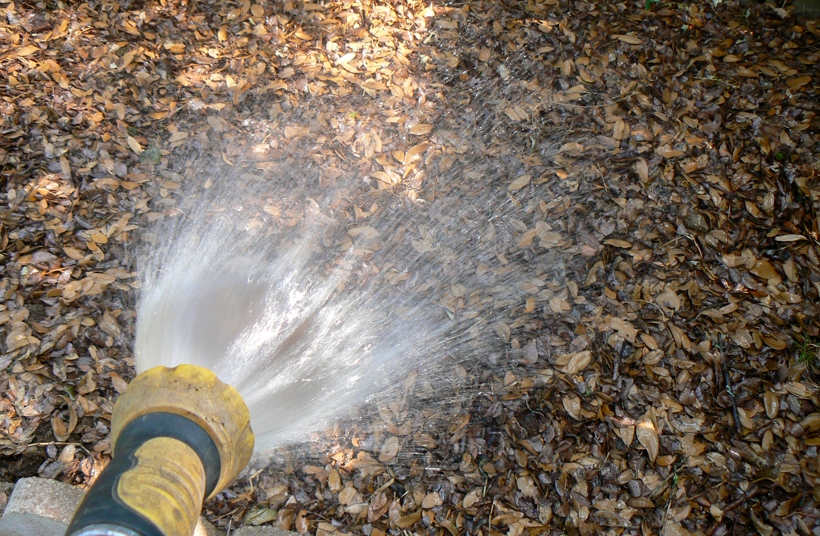
2. Pre-wet the area you have chosen to prepare a nice moist environment for your worms to settle in.
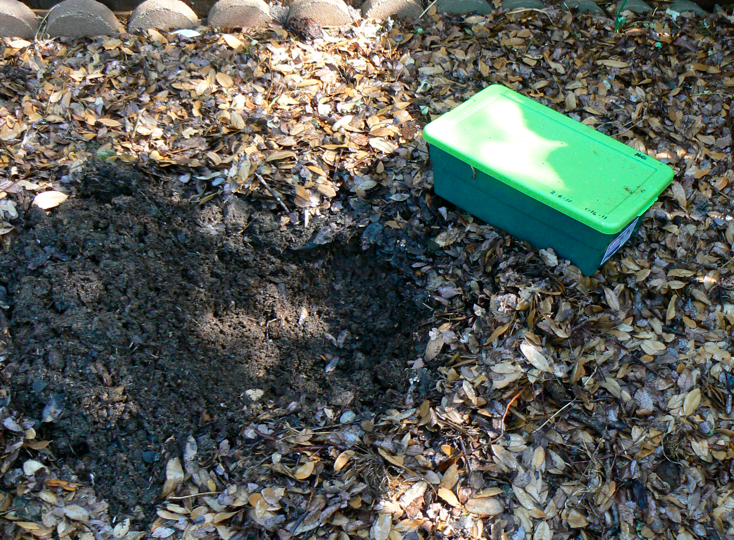
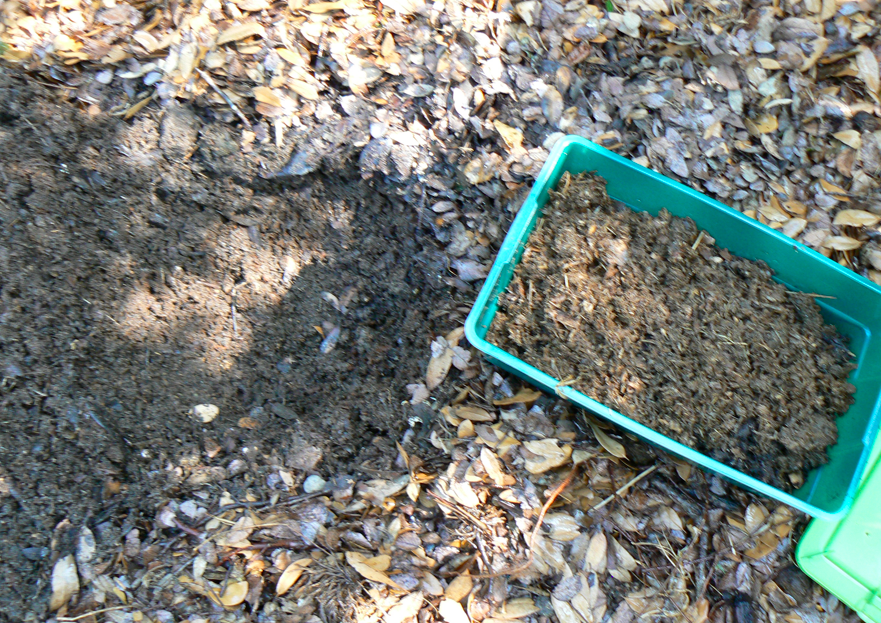
3. You will need to dig a small hole about the size and depth of the box or container of your worms and contents.
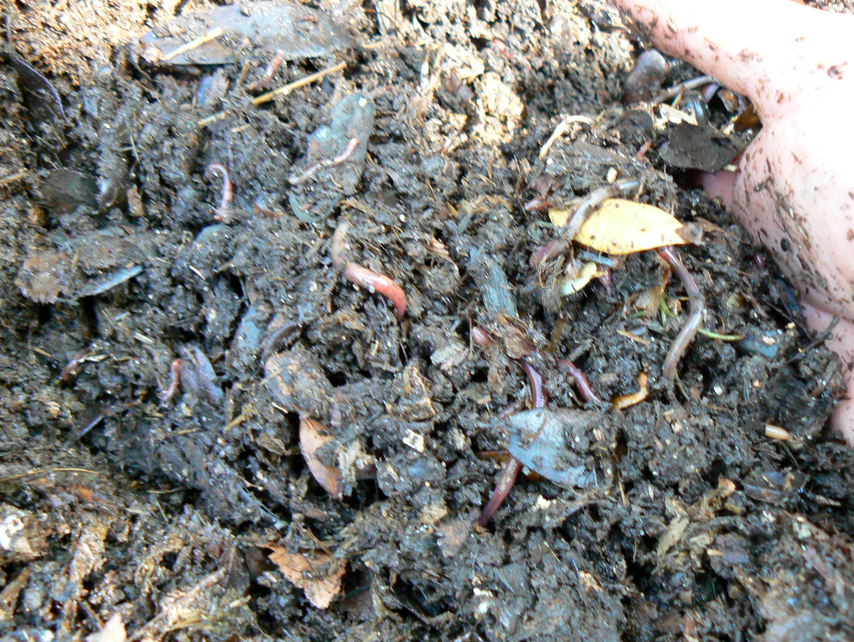
4. Empty contents worms and compost into the hole.
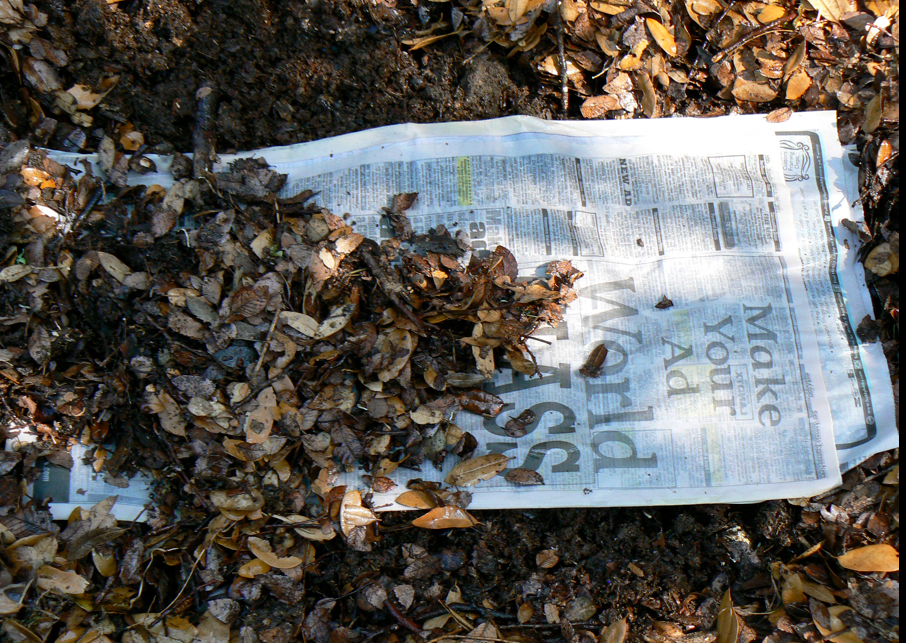
5. Cover with a section of wet newspaper. This will keep the worms cool and protected from drying out giving them an opportunity to settle in to their new home. The Alabama Jumpers will eventually spread out on their own. Red Worms and European Nightcrawlers will stay were they are fed and are not going to spread like the tunneling Jumpers. In the event you are adding Red Worms or European Nightcrawlers you will add a handful of kitchen scraps to the same location you placed your worms every few days. As your worm population grows you will learn how often to feed based on how fast they work through the organic material. The Alabama Jumpers are great for aerating and fertilizing the soil. Red Worms and European Nightcrawlers are better composting worms.
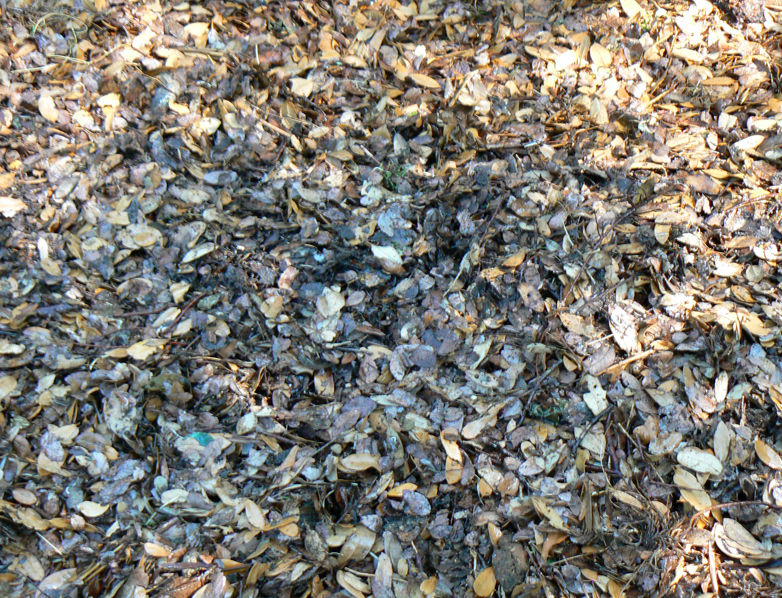
For added protection I covered the newspaper with some leaves. This method is one I have used with success, I have included some other similar worm bed set up links I have used. Have fun and send us ideas. Let us know if you have any questions.
Worm Tubes, Worm Pit, Outdoor Worm Bed, Flow Through Worm Bin.