Tag Archives: eisenia foetida

Add Alabama Jumpers, Red Worms to your soil or raised bed.

19 Apr

When your worm order arrives here is one way to add them to your garden, raised bed, soil.  Your TexasRedWorms.com farm is a great place to raise your worms, but soon you will need to harvest the worms in order to make room for more.  You can use all or a portion of your worms.  In this example I am adding a box of Alabama Jumpers or as I like to refer to them “Texas Jumpers” to a raised bed I have prepared.

1. Choose a location preferably a shady spot that you can keep somewhat moist.  If you are adding to a full sun area be sure to cover with a few inches of mulching material to protect from the sun and to retain moisture. Leaves, newspaper, straw will work fine.  Morning or evening are the best time to add your worms.
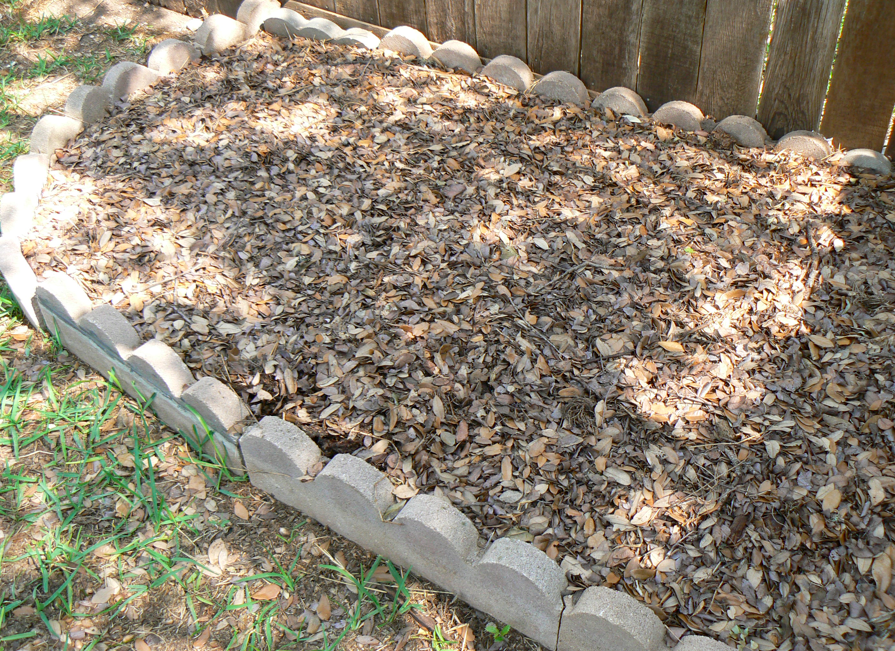
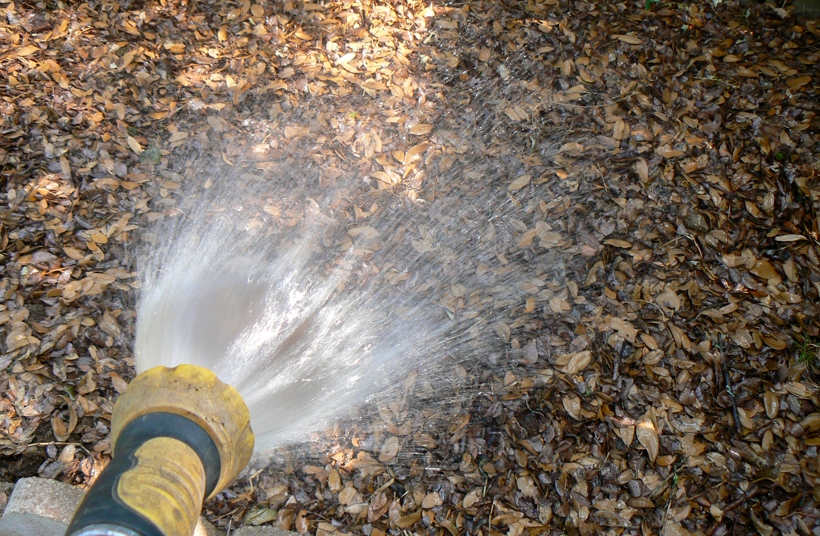
2. Pre-wet the area you have chosen to prepare a nice moist environment for your worms to settle in.
3. You will need to dig a small hole about the size and depth of the box or container of your worms and contents.
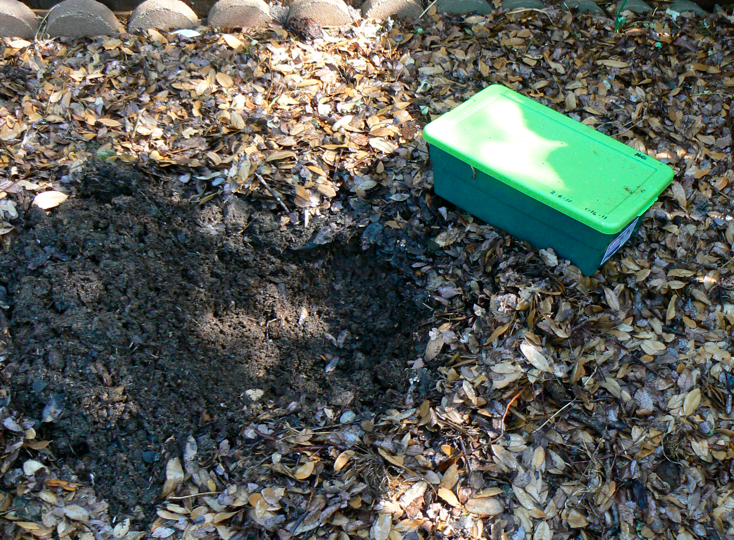
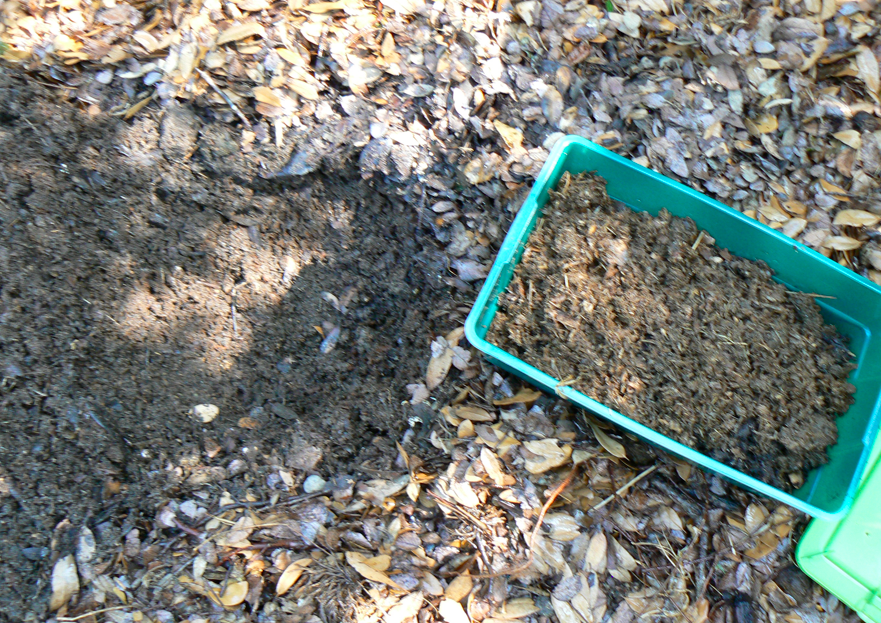
4. Empty contents worms and compost into the hole.
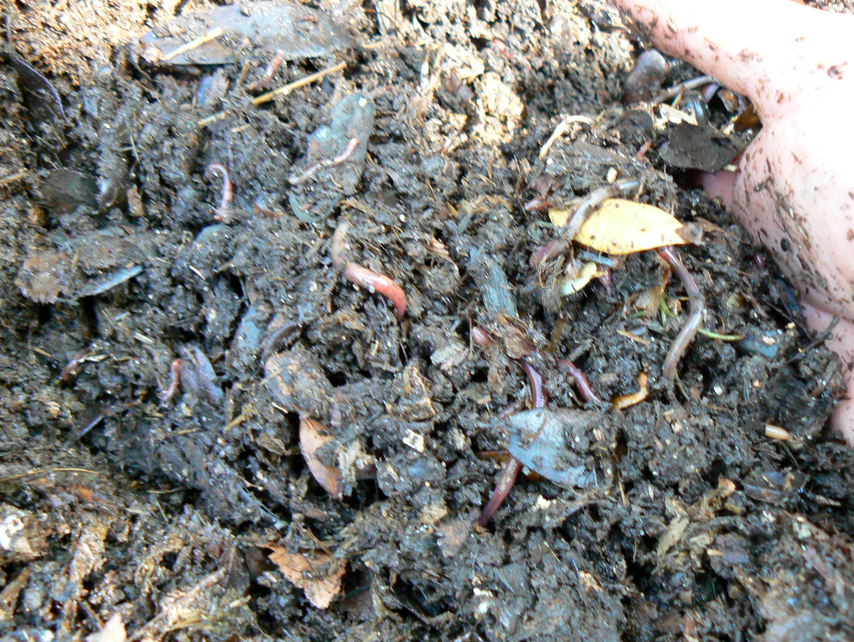
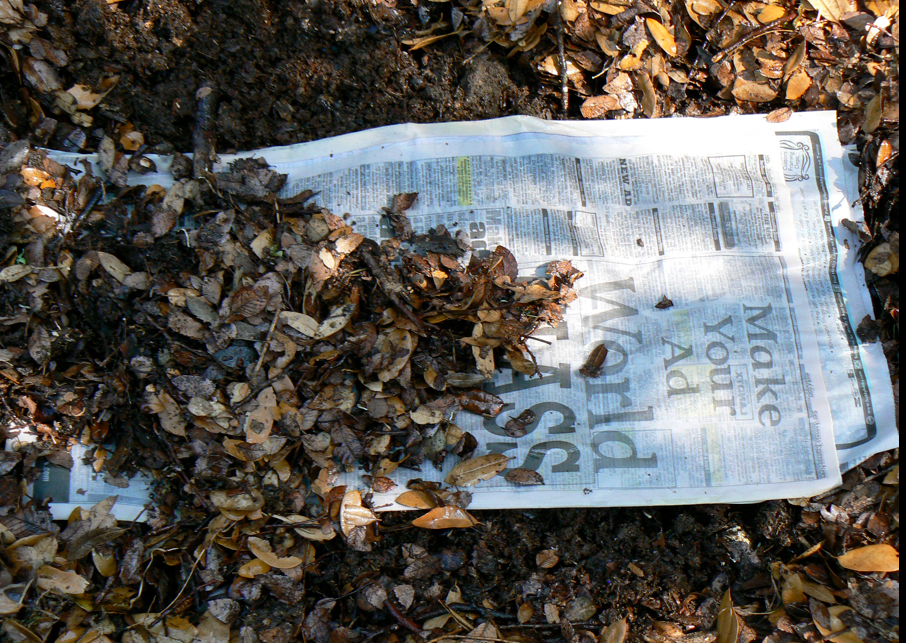
5.  Cover with a section of wet newspaper.  This will keep the worms cool and protected from drying out giving them an opportunity to settle in to their new home. The Alabama Jumpers will eventually spread out on their own.  Red Worms and European Nightcrawlers will stay were they are fed and are not going to spread like the tunneling Jumpers. In the event you are adding Red Worms or European Nightcrawlers you will add a handful of kitchen scraps to the same location you placed your worms every few days.  As your worm population grows you will learn how often to feed based on how fast they work through the organic material.  The Alabama Jumpers are great for aerating and fertilizing the soil.  Red Worms and European Nightcrawlers are better composting worms.

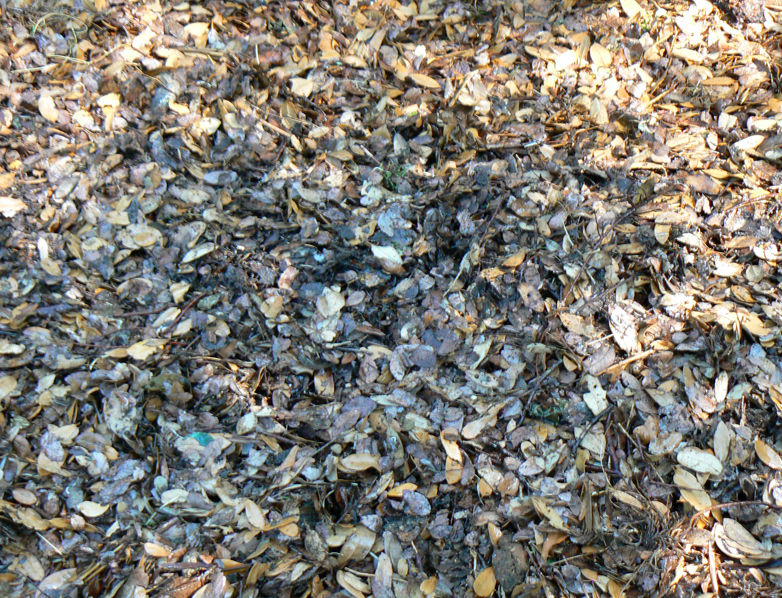
For added protection I covered the newspaper with some leaves.  This method is one I have used with success, I have included some other similar worm bed set up links I have used.  Have fun and send us ideas.  Let us know if you have any questions.

Worm Tubes, Worm Pit, Outdoor Worm Bed, Flow Through Worm Bin.
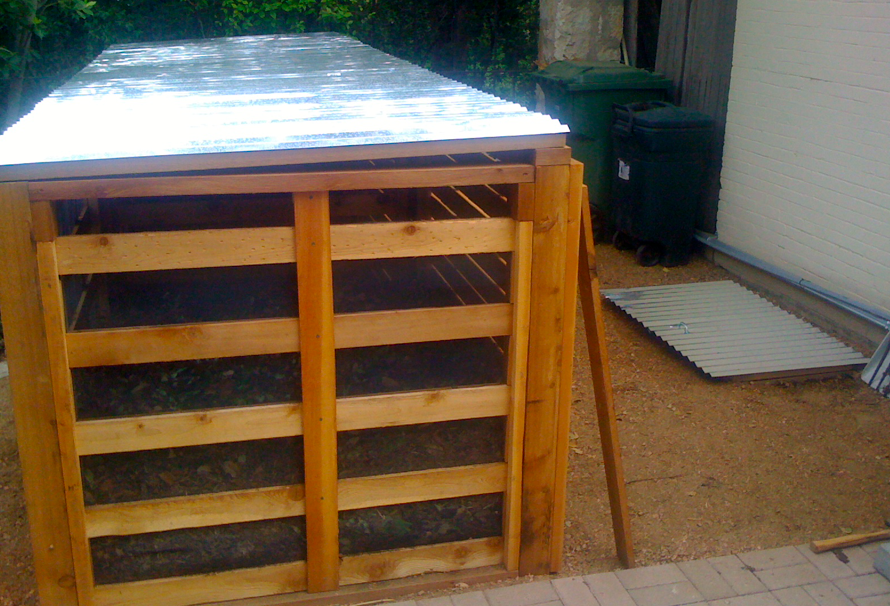
Red Worm Composting at Historic Preservation Site in San Antonio, TX

11 Apr

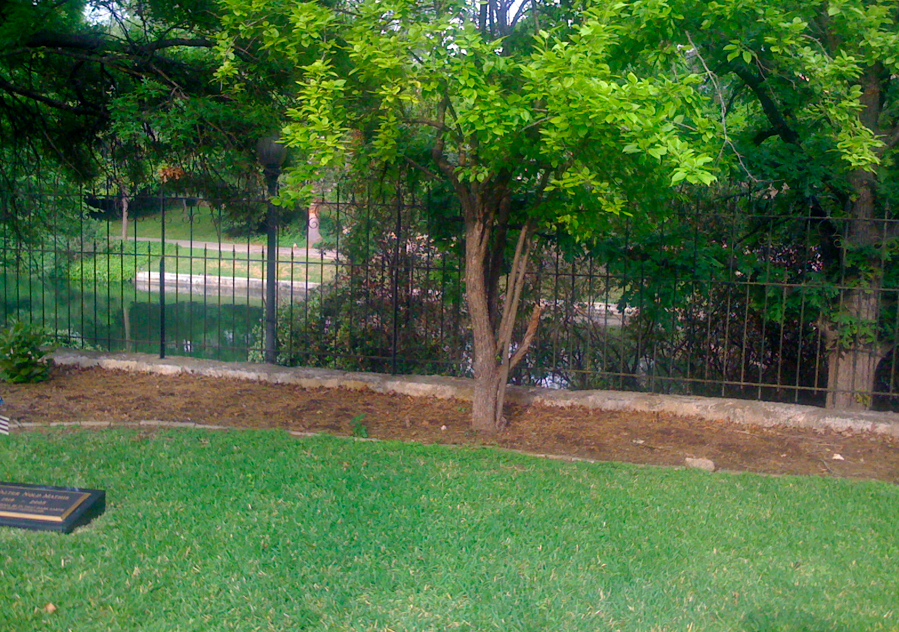
Orlando Cortinas, Landscape Maintenance Technician for Villa Finale in the historic King William district in San Antonio, TX is doing some tremendous work on the museum grounds.  He is bringing this historic property back to life, and working on some exciting organic methods to gardening and landscaping.  Orlando has built a beautiful worm composting pit, and another composting bin for leaves, yard clippings, and food waste.

On my tour of the grounds, Orlando showed me his plans for a greenhouse, and compost tea brewer.  Thanks Orlando, and the National Trust For Historic Preservation for your purchase with TexasRedWorms.com and the tour of your impressive property.

The first National Trust Historic site in Texas, this former home of preservationist and civic leader Walter Mathis was purchased in 1967.  This home originally built in 1876 is now a museum, and a nearly 2 acre showcase along the San Antonio River on former Alamo farm lands.

Worm Composting Bins and Garden Worm Tubes

31 Mar

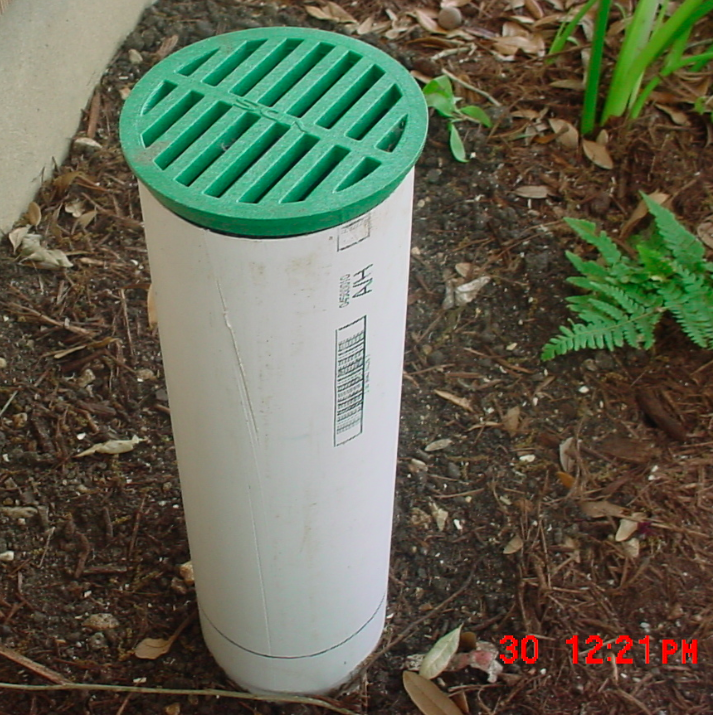
Brian in San Antonio was kind enough to share some pictures of his worm tubes that he placed under the eves of his home and buried about 18″.  He drilled several holes in the  bottom 18″ buried portion of the pipe for drainage.

I just wanted to thank you for your help and encouragement starting worm composting. I went ahead and mixed 50-50 cow manure and peat moss in my tube and added a hand full of your red worms, and built a two bin system for the rest of the worms. two worm I added to my potted pineapple plant as an experiment. I figured I’d let the worms settle in for 3-7 days before adding vegetable mater. take a look at my pictures   and let me know what you think. thanks again brother. BRIAN

Here are some more pics of his two bin system.

Above: drainage bin to catch excess moisture from worm composting bin.

Thanks to Brian in San Antonio for sharing your pics and ideas.

Let us know if you have any questions about composting w/ worms.  Red Worms, European Nightcrawlers, and Alabama Jumpers available at TexasRedWorms.com for composting, gardening, and fishing. For more tips on what to do when you receive your worms check out our Care of Worms section.

Make your own worm pit.

25 Mar

Due to a lack of morning or afternoon sun, I had a difficult time growing anything in this flower bed.  What began about three years ago as a compost pile would be converted into a worm pit.

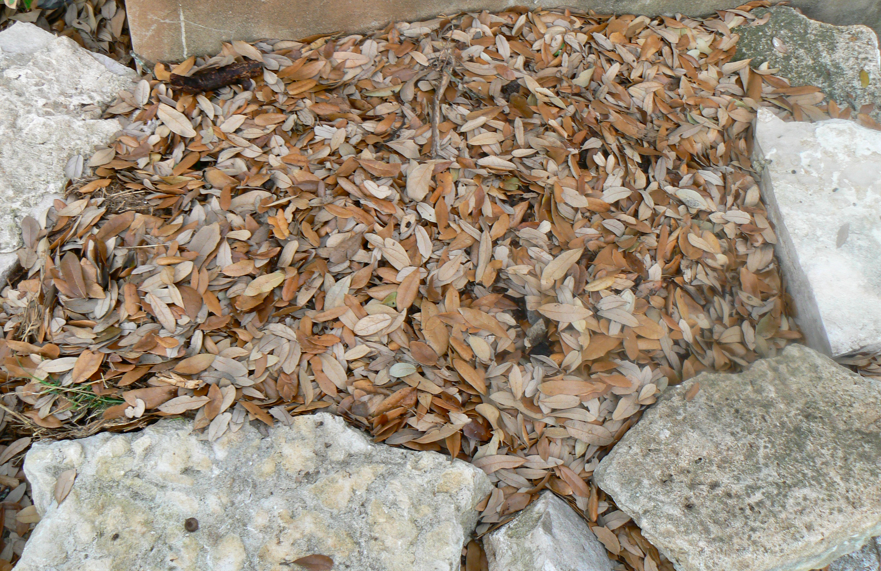
First, I dug out some of the existing soil that was mostly clay and caliche (rock).  I dug out about 18″ and began filling w/ organic matter.  I began adding coffee grounds, horse and cow manure, grass clippings, leaves, and other vegetable waste.  I didn’t add worms until about this time last year.  Adding the worms at this point,  gave the organic matter plenty of time to break down, and provide a rich environment for the worms.  The worms have flourished and every handful yields a good many worms.  I have continued to add compost material, and water as needed to keep the bed moist.  Over the last month or so, the live oaks have given us a ton of leaves, and I have added them to the top layer as a mulch.   You can use newspaper, hay, or other kinds of mulch to keep the worm bed from drying out.  A layer of mulch will also keep the worms cool in the summer and warm in the winter.  This particular worm pit I am raising Alabama Jumpers, but is suitable for other species, red worms, European nightcrawlers, and African nightcrawlers.

Harvesting Worm Castings w/ a Homemade Sifter

23 Mar

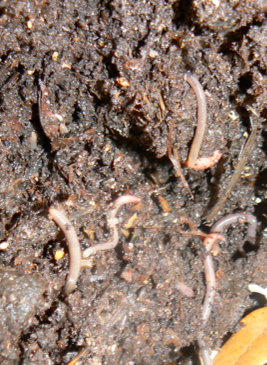
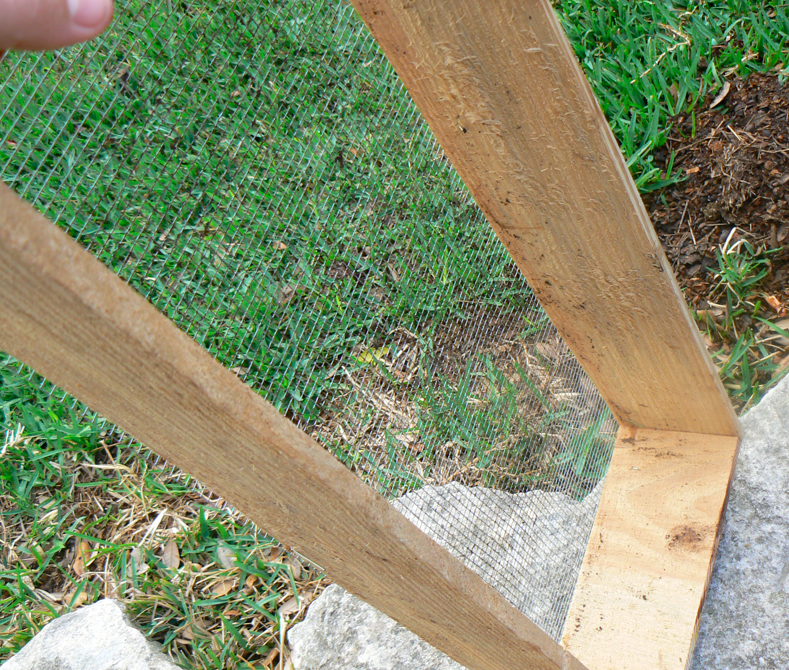
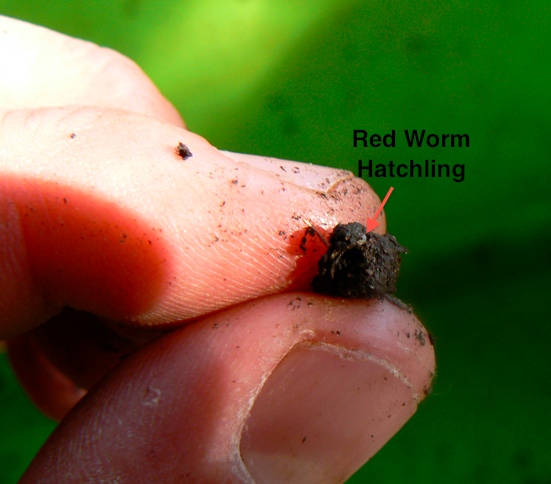
For large jobs of sifting worms from castings or compost I use my Texas Worm Harvester, but for smaller jobs I have built a small box sifter.  With some scrap materials,  and the left over 1/4 inch wire mesh I had I put together this sifter.  I have also seen where other worm farmers use 1/8 inch screen, for my use I have found the 1/4 inch to do just fine.  Separating worms from castings using this or the harvester method is the first step I take and removes most of the worms are course unprocessed organic matter.  I do spend time picking out tiny worms and eggs, but losing a few is not a big deal.  Here is a picture of a tiny hatchling that I found while harvesting castings.  As you can see, or maybe not, these little guys are hard to find.  This little thread of a worm was wiggling which made him easier to see.

Compost Tea Time

18 Mar

This afternoon I began brewing up about 70 gallons of compost tea with worm castings I recently harvested.  In about 12 hours my brew will be ready to apply to my plants and yard.  If you are in the San Antonio area, and can pick up, I’ll be giving a gallon of actively aerated vermicompost tea away with a TexasRedWorm.com purchase.  An application of compost tea will add life to your soil with beneficial micro organisms that will fight disease and pests, as well as, boost your plants growth.  Active aeration prevents harmful anaerobic bacteria and other non-beneficial microbial activity.  Applying compost tea within a few hours is best, after a few hours the brew begins to go anearobic.

Here’s a link for a recipe.

Be aware of store bought compost tea products claims that are sitting on the shelf.  These products will not be aerobic and will not contain many of the benefits (beneficial microbes that require Oxygen) that are associated with actively aerated compost tea.

Texas Worm Harvester (part 4)

10 Mar

After several weeks and hundreds of pounds, I have made a few modifications to my worm harvester.  The first thing I did was replace the 1/2 inch hardware cloth w/ 1/4 inch screen throughout.  The 1/4 inch screen keeps the majority of the worms out of the catch tubs and sends most worms to the end bucket along w/ the larger sized material.  I still have to spend some time picking through the worm castings for eggs and baby worms.  Using this method I have been able to speed up the process of separating worms from castings considerably.

Another change I made was adding a scrap piece of particle board to the front end to make loading easier and to prevent back flow.  The only other modification was to tweak the angle slightly.  I have the end pieces bolted so that I can adjust the height, also I can add blocks underneath to change the level.

Outdoor worm bed question?

8 Mar

Thanks to Chris from Arkansas who sent in a great video question via email.

My response:

Looks like a great spot to build a worm bed. (Pick a shaded area that can be kept moist, well drained, with decaying organic matter.)

You can do either:
If you bury your plastic bin, be sure the bottom of the tub is either removed or has lots of good sized drainage holes.  You could also dump the contents of your plastic bin into the flower bed.  For added protection from drying out, and critters you can cover with a few layers of damp newspaper, cardboard, straw, mulch, old carpet, or plywood.
Or you can do both:
Bury your red wiggler bin.  Use the rest of the space for European nightcrawlers (Eisenia hortensis), or other species.  By building up organic matter you can attract your native earthworms and/or supplement with some purchased worms.   You can keep tabs on your red worm population, and watch the locals come to feed.  I have done this in a couple of flower beds, and it seems to work well.  The red worms will not stray and stay close to the food source.  The earthworms (European nightcrawlers) tend to spread out more which is great for surrounding soil.  Keeping your bed moist and full of organic matter will attract them and keep a fair amount close to home.
Hope that helps.
Red Worms– (Eisenia foetida) top feeders, composting worms, extremely prolific.
European Nightcrawlers– (Eisenia hortensis) deeper feeders, great for aerating lawn and garden, can also be used for composting.
Both Red worms and European nightcrawlers can be used to reduce household waste, accelerate the composting process, as well as, add nutrient rich natural fertilizer to plants, grass, and garden.

European Nightcrawlers now available

23 Feb

European Nightcrawlers are now available at TexasRedWorms.com. They can be used for composting just like the red worm, but are a bit larger, stronger and are deeper tunnelers than the top feeding red worm.  Red Worms prefer piles of moist decaying organic matter (leaves, manure).

There are many different species of earthworm ranging in size and climate, most can be classified in one of two larger camps. The first being the deeper dwelling tunnelers (European Nightcrawler), and secondly the top feeding composters (Red Worm).  A lot of biologists claim that all earthworms have been introduced, from settlers bringing them in potted plants and so forth.  I have a hard time with that, but guess it could be possible.

Care for both worms is similar and they can even co-habitate. The nightcrawlers are able to be added directly to your garden, flowerbed, or lawn, while the red worms would not fare so well.  The red wigglers are more prolific smaller worm that will not scatter like the European nightcrawler, or Alabama Jumper.  Both are well suited for composting and bin raising, and care is identical.

European nightcrawlers are typically what you will find at bait shops, and grow thicker and longer than the red wiggler.  Both are active on a hook and will get the fish to bite.

Cold Hardiness of Worms

21 Feb

WIth temperatures dipping into the mid-20’s and a wind chill well below, I transported several pounds of red worms and european nightcrawlers in the back of a pick up from San Antonio through Houston to southeast Texas.  I knew it was going to get cold, but the forecast for San Antonio was way off.  When planning our trip, the most recent weather reports called for morning temperatures in the mid-50’s.  Thank God for the cold hardiness of these worms.  We finally reached our destination and the 6 hours the worms spent in small bins exposed to these temperatures I feared I would have lost many of the worms.  Temps. in bins dipped well below freezing.

Fortunately, both species (europeans and red wigglers) recovered just fine.  Even the smaller juvenile worms were actively working the next day, as I checked the bins and got them to 50F.

God bless these little guys who prove over and over their resilience in some less than ideal conditions.  I don’t recommend testing the limits, as I typically keep them fairly protected (indoors when possible, the garage, and worm beds several inches underground).