Tag Archives: european nightcrawlers

Easy DIY In ground Worm Composting Bin

21 May

With a few minutes and fewer tools you can set up your own red worm composting system in any raised bed.

Materials:

Tin snips or box cutter

Plastic planter or bucket

Shovel or other digging tool

Stone or cover for the in ground bed

Worms

Find an old plastic planter and cut the bottom out.

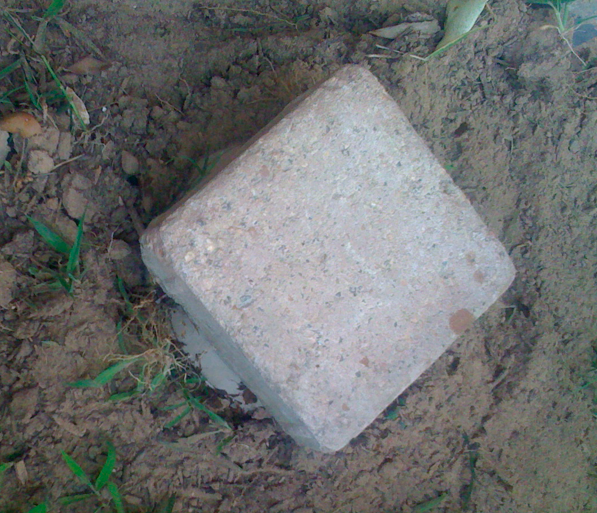
Find a well drained spot that is protected from afternoon direct sun.  Dig a small hole big enough to bury the upside down container.  Add some shredded paper products and some compost.  Moisten your mix and add worms.  Cover w/ a paver or stone to keep out critters, and protect from elements.
Depending on the amount of worms, a handful of kitchen scraps every week or so will be plenty to start.  As your worms grow and reproduce they will require more frequent feedings.  Do not over feed.  Be patient and when the food is processed by the worms, add a few more kitchen scraps.  Keep an eye on moisture.  If kept out of direct sunlight, the food scraps will usually provide enough moisture for your worms.  Worms like it wet because they breathe through their skin, but will drown in standing water.

Red Worms vs. Nightcrawlers for Composting. What’s the Difference?

15 May

Red Worms (Eisenia fetida)European Nightcrawlers (Eisenia hortensis), and African Nightcrawlers (Eudrillus eugeniae), are all excellent composters.  These worms vary in size, w/ Red Worms being the smallest and possibly the least picky.  Red Worms ease of care and ability to handle a wide range of temperatures make them a popular composting worm.

European and African Nightcrawlers are larger worms.  European Nightcrawlers are popular w/ fisherman, due to size.  You’ll find their larger cousin (Canadian Nightcrawler) in bait shops, as well.  European Nightcrawlers can be used for composting, but thought to be less efficient than Red Wigglers or African Nightcrawlers.

African Nightcrawlers are a tropical worm that thrive in warmer climates, need to be kept in temperatures above 70F and will start to die off at 60F.  They are the choice for many commercial worm casting producers that have access to climate controlled facilities.  All three species or varieties can be prolific in the right conditions, and make excellent composting worms.

DIY Worm Trough

28 Apr

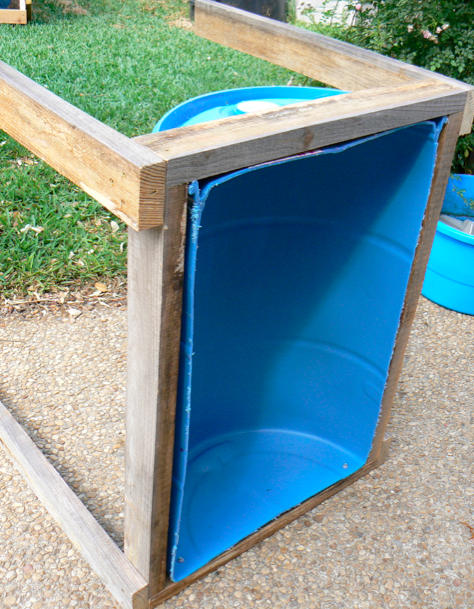
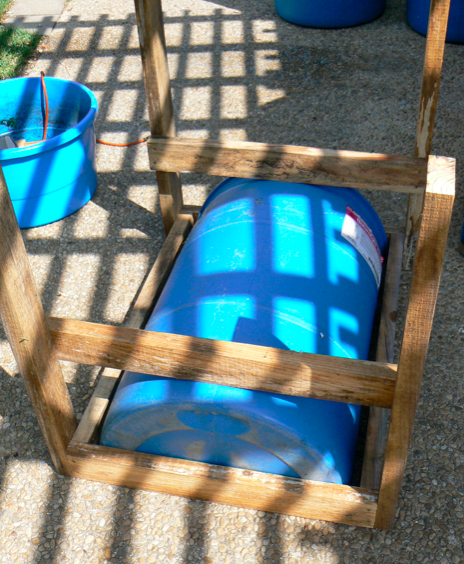
I had been thinking of building a feed trough style worm bed for some time.  I found some plastic 55 gallon drums on Craigslist.  My dad had some pine 2X4s cut from his saw mill, and we were in business.  We began by cutting the 55 gallon plastic drums in half w/ a skill saw.

Materials: (2X4s, plastic 55 gallon drums, 3 inch wood screws, roofing screws, Thompson’s water seal)

Next we cut the 2X4s to border the open 1/2 end of the drum.  We used 3″ screws to piece the wood together, and galvanized roofing screws to secure the barrel to frame.  The height off the ground, we sized to about waist high for ease of use and for clearance underneath.
We had enough time and materials to build 3 bins.  When finished, I sprayed some wood preservative on the untreated pine, then I added compost and worms.  These bins are kept in a shaded area, and covered with plastic lids.  I set up a bin for each species we raise (Alabama Jumpers, Red Worms, European Nightcrawlers)
Thanks to my dad (pictured) for the pine, and skilled labor.

Alabama Jumpers in Texas

28 Mar

I have been experimenting for a little over a year with the Alabama Jumper, sometimes referred to as the Georgia Jumper, or in this case Texas Jumper. The scientific name of which being Amynthas agrestis.  Now that that’s out of the way, this Jumper isn’t even originally from Alabama?   As a matter of fact, it is believed to hail from Asia.  How about that?  This aggressive and super strong worm can and will jump right out of your hand.  This super strength makes it a powerful tunneler, and allows it to burrow through some of the hardest packed clay soil.  This worm is a hot item, and is in high demand by gardeners everywhere for these reasons.  European nightcrawlers, African nightcrawlers, and Red Worms, are all great, but the Alabama Jumper can go to work in clay and sand unlike the other varieties.  I have experienced it’s power first hand, and been amazed at it’s strength and ability to work through some hard soil.  In San Antonio, we’ve got some pretty tough clay, and I have seen these Jumpers perform mightily in it.  I too have read all the hype about this worm, and it is the real deal.  The Alabama Jumper is great for people that want a worm to go to work in their soil, garden, or flowerbeds.  For composting, producing castings, or fishing I would recommend the others.

I have been trying various methods of raising the Alabama Jumper for over a year, and have had success with raising them in bins, as well as, worm beds or pits.  They are reproducing in both environments, and I have a limited amount available for sale.  Call for availability.

Earthworms in my compost bin

17 Jan

In San Antonio, the last week has been pretty chilly for us.  Lows below freezing and highs in the 40s- and 50s.

The rain let up Sunday afternoon, and I slipped outside to feed my worms and turn the compost pile.

Interesting find.  I feed my worms a combination of composted horse/cow manure, vegetable scraps, and coffee grounds from my compost bin and piles.  Above is a picture of one of my compost bins where I found hundreds of tiny earthworms.  Temperatures in a compost pile can reach upwards of 150 F, therefore usually too hot for worms.  The freezing temperatures and rain have cooled things down, and have attracted hundreds of earth worms.  The moisture and cool air have provided the right conditions to hatch some eggs.

Earthworms or European night crawlers are what you will find in your yard.  They eat and break down organic matter  in the ground.  Depositing beneficial castings as they burrow through the soil, aerating and fertilizing along the way.