Tag Archives: san antonio red worms

Be sure to add a little sand to your Red Worm bin.

22 Nov

When setting up a new bin it is helpful to add a handful of sand.  This will help aid in the red worms digesting of food.  The sand will provide the necessary grit in their gullet to help them grind food.  If you are setting up an outdoor bin pick a shady spot with sandy soil if possible.  The sand will not only help your worms but, provides excellent drainage, as well.

TexasRedWorms.com starter farms are complete systems that contain everything you need in an established environment that includes bedding, food, red worms, and castings.  We prefer to sell and ship worms this way, especially for beginners.  We want to take the guess work out of starting your farm, and ensure your success as a red worm farmer.

Perfect time for Red Worming (Vermicomposting)

12 Nov

It’s always the right time to add compost to your soil, and always a great time to get started composting with Red Worms.  It’s Fall in Texas and the cooler weather is ideal for work outside and setting up your worm bed.

TexasRedWorms.com provides you the easiest way to start composting with Red Worms (vermicomposting) today.  Our shoebox sized Starter Farm provides everything you need to produce nutrient rich castings for your plants and soil, and a thriving breeding brood of red worms (eisenia foetida) nature’s best composter.

Check out our latest ad on Craigslist or just give us a call 210-310-5046.  If you are in the San Antonio or Livingston, TX area pick up can be arranged, or call for shipping information.

What to do w/ your Pumpkins after the Trick or Treating

2 Nov

The candy is gone and the festivities are over.  Instead of throwing those pumpkins out with the trash, add them to your compost pile or feed them to your red wigglers.  Composting and worm farming is fun for the whole family.  It is rewarding watching your food waste turn into dark and rich finished compost.  I just added some worm castings to my lemon trees, and am on the hunt for sad jack-o-lanterns around the neighborhood.

Red Worm Eggs

31 Oct

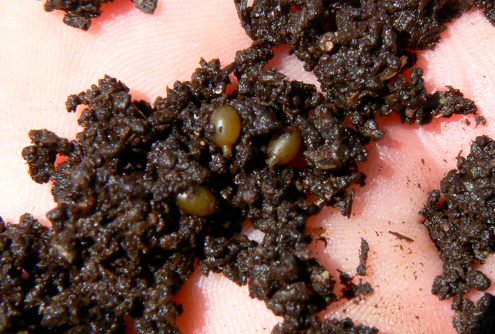
A Red Worm egg sac or cocoon can be laid every 7 days by a healthy mature red worm.  Red Worms can reach sexual maturity in about a month and a lifespan that can go into the early teens.  Red worms are hermaphoditic which means they both fertilize and lay eggs.  Eggs can have 4-30 baby red wigglers.

Keep your worms well but not over fed, moist environment, temps from 40F-80F, and in a quiet dark place and they will produce well for you.

What to feed red worms

30 Oct

(Eisenia Foetida) red worms also known as red wigglers, manure worms, brandling worms, and tiger worms are native to Europe and found naturally in decaying piles of leaves and manure. Their adaptability and heartiness allow them to thrive in various climates and bins. They prefer temperatures from 40F-80F and are terrific composters.

Vegetable and fruit scraps, herbivore manure, yard clippings, paper products, used coffee grounds, and egg shells round out what I use to feed my worms.  Avoid over heating worm bins caused by the composting process, and to speed up availability of bite sized food for the worms by feeding partially composted food scraps and manure.   I feed my red worms from my compost bins.  Variety and balance will keep your worms healthy and happy, and will ensure a balanced pH in your bins and will avoid worms trying to escape and other problems.

Scraps straight from the table can be added in small quantities to a section of an established bin when the worms have eaten through their previous feeding.  For beginners and new bins I recommend feeding less course or already broken down matter.

Texas RedWorms visits Floresville Elementary

26 Oct

Texas Red Worms.com spent lunch today with 300 3rd graders from Floresville Elementary School.  We talked about composting, red worms, and how they could become red worm farmers.  The students have been composting for about a month. Each of the eight 3rd grade science classes will have their own redworm farm to help in their composting process.  Students are learning how to reduce waste and turn trash into nutrient dense castings they can add to plants and landscape around their homes and school.

The students asked some great questions and are eager to begin worm farming (vermicomposting).  Thanks to a bunch of smart, and well behaved students, Mrs. Davis, and the rest of the 3rd grade science department at Floresville ISD.

More than half of U.S. trash could be fed to Red Worms.

20 Oct

According to the E.P.A. and  Yahoo news the average American family throws away 4.5 lbs of table scraps everyday.  Most of which could be eliminated if they had a few red worms.  57% of the trash America puts into landfills is red worm food.  12.7% food, 13.2% yard trimmings, and a whopping 31% paper. Not only could landfill space be greatly reduced, but think of the $ that could be saved if you started composting and red worming.  It’s fun, easy, and great for your yard, plants, and pocket book.

Outdoor Red Worm Farm

12 Oct

Red Worm farming is fun, easy, and helps you convert food wastes into rich natural fertilizer for your yard, plants, and garden.  Red worms are prolific and with time a handful of worms will grow exponentially.  I have build worm beds, pits, containers of all shapes and sizes and this weekend tried something new.  We had an old chicken coop that I converted into an outdoor bed.

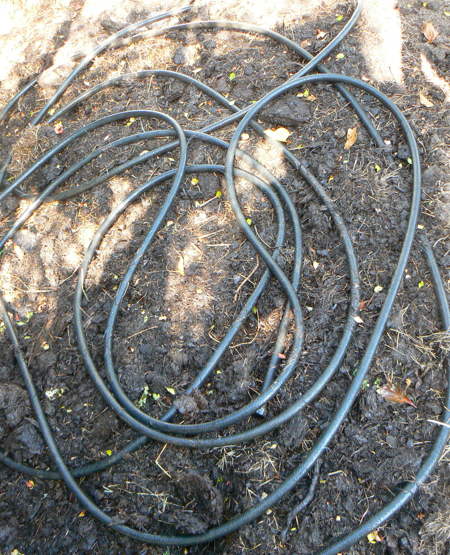
This old chicken coop is a great spot for a worm bed.  Protected from direct sun and wind with a sandy soil base that will ensure good drainage.  I tilled up an area of about 10′ X 10′ and added a few loads of aged cow and horse manure to about 6″ depth.  Next, I ran a soaker hose over the bed and wet down the manure.  Last, I added about 2lbs. of bed run worms to start.

Things to consider when preparing a worm bed:

Protection from sun and extreme temperatures – (tin roof and three sided wall, and  at least 6 inches of bedding)

Moisture – Add depth of bedding and provide adequate watering. (6″ of aged manure and soaker hose, can cover with old carpet, plywood, or tarp)

Drainage – (sandy soil or sand base will keep water from collecting and drowning worms)

Bedding and Food- (partially broken down compost and aged manure are excellent for red worms)

Compost tea benefits: Get rid of termites, fleas, ticks, chiggers, and more naturally.

10 Oct

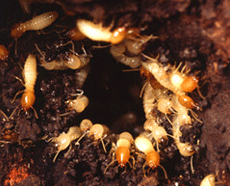
This weekend I took a visit to East Texas to work on some of our worm beds.  While loading manure from some piles to start a new worm bed, I noticed some termites in some fence posts, as well as, some fire ant mounds.  I have had success with compost tea applications before in controlling ants, grubs, and fleas.  So I started a small batch of tea with finished compost and some redworm castings.  I also did a little research to see if anyone had had any experience with termites and found this article.  Microbes like nematodes and bacteria can be amplified with a quality finished compost and brewed into actively aerated compost tea. Beneficial predators that can control and eliminate many pests.  So if you have a roach, ant, flea, tick, grub, cigger, termite or other problem chances are actively aerated compost tea can come to the rescue.

Compost “Sweet” Tea

1 Oct

I started brewing a batch yesterday afternoon of actively aerated red worm compost tea (red worm castings, unsulphured molasses, and rain water).

I have collected about 15-20 gallons of rain water to use over the last month or so.  Rain water, well water,  or water from other natural sources are the best choices to be used in your compost tea.  Tap water should be left out in the sun for a day or so to eliminate Chlorine. Next, I harvested some castings from my worms.  I use a mesh laundry bag for my tea bag.  Compost can be added to the water or steeped with a bag.  The tea bag eliminates the need to strain before putting in your sprayer.

Aeration- I’ve got a pond aerator pumping into the brew to supply plenty of O2 supporting beneficial microbial growth.

To make is “sweet” compost tea, I’ve added some unsulphured molasses to feed the beneficial bacteria.

This batch will be ready this afternoon.  I’ll put the finished product into a pump sprayer and apply to my plants.  It’s that easy to add beneficial microbes and add “life” to plants and soil.  Compost tea applications will reduce water consumption by plants, and add balance back to your yard and plants.  Beneficial microbes (bacteria, protozoa, fungi, and nematodes) can eliminate the need to aerate your lawn, the use of pesticides, and commercial fertilizer.

I will need about 5 gallons or a third for my use, and will be glad to share the rest.  I’ll be giving a gallon away with any worm purchase this weekend.  First come first serve.