Tag Archives: vermicompost

Composting with Red Worms 10:00am this Saturday at the San Antonio Botanical Garden

20 Jul

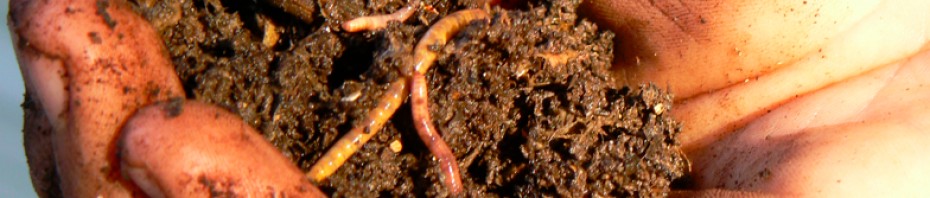
Join TexasRedWorms.com at the San Antonio Botanical Garden this Saturday, July 23 at 10:00 am.  We will be teaching how to set up your own red worm composting bin, and how to compost with worms.  Learn how to turn your kitchen waste into rich worm castings that will condition the soil, and fertilize your plants naturally.

Composting with Red Worms

 10 am—noon. Start turning your waste into rich worm castings for your garden and plants. Red Worm composting from
TexasRedWorms.com will show you how to make your own worm bed and bin, how to feed, care for, and harvest your own steady supply of worm castings. Limit 30 participants. Fee: $20. To register, please contact Sasha Kodet at 210.207.3270 or sasha.kodet@sanantonio.gov.

Worm farming. Fun for the whole family.

27 May
 Thanks to Bryan in San Antonio for keeping us posted with all the cool worm composting projects he and his family have going.  
From Bryan:
     I wanted to up date you on how things are going with my worms. The worm tube in my planter seems to be functioning although managing the moisture level needs a bit more attention then I had expected. The high watering needs of the plants dictates that no extra moisture can be added to the tube, at lest for now. Like you said, you have to experiment. As you can see in the picture I had sent you earlier, I had placed a piece of panty hose over the top to keep out flies and other insects. A small number of gnats and ants have managed to get in. The worms in the tube are thriving and multiplying so that’s a good sign. Taking your advice of dividing the worms has helped to continue their rate of reproduction so much in that we have started our third bin two days ago, and probably have enough to start two more. We are all having a fun time of it.
    Soon after starting the first bin I decided to place two worms in a potted pineapple head that I had started. The soil in the pot had become hard and I wanted to see if adding some worms would help, and also if the worms would survive. After a little over a month, the soil is soft and the plants growth has accelerated and the new leafs look great. As of yesterday, we have started brewing worm tea in the typical fashion, 5 gal bucket, aquarium pump and aeration stones and molasses.
  The collecting of coffee grounds from Starbucks has begun, so far I have filled a new 30 gal trash can that I purchased at Wal Mart for around $10.00  about half way. We are also saving our egg shells as well as collecting them from a local bakery.  We use a blender, small food processor, and a mortar to grind them to a fine powder allowing for almost instant availability to the worms. I guess I’ve crossed over the sanity line somewhere.   I do have one question you might be able to answer?  Question* If compost worms i.e. red wigglers were thriving in a plant, flower or vegetable bed would they at some point start eating the roots of the plants?
     Looking forward to hearing from you soon your friend.
                                                                                           BRIAN
Wow.  You are a worm farming machine.  That is outstanding work.
 
I have some worms in some potted plants, as well.  There is a chance they could eat some of the roots.  Just keep adding organic matter so the worms will have plenty to eat.  Keep an eye on the plants health, and thin out the worms from time to time.  I think that kept in check the plants will benefit more from the worm castings than harm can be done.
Thanks for the update,
Kyle

Easy DIY In ground Worm Composting Bin

21 May

With a few minutes and fewer tools you can set up your own red worm composting system in any raised bed.

Materials:

Tin snips or box cutter

Plastic planter or bucket

Shovel or other digging tool

Stone or cover for the in ground bed

Worms

Find an old plastic planter and cut the bottom out.

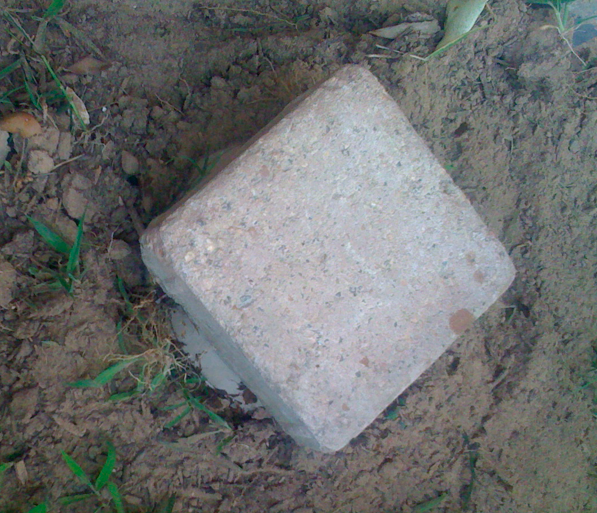
Find a well drained spot that is protected from afternoon direct sun.  Dig a small hole big enough to bury the upside down container.  Add some shredded paper products and some compost.  Moisten your mix and add worms.  Cover w/ a paver or stone to keep out critters, and protect from elements.

Depending on the amount of worms, a handful of kitchen scraps every week or so will be plenty to start.  As your worms grow and reproduce they will require more frequent feedings.  Do not over feed.  Be patient and when the food is processed by the worms, add a few more kitchen scraps.  Keep an eye on moisture.  If kept out of direct sunlight, the food scraps will usually provide enough moisture for your worms.  Worms like it wet because they breathe through their skin, but will drown in standing water.

Red Worm Composting at Historic Preservation Site in San Antonio, TX

11 Apr

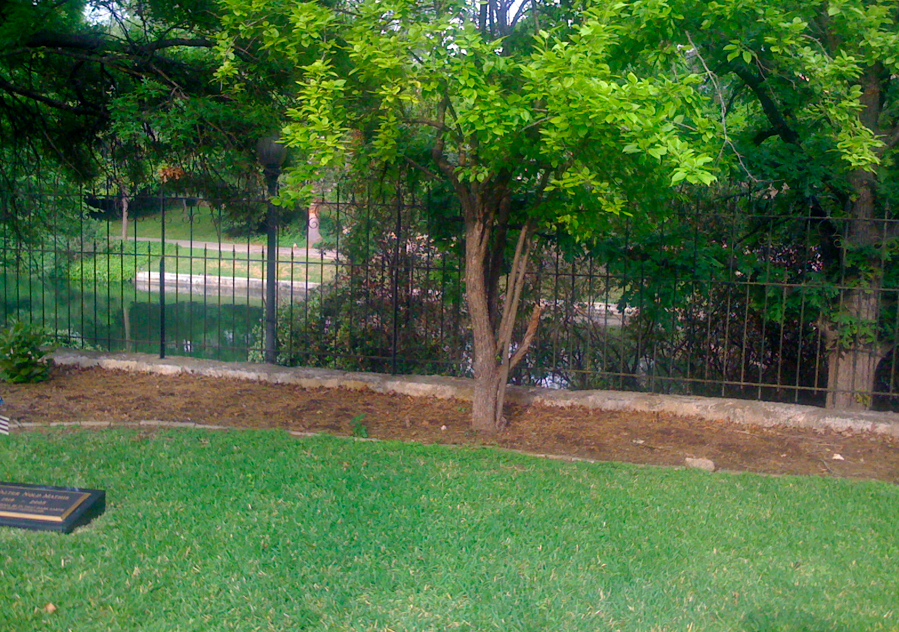
Orlando Cortinas, Landscape Maintenance Technician for Villa Finale in the historic King William district in San Antonio, TX is doing some tremendous work on the museum grounds.  He is bringing this historic property back to life, and working on some exciting organic methods to gardening and landscaping.  Orlando has built a beautiful worm composting pit, and another composting bin for leaves, yard clippings, and food waste.

On my tour of the grounds, Orlando showed me his plans for a greenhouse, and compost tea brewer.  Thanks Orlando, and the National Trust For Historic Preservation for your purchase with TexasRedWorms.com and the tour of your impressive property.

The first National Trust Historic site in Texas, this former home of preservationist and civic leader Walter Mathis was purchased in 1967.  This home originally built in 1876 is now a museum, and a nearly 2 acre showcase along the San Antonio River on former Alamo farm lands.

Make your own worm pit.

25 Mar

Due to a lack of morning or afternoon sun, I had a difficult time growing anything in this flower bed.  What began about three years ago as a compost pile would be converted into a worm pit.

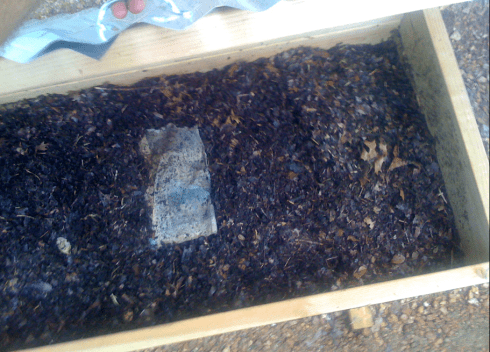
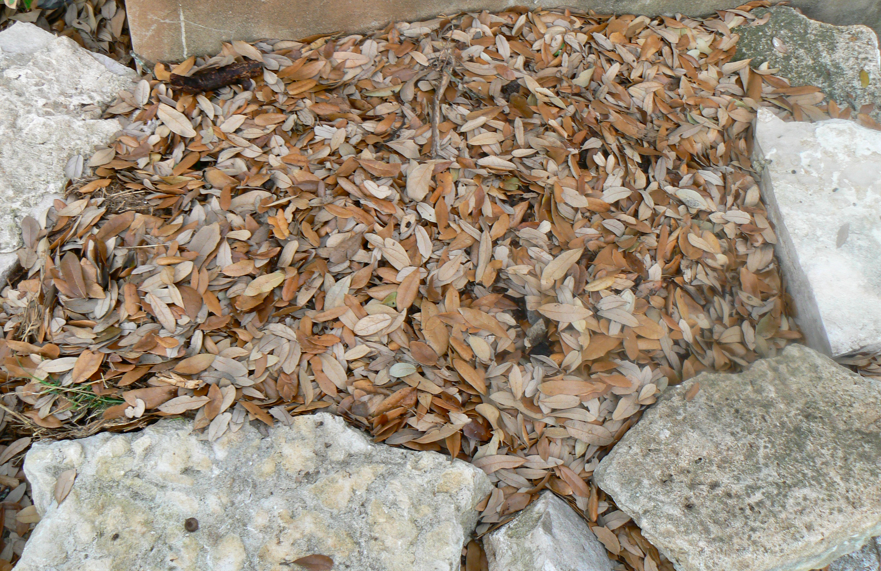
First, I dug out some of the existing soil that was mostly clay and caliche (rock).  I dug out about 18″ and began filling w/ organic matter.  I began adding coffee grounds, horse and cow manure, grass clippings, leaves, and other vegetable waste.  I didn’t add worms until about this time last year.  Adding the worms at this point,  gave the organic matter plenty of time to break down, and provide a rich environment for the worms.  The worms have flourished and every handful yields a good many worms.  I have continued to add compost material, and water as needed to keep the bed moist.  Over the last month or so, the live oaks have given us a ton of leaves, and I have added them to the top layer as a mulch.   You can use newspaper, hay, or other kinds of mulch to keep the worm bed from drying out.  A layer of mulch will also keep the worms cool in the summer and warm in the winter.  This particular worm pit I am raising Alabama Jumpers, but is suitable for other species, red worms, European nightcrawlers, and African nightcrawlers.

Harvesting Worm Castings w/ a Homemade Sifter

23 Mar

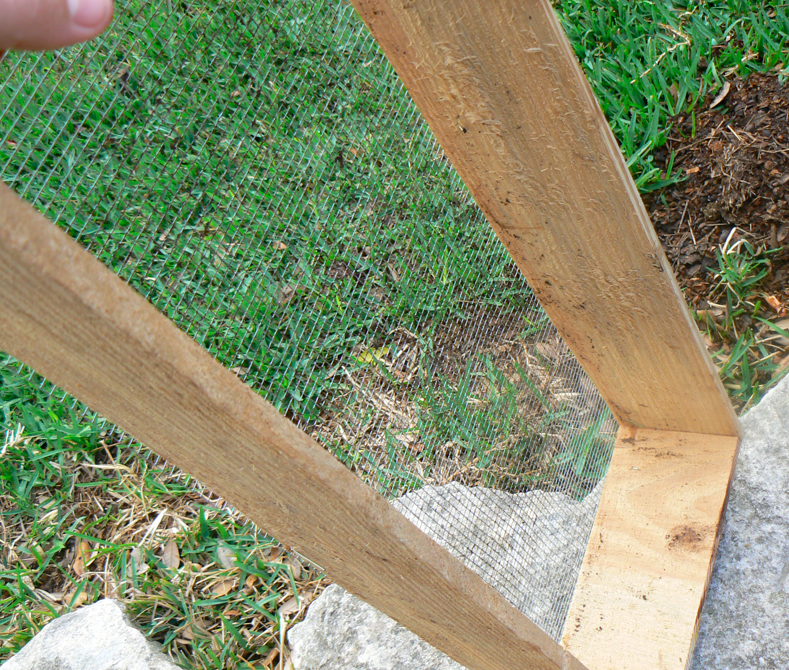
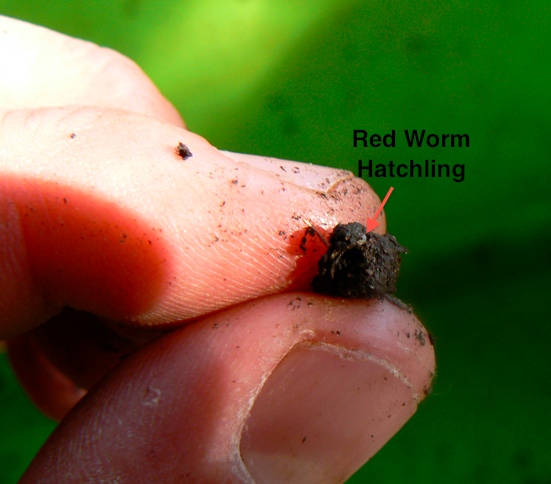
For large jobs of sifting worms from castings or compost I use my Texas Worm Harvester, but for smaller jobs I have built a small box sifter.  With some scrap materials,  and the left over 1/4 inch wire mesh I had I put together this sifter.  I have also seen where other worm farmers use 1/8 inch screen, for my use I have found the 1/4 inch to do just fine.  Separating worms from castings using this or the harvester method is the first step I take and removes most of the worms are course unprocessed organic matter.  I do spend time picking out tiny worms and eggs, but losing a few is not a big deal.  Here is a picture of a tiny hatchling that I found while harvesting castings.  As you can see, or maybe not, these little guys are hard to find.  This little thread of a worm was wiggling which made him easier to see.

Worm Castings: the Best Fertilizer for the Garden

16 Mar

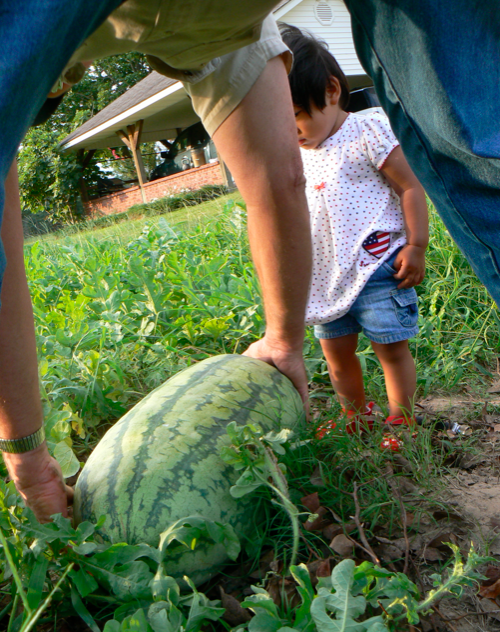
Spring time means it’s time to plant.  The whole family pitched in helping my parents with the garden. My niece and dad are pictured above planting the watermelons.  I supplied the worm castings, and a little hoeing to help out.

Worm castings are one of the benefits to raising your own worms.  Composting food waste with worms will give you your own organic fertilizer.  All natural fertilizer that strengthens roots of plants, improve disease resistance, and makes better tasting vegetables.  Check out these links for additional information and benefits from gardening with worm castings.

wormcompostingblog.com

wormsetc.com

tastefulgarden.com

We’ll be looking forward to some more tasty vegetables from the garden this year.

Planting Blueberries w/ worm castings

19 Jan

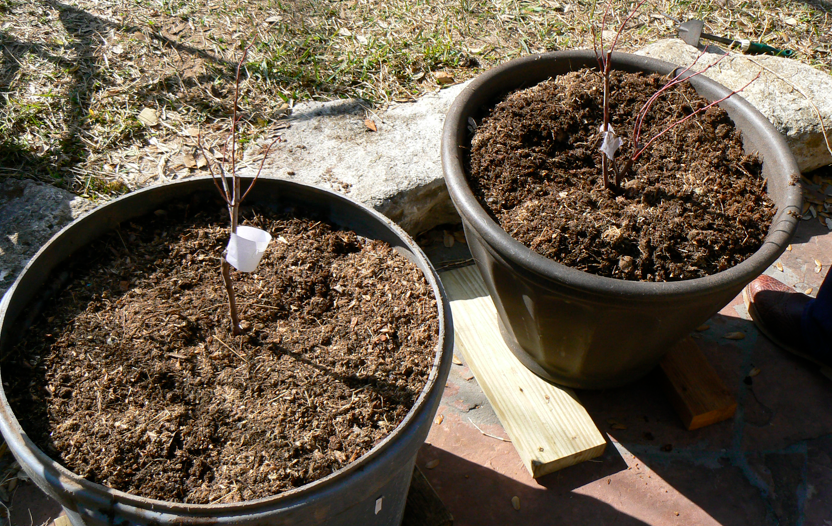
I just received my blueberry shipment yesterday, and was anxious to plant.  I ordered 14 blueberry 2-3 foot tall plants (climax, premier, brightwell, and delight varieties).   Blueberries like a little acidity and do very well in the southeast Texas well drained sandy soil.  We will put most of the plants in the ground in Livingston, but  I wanted to have a couple here in San Antonio in pots.

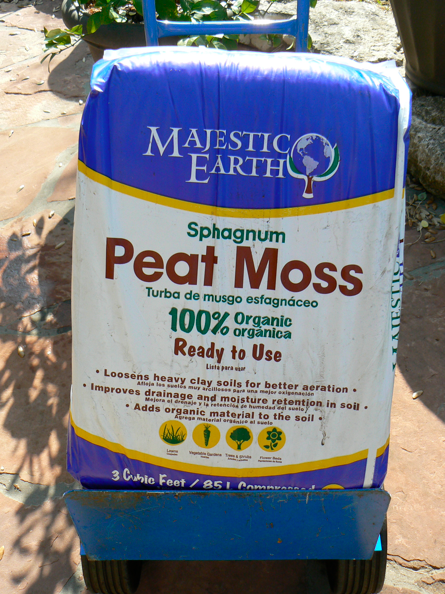
My blueberry potting mix: Sandy southeast Texas soil, peat moss, worm castings, and finished compost.

For the two plants I split 4 lbs of Texas red worm castings that I placed near the roots, not mixed like the other components.  Worm castings are an outstanding fertilizer to support root growth and development.

These plants should produce a few berries early this Summer, but we will pick them early to yeild a better crop in the second year.

I chose a large container, and repurposed an empty syrup tub that we use to feed cows.

Earthworms in my compost bin

17 Jan

In San Antonio, the last week has been pretty chilly for us.  Lows below freezing and highs in the 40s- and 50s.

The rain let up Sunday afternoon, and I slipped outside to feed my worms and turn the compost pile.

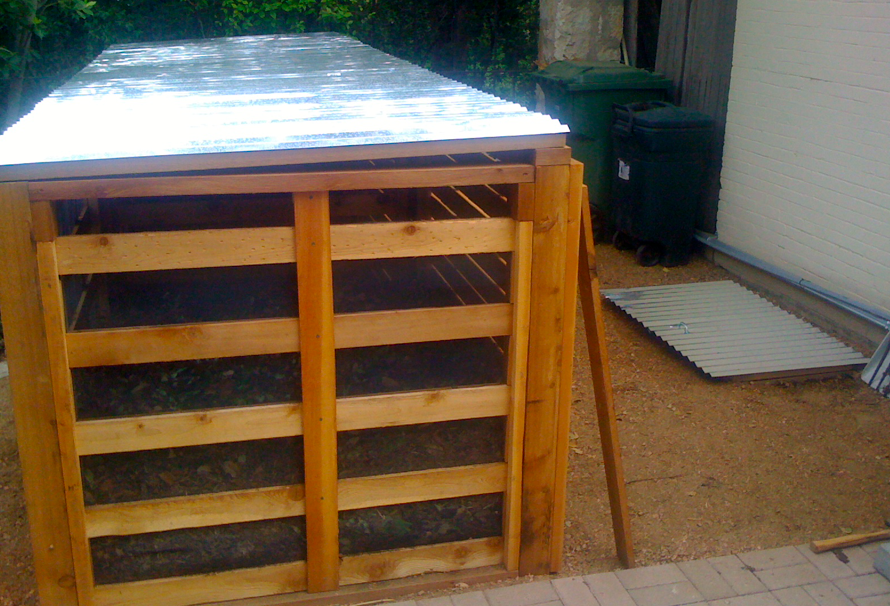
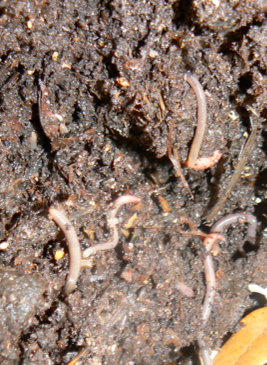
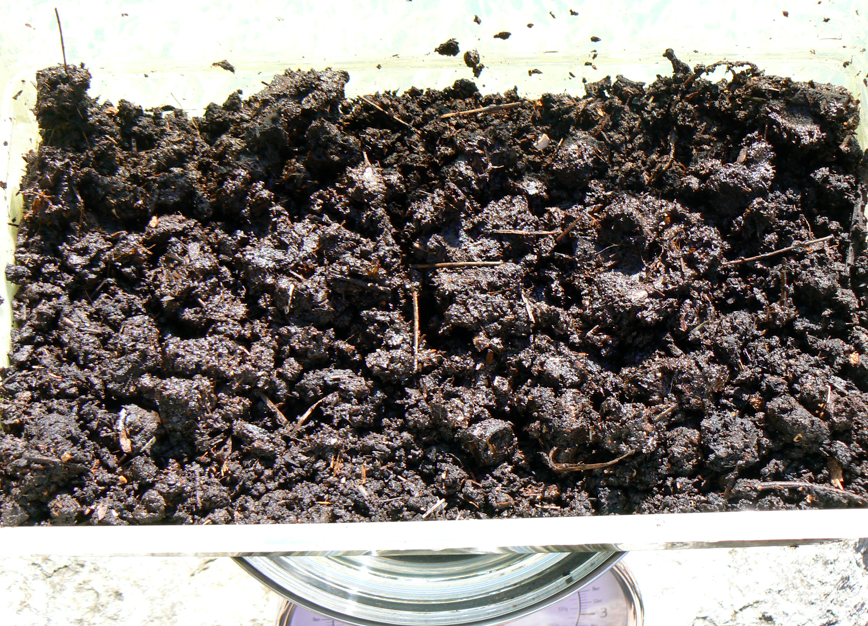
Interesting find.  I feed my worms a combination of composted horse/cow manure, vegetable scraps, and coffee grounds from my compost bin and piles.  Above is a picture of one of my compost bins where I found hundreds of tiny earthworms.  Temperatures in a compost pile can reach upwards of 150 F, therefore usually too hot for worms.  The freezing temperatures and rain have cooled things down, and have attracted hundreds of earth worms.  The moisture and cool air have provided the right conditions to hatch some eggs.

Earthworms or European night crawlers are what you will find in your yard.  They eat and break down organic matter  in the ground.  Depositing beneficial castings as they burrow through the soil, aerating and fertilizing along the way.

Best Meyer Lemons yet w/ Worm Castings

8 Jan

Better yields, better tasting fruits and vegetables are the result when you fertilize w/ red worm castings. Worm castings contain loads of calcium, phosphorus, nitrogen, and potassium.  Other micro and macro nutrients are present that support and develop superior root structure, to plants fertilized w/ commercial fertilizer.  Even though highly concentrated, worm castings will never burn plants like synthetic fertilizers can.  Benefits of fertilizing with worm castings include healthier plants, healthier fruits and vegetables, and cost savings.