Thanks to Chris from Arkansas who sent in a great video question via email.
My response:
Looks like a great spot to build a worm bed. (Pick a shaded area that can be kept moist, well drained, with decaying organic matter.)
Thanks to Chris from Arkansas who sent in a great video question via email.
My response:
Looks like a great spot to build a worm bed. (Pick a shaded area that can be kept moist, well drained, with decaying organic matter.)
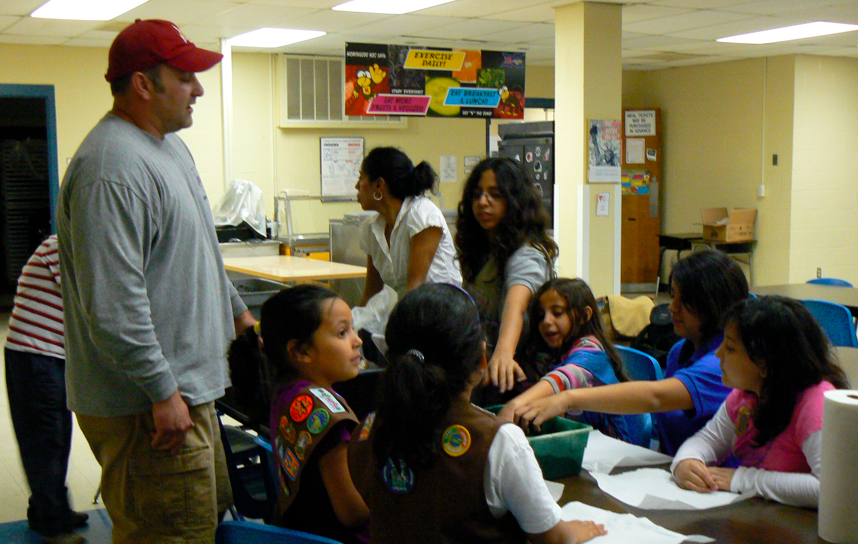
TexasRedWorms.com helped some San Antonio Girl Scouts get started composting with red worms. The girls were very knowledgeable about the composting process, and were quick to get hands on with the worms and castings. These scouts are working on badges, reducing waste, and making their homes and school better with worms.
Thanks to Magda Silva and the Girl Scouts of Southwest Texas!
European Nightcrawlers are now available at TexasRedWorms.com. They can be used for composting just like the red worm, but are a bit larger, stronger and are deeper tunnelers than the top feeding red worm. Red Worms prefer piles of moist decaying organic matter (leaves, manure).
There are many different species of earthworm ranging in size and climate, most can be classified in one of two larger camps. The first being the deeper dwelling tunnelers (European Nightcrawler), and secondly the top feeding composters (Red Worm). A lot of biologists claim that all earthworms have been introduced, from settlers bringing them in potted plants and so forth. I have a hard time with that, but guess it could be possible.
Care for both worms is similar and they can even co-habitate. The nightcrawlers are able to be added directly to your garden, flowerbed, or lawn, while the red worms would not fare so well. The red wigglers are more prolific smaller worm that will not scatter like the European nightcrawler, or Alabama Jumper. Both are well suited for composting and bin raising, and care is identical.
European nightcrawlers are typically what you will find at bait shops, and grow thicker and longer than the red wiggler. Both are active on a hook and will get the fish to bite.
WIth temperatures dipping into the mid-20’s and a wind chill well below, I transported several pounds of red worms and european nightcrawlers in the back of a pick up from San Antonio through Houston to southeast Texas. I knew it was going to get cold, but the forecast for San Antonio was way off. When planning our trip, the most recent weather reports called for morning temperatures in the mid-50’s. Thank God for the cold hardiness of these worms. We finally reached our destination and the 6 hours the worms spent in small bins exposed to these temperatures I feared I would have lost many of the worms. Temps. in bins dipped well below freezing.
Fortunately, both species (europeans and red wigglers) recovered just fine. Even the smaller juvenile worms were actively working the next day, as I checked the bins and got them to 50F.
God bless these little guys who prove over and over their resilience in some less than ideal conditions. I don’t recommend testing the limits, as I typically keep them fairly protected (indoors when possible, the garage, and worm beds several inches underground).
A proper set up, and a little planning is all you need to be a successful worm farmer. In no time you’ll be making more bins, and harvesting valuable castings for your soil and plants from garbage that your family produces. Red worms are rapid breeders, and can lay an egg every 7 days. Because they breed so fast in good conditions, focus on their environment, and you will have more worms than you know what to do with. I started 4 years ago with a medium sized drink cup worth of worms that wasn’t even full. I sputtered for a bit until I dialed in the right conditions for their bin. Soon after I got it right and 1 bin became 2 and there is no telling how many worm beds and bins I have started. So how many worms you start with is not important, but how you start is critical for success.
On another note, I harvested the castings from one of my starter (shoebox size) farms this weekend that I started on 11/28/10 with 10 eggs. This experiment proved that a healthy bin will produce great results.
For first time worm farmers I recommend my starter farm $40 that will give you a headstart on producing castings and more worms than just purchasing a pound of worms. An established environment with reproducing worms from egg to adult, and will out produce a worm purchase alone. Worm farming is easy, but you must get a few things right. The right kind and amount of food, the right temperature, the right moisture, and the right amount of room. BIns should mimic their natural environment, a cool, dark, moist space with decaying organic matter.
The TexasRedWorms.com starter farm in most cases,will need to be split in about a month. Splitting bins when they grow out of their current one is important, because when conditions are right the only limit to the worms reproduction is space and available food.
I recommend keeping the starter bin as a breeding bin, and starting new bins from your harvest. When you have a bin that is producing, you can then experiment with other set ups (larger bins, worm beds, pits, trenches, worm towers,and more) .
Have fun, and Happy Valentine’s Day.
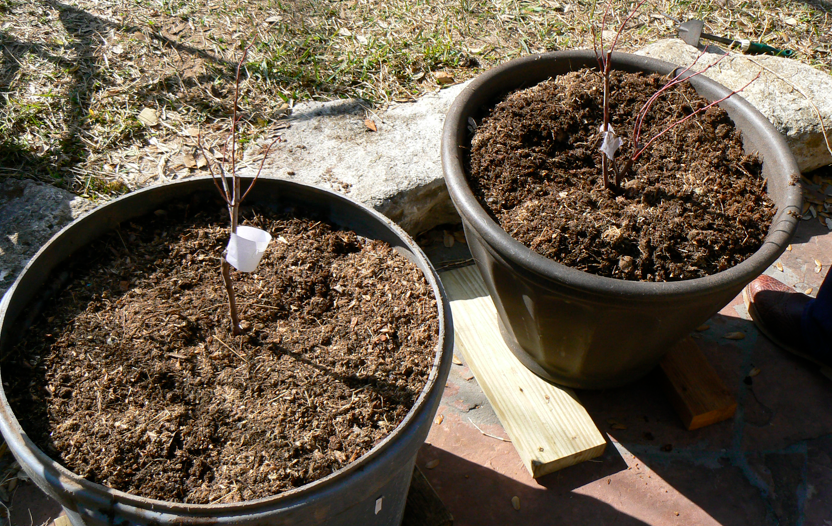
I just received my blueberry shipment yesterday, and was anxious to plant. I ordered 14 blueberry 2-3 foot tall plants (climax, premier, brightwell, and delight varieties). Blueberries like a little acidity and do very well in the southeast Texas well drained sandy soil. We will put most of the plants in the ground in Livingston, but I wanted to have a couple here in San Antonio in pots.
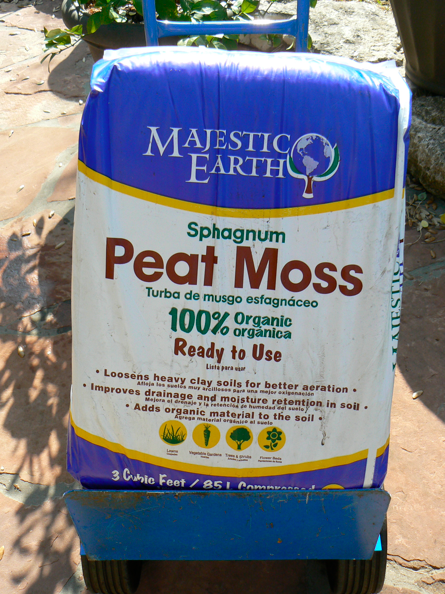
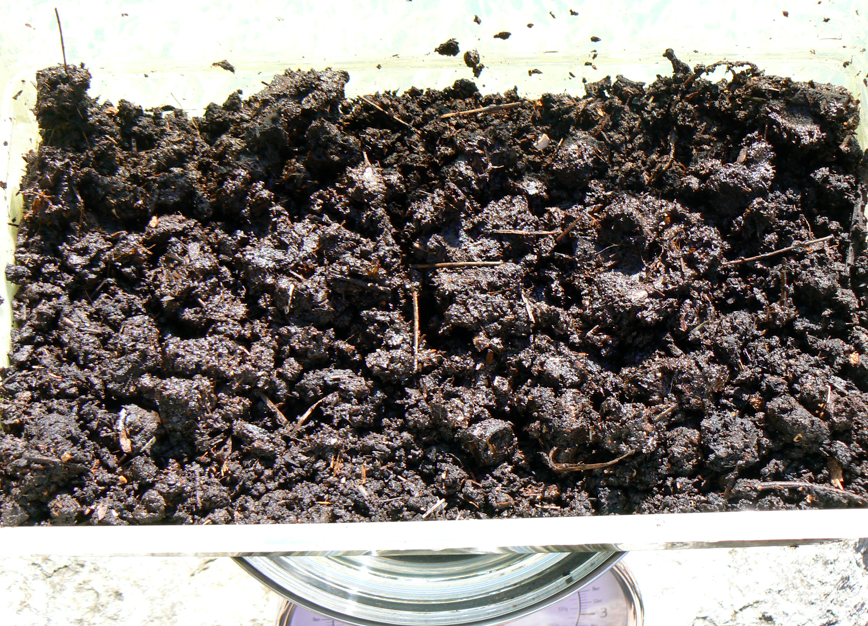
My blueberry potting mix: Sandy southeast Texas soil, peat moss, worm castings, and finished compost.
For the two plants I split 4 lbs of Texas red worm castings that I placed near the roots, not mixed like the other components. Worm castings are an outstanding fertilizer to support root growth and development.
These plants should produce a few berries early this Summer, but we will pick them early to yeild a better crop in the second year.
I chose a large container, and repurposed an empty syrup tub that we use to feed cows.
In San Antonio, the last week has been pretty chilly for us. Lows below freezing and highs in the 40s- and 50s.
The rain let up Sunday afternoon, and I slipped outside to feed my worms and turn the compost pile.
Interesting find. I feed my worms a combination of composted horse/cow manure, vegetable scraps, and coffee grounds from my compost bin and piles. Above is a picture of one of my compost bins where I found hundreds of tiny earthworms. Temperatures in a compost pile can reach upwards of 150 F, therefore usually too hot for worms. The freezing temperatures and rain have cooled things down, and have attracted hundreds of earth worms. The moisture and cool air have provided the right conditions to hatch some eggs.
Earthworms or European night crawlers are what you will find in your yard. They eat and break down organic matter in the ground. Depositing beneficial castings as they burrow through the soil, aerating and fertilizing along the way.
Thanks to Sasha Kodet and the San Antonio Botanical Garden for referring TexasRedWorms.com.
The San Antonio Botanical Garden will be hosting several workshops this Spring through NEISD Community Education for kids and adults. 2011 Spring Calendar
The Botanical Garden is a great place to take the kids for a fun and learning. My mother in law loves the Texas Native Trail.
Texas Native Trail
The Native Texas Trail is a unique aspect of the San Antonio Botanical Garden. This area consists of plant communities characteristic of the Hill Country (Edwards Plateau), East Texas Piney Woods, and South Texas. These three distinctive and diverse ecological regions of Texas vary in soil, plant life, topography, and weather. The authentic botanical setting is enhanced by several early Texas houses, which have been reconstructed on the site to help illustrate and interpret the regional theme.
Better yields, better tasting fruits and vegetables are the result when you fertilize w/ red worm castings. Worm castings contain loads of calcium, phosphorus, nitrogen, and potassium. Other micro and macro nutrients are present that support and develop superior root structure, to plants fertilized w/ commercial fertilizer. Even though highly concentrated, worm castings will never burn plants like synthetic fertilizers can. Benefits of fertilizing with worm castings include healthier plants, healthier fruits and vegetables, and cost savings.
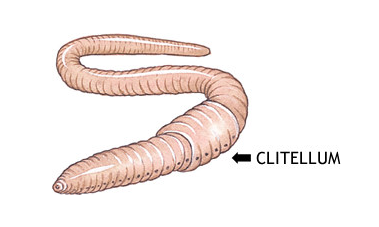
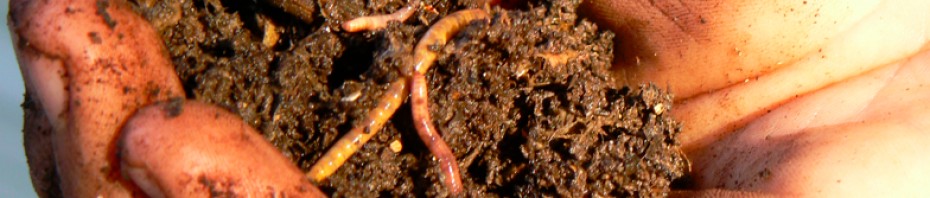
I decided to check in on a bin I had set up with only 10 red worm eggs, November 28, 2010. To my surprise, I found several worms quickly, and the largest was this 3.5″ monster pictured above. There was a visible clitellum, which means they have reached sexual maturity.
Red Worms will usually reach reproductive maturity in 2-3 months. Red Worms are hermaphroditic, and come equipped with both male and female reproductive organs.
This little experiment is proving out that your starting number of red worms is less important than providing the right environment for your worms.
Temperature: 40F-80F
Moisture: Damp but not wet- think of a wrung out sponge
Feeding: Simulate their natural environment (manure piles, decaying leaf piles) Feed in one part of bin when food is gone. Worm food includes: vegetable scraps, egg shells, coffee grounds, herbivore manure.