Cold Hardiness of Worms

21 Feb

WIth temperatures dipping into the mid-20’s and a wind chill well below, I transported several pounds of red worms and european nightcrawlers in the back of a pick up from San Antonio through Houston to southeast Texas.  I knew it was going to get cold, but the forecast for San Antonio was way off.  When planning our trip, the most recent weather reports called for morning temperatures in the mid-50’s.  Thank God for the cold hardiness of these worms.  We finally reached our destination and the 6 hours the worms spent in small bins exposed to these temperatures I feared I would have lost many of the worms.  Temps. in bins dipped well below freezing.

Fortunately, both species (europeans and red wigglers) recovered just fine.  Even the smaller juvenile worms were actively working the next day, as I checked the bins and got them to 50F.

God bless these little guys who prove over and over their resilience in some less than ideal conditions.  I don’t recommend testing the limits, as I typically keep them fairly protected (indoors when possible, the garage, and worm beds several inches underground).

Keys to worm farming success.

14 Feb

A proper set up, and a little planning is all you need to be a successful worm farmer.  In no time you’ll be making more bins, and harvesting valuable castings for your soil and plants from garbage that your family produces.  Red worms are rapid breeders, and can lay an egg every 7 days.  Because they breed so fast in good conditions, focus on their environment, and you will have more worms than you know what to do with.  I started 4 years ago with a medium sized drink cup worth of worms that wasn’t even full.  I sputtered for a bit until I dialed in the right conditions for their bin.  Soon after I got it right and 1 bin became 2 and there is no telling how many worm beds and bins I have started.  So how many worms you start with is not important, but how you start is critical for success.

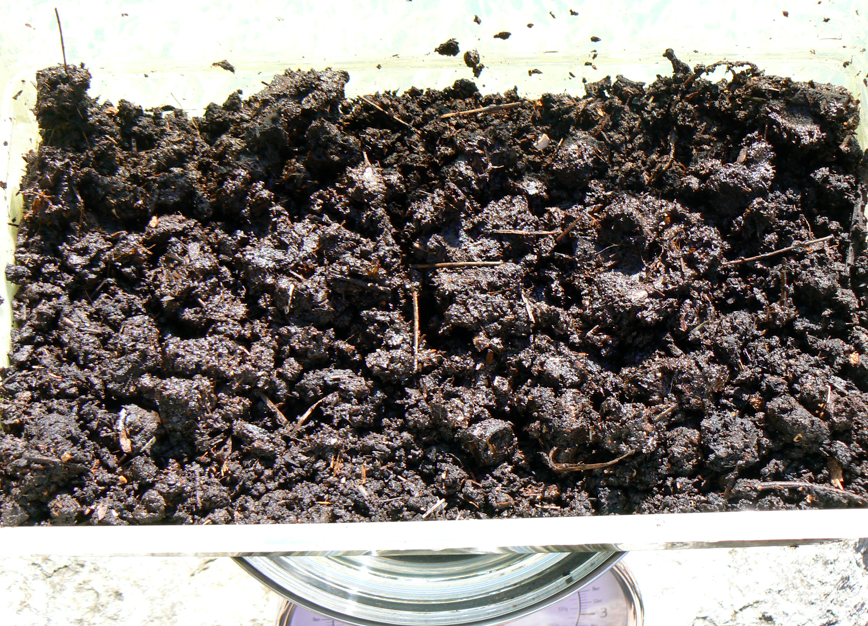
On another note, I harvested the castings from one of my starter (shoebox size) farms this weekend that I started on 11/28/10 with 10 eggs.  This experiment proved that a healthy bin will produce great results.

For first time worm farmers I recommend my starter farm $40 that will give you a headstart on producing castings and more worms than just purchasing a pound of worms. An established environment with reproducing worms from egg to adult, and will out produce a worm purchase alone.  Worm farming is easy, but you must get a few things right.  The right kind and amount of food, the right temperature, the right moisture, and the right amount of room.  BIns should mimic their natural environment, a cool, dark, moist space with decaying organic matter.

The TexasRedWorms.com starter farm in most cases,will need to be split in about a month.  Splitting bins when they grow out of their current one is important, because when conditions are right the only limit to the worms reproduction is space and available food.

I recommend keeping the starter bin as a breeding bin, and starting new bins from your harvest.  When you have a bin that is producing, you can then experiment with other set ups (larger bins, worm beds, pits, trenches, worm towers,and more) .

Have fun, and Happy Valentine’s Day.

Texas Worm Harvester (part 3)

8 Feb

The sun was shining and the arctic blast of 2011 broke this weekend for the first run of the Texas Worm Harvester.  I ran a couple hundred pounds of compost through the rig and had some good results.  I had enough time to run a few of my red worm bins with the same success.  I put together a fairly rough video of the project, and welcome any questions.  Let me know if I can help you with your very own version.

Texas Worm Harvester (part 2)

5 Feb

Just about to have v.1.0 of the Texas Worm Harvester in operation.  This one isn’t going to win any beauty contests or craftsmanship awards, but I think it’s going to get the job done.  All the lumber I used was left over from previous projects, and I had to buy just a few bolts and nuts. I still have to finish attaching the hardware cloth, but thought I would share a couple of shots before it’s in production.

We are expecting a break in this “cold for Texas” snap and are planning on temps in the low 60’s tomorrow.  My SuperBowl weekend plans are set, and harvesting some worm castings is at the top of the list.

Fishing worms

4 Feb

Red worms are excellent for fishing bait. They (eisenia foetida) are active wigglers, and a little smaller than their earthworm or European nightcrawler (eisenia hortensis).

The smaller size of the red wiggler allows them to fit nicely on various sizes of hooks, and they don’t require pinching in half like the larger nightcrawler.  Sometimes referred to as trout worms red worms are a great bait for fishing rivers, lakes, and streams.  Even in cold water temps. these worms provide lots of action on your hook for long periods of time.

We also have European nightcrawlers available if you would prefer a larger worm for your hook.

If your are in the San Antonio or Lake Livingston area come by and pick some up, or we can ship, usually in a couple of days.

Texas Worm Harvester

1 Feb

I have spent several months researching worm harvesters, and looking at designs.  I began construction on mine yesterday.  Thanks to Bruce at wormcompostingblog.com for sharing his plans on his drill powered model.

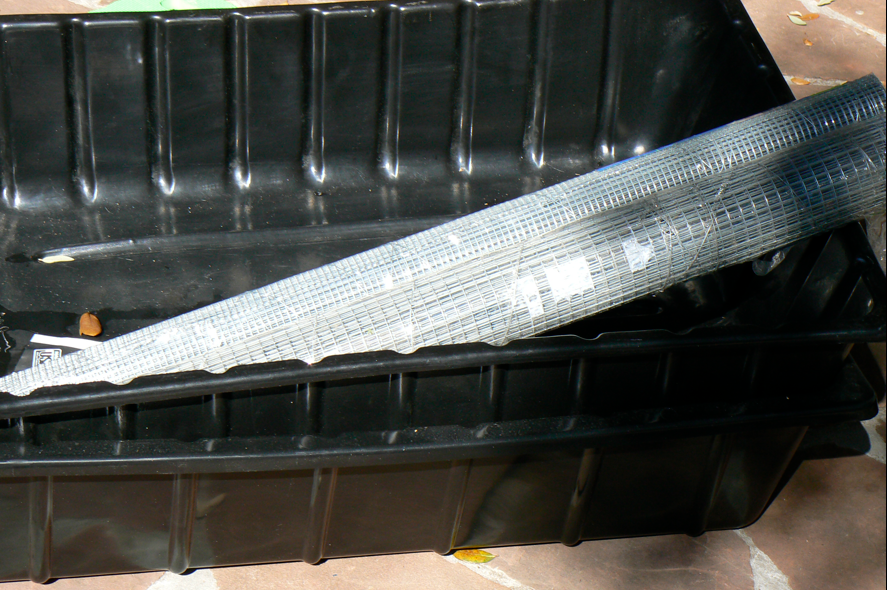
The most expensive materials I have purchased are two plastic tubs at $12.51 each, and rolls of 1/4″ and 1/2″ galvanized hardware cloth at $17.97 and $16.97 respectively.

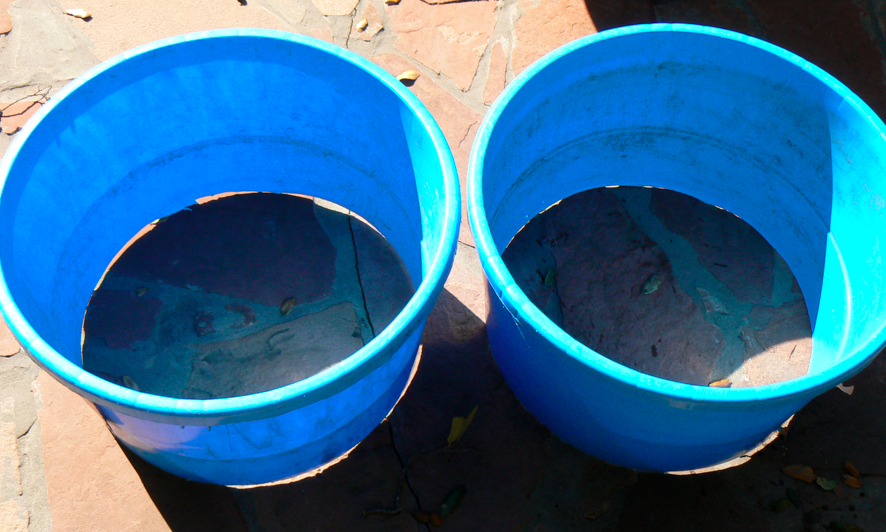
I have some empty syrup tubs on hand from feeding cows that I used some tin snips to cut the bottom out of that will serve as the end pieces of the tumbler.  I will wrap the hardware cloth around these.

I had a 3/4″ piece of galvanized pipe that will be my center axle.  The struts are 2X4 pieces cut to fit the tubs, that will stabilize the turning of the axle.  I pre-drilled and attached with a lag bolt.  The other pieces of galvanized pipe and 90 degree elbows I had to purchase to make the crank.

Stay tuned to see how I built the housing and rest of the Texas Worm Harvester.

Happy Birthday!

27 Jan

TexasRedWorms.com wishes Marc McClendon “Uncle Macky” a very Happy Birthday!  Included a picture of the little red worm we named after the birthday boy. Happy Birthday Marc and “Little Macky”!

Red Worm Egg Production

27 Jan

In this avocado I caught this red worm laying an egg.  I grabbed the camera a little late, but you can see the worm and egg that was layed.  Red Worms are prolific in good conditions.  They are hermaphroditic and have both male and female reproductive organs.  The worms will exchange fluid and can lay an egg every 7 days.  The cocoons or eggs can contain 4-20+ baby worms.

You can save money, reduce waste, and benefit your plants with a red worm farm.  It requires very little effort and space.  Your TexasRedWorm starter farm can be kept under a sink, in a closet w/ no smell.  Just add your coffee grounds, paper/ cardboard waste, fruit and vegetable scraps, and let the worms do the work.  They will turn your trash into a rich natural fertilizer that you can add directly to your lawn or plants.

Composting made simple

26 Jan

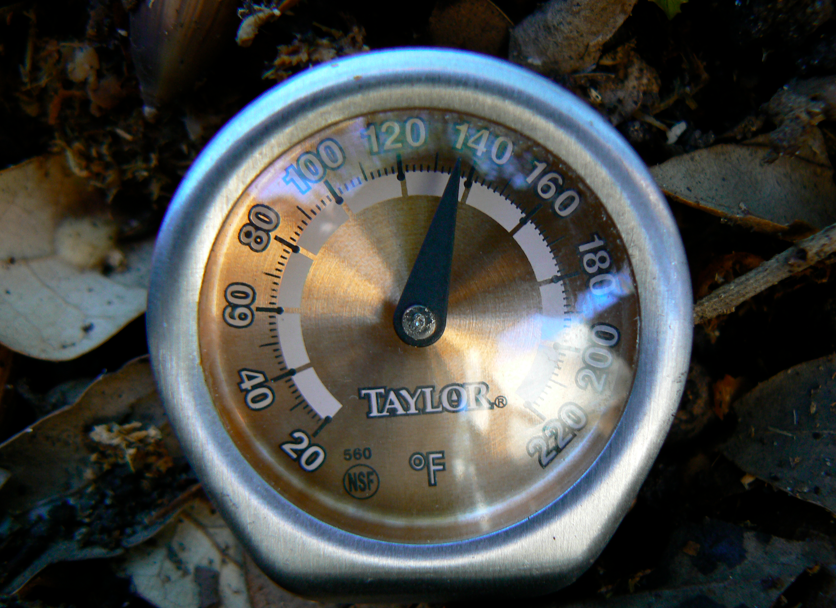
“Winter” is a relative term, and your winter may be somewhat more harsh than ours in Texas.  For more severe or colder winter composting it is possible to maintain an active outdoor compost pile.  It froze last night in San Antonio, but my compost pile was a toasty 135F just 5″ from the top.  Optimal temperatures for composting range from 135F-160F.  The heat is generated from microbial activity that is breaking down the organic waste.

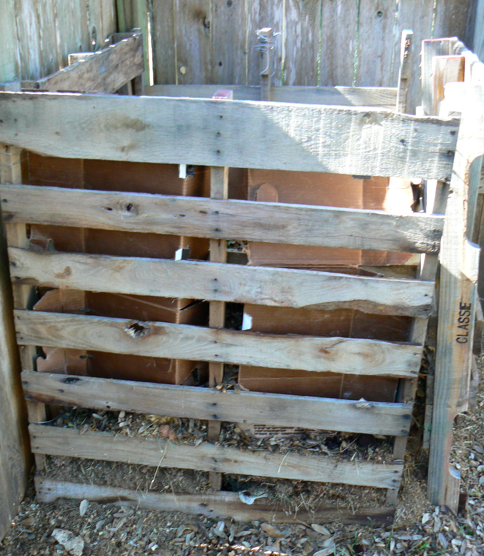
Composting is an easy and inexpensive way to produce your own natural fertilizer.  You can purchase tumblers, composting bins, and containers designed especially for composting, or you can also build one yourself for free.  I acquired for old wooden pallets from my friends at Murphy Tomatoes, and simply wired them together in a square.

There is a ton of science behind the composting process, and some folks really get into that.  I like to keep things simple. After you decide whether to pile, or use a container (build or buy), there are 3 basic things you need. Compost is alive, and the organisms that are active in the process need Food, Air, and Water:

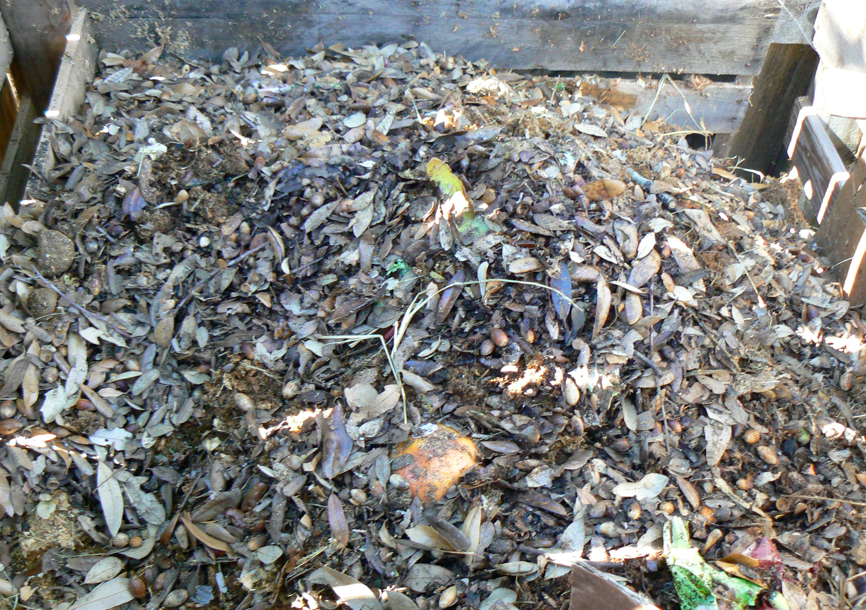
Food: I have added leaves, vegetable waste, horse and cow manure, and coffee grounds in layers.

Air: Periodically, mix up the composting material.  The microbes need oxygen to work.

Water: Depending on how much rainfall you have, you will need to water your pile.  If it’s dry add, water your compost.

If your compost pile is cool or inactive you can usually fix the problem by adding one or all of the three (food, water, air)

Planting Blueberries w/ worm castings

19 Jan

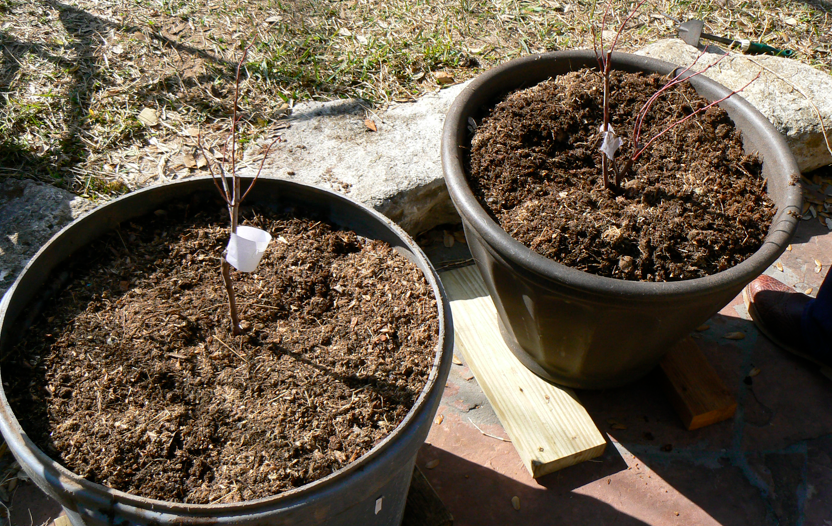
I just received my blueberry shipment yesterday, and was anxious to plant.  I ordered 14 blueberry 2-3 foot tall plants (climax, premier, brightwell, and delight varieties).   Blueberries like a little acidity and do very well in the southeast Texas well drained sandy soil.  We will put most of the plants in the ground in Livingston, but  I wanted to have a couple here in San Antonio in pots.

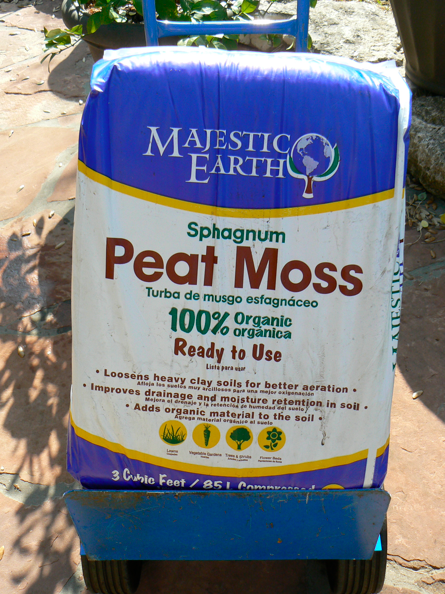
My blueberry potting mix: Sandy southeast Texas soil, peat moss, worm castings, and finished compost.

For the two plants I split 4 lbs of Texas red worm castings that I placed near the roots, not mixed like the other components.  Worm castings are an outstanding fertilizer to support root growth and development.

These plants should produce a few berries early this Summer, but we will pick them early to yeild a better crop in the second year.

I chose a large container, and repurposed an empty syrup tub that we use to feed cows.