Tag Archives: add beneficial microbes to your soil

Worm Composting Bins and Garden Worm Tubes

31 Mar

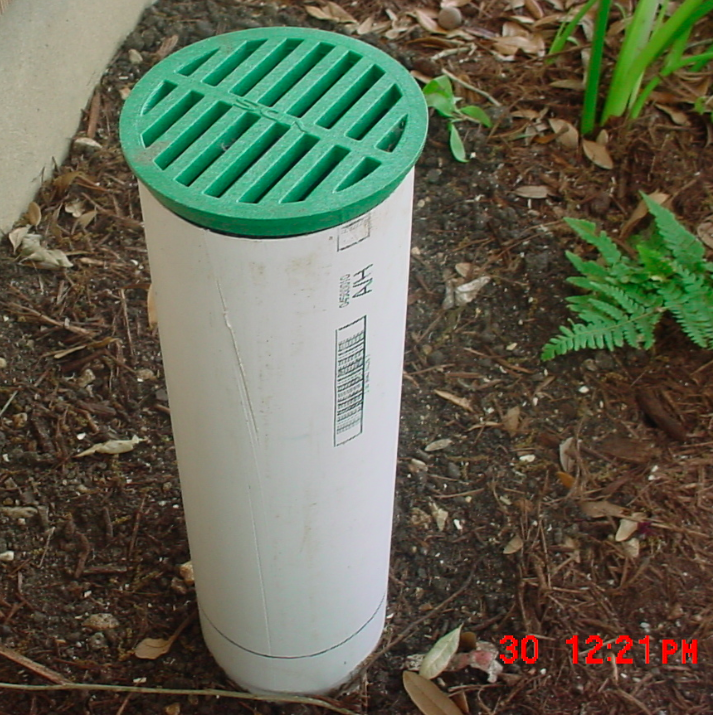
Brian in San Antonio was kind enough to share some pictures of his worm tubes that he placed under the eves of his home and buried about 18″.  He drilled several holes in the  bottom 18″ buried portion of the pipe for drainage.

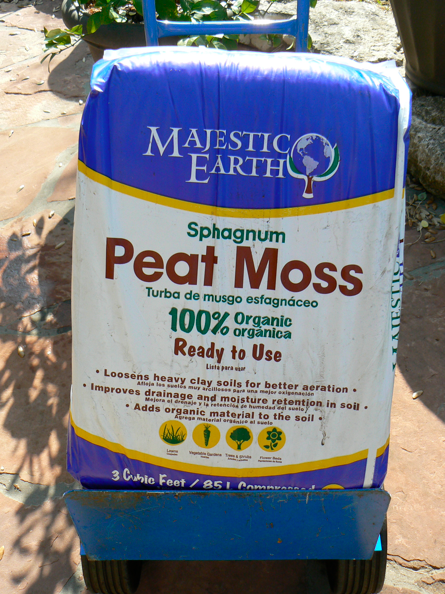
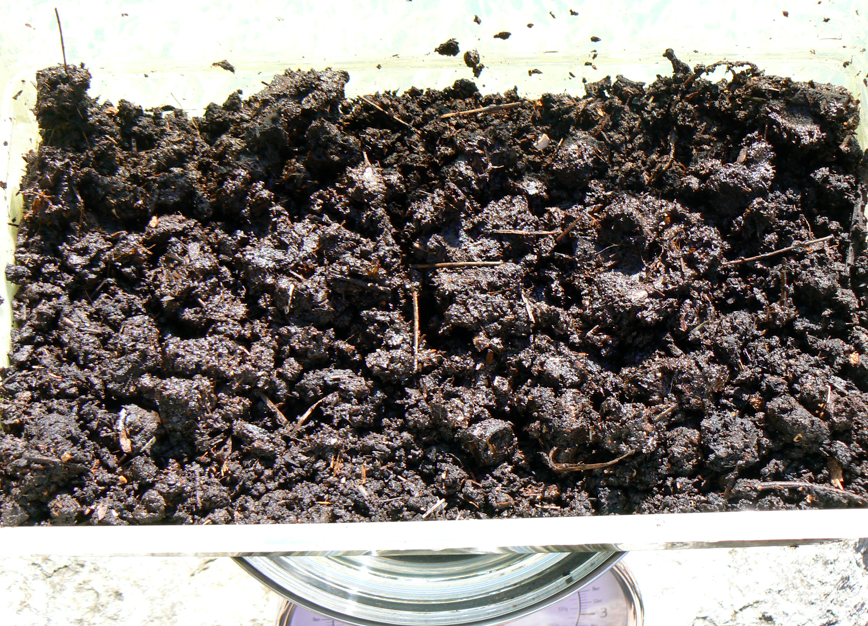
I just wanted to thank you for your help and encouragement starting worm composting. I went ahead and mixed 50-50 cow manure and peat moss in my tube and added a hand full of your red worms, and built a two bin system for the rest of the worms. two worm I added to my potted pineapple plant as an experiment. I figured I’d let the worms settle in for 3-7 days before adding vegetable mater. take a look at my pictures   and let me know what you think. thanks again brother. BRIAN

Here are some more pics of his two bin system.

Above: drainage bin to catch excess moisture from worm composting bin.

Thanks to Brian in San Antonio for sharing your pics and ideas.

Let us know if you have any questions about composting w/ worms.  Red Worms, European Nightcrawlers, and Alabama Jumpers available at TexasRedWorms.com for composting, gardening, and fishing. For more tips on what to do when you receive your worms check out our Care of Worms section.

Alabama Jumpers in Texas

28 Mar

I have been experimenting for a little over a year with the Alabama Jumper, sometimes referred to as the Georgia Jumper, or in this case Texas Jumper. The scientific name of which being Amynthas agrestis.  Now that that’s out of the way, this Jumper isn’t even originally from Alabama?   As a matter of fact, it is believed to hail from Asia.  How about that?  This aggressive and super strong worm can and will jump right out of your hand.  This super strength makes it a powerful tunneler, and allows it to burrow through some of the hardest packed clay soil.  This worm is a hot item, and is in high demand by gardeners everywhere for these reasons.  European nightcrawlers, African nightcrawlers, and Red Worms, are all great, but the Alabama Jumper can go to work in clay and sand unlike the other varieties.  I have experienced it’s power first hand, and been amazed at it’s strength and ability to work through some hard soil.  In San Antonio, we’ve got some pretty tough clay, and I have seen these Jumpers perform mightily in it.  I too have read all the hype about this worm, and it is the real deal.  The Alabama Jumper is great for people that want a worm to go to work in their soil, garden, or flowerbeds.  For composting, producing castings, or fishing I would recommend the others.

I have been trying various methods of raising the Alabama Jumper for over a year, and have had success with raising them in bins, as well as, worm beds or pits.  They are reproducing in both environments, and I have a limited amount available for sale.  Call for availability.

Harvesting Worm Castings w/ a Homemade Sifter

23 Mar

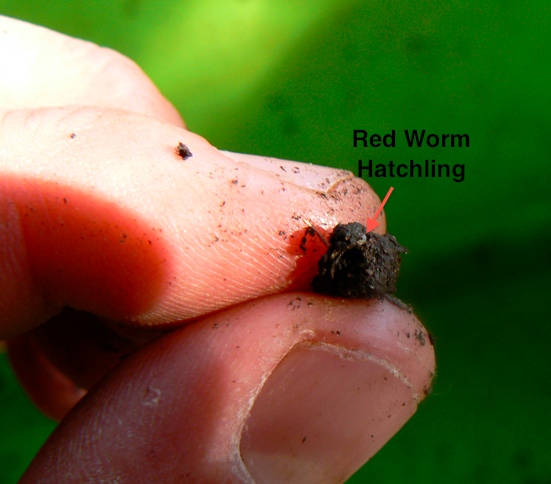
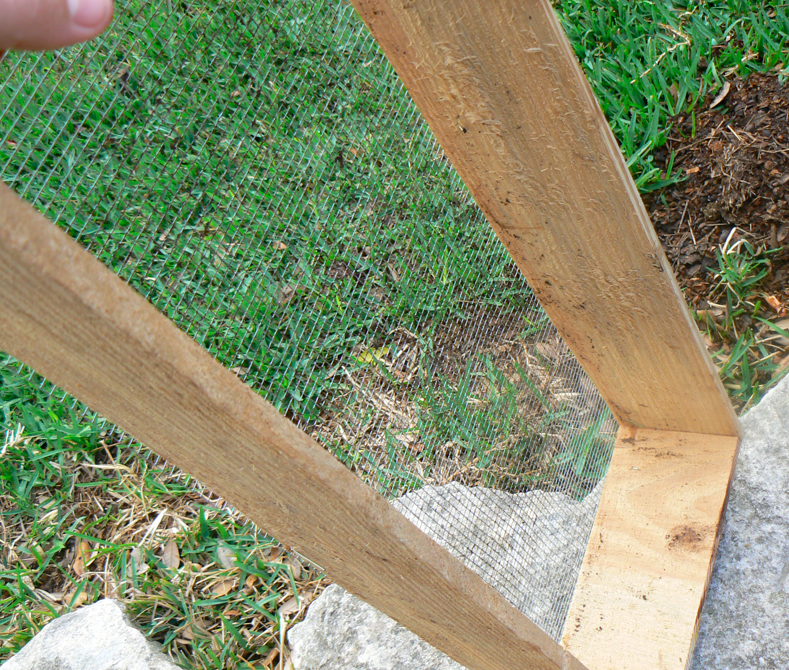
For large jobs of sifting worms from castings or compost I use my Texas Worm Harvester, but for smaller jobs I have built a small box sifter.  With some scrap materials,  and the left over 1/4 inch wire mesh I had I put together this sifter.  I have also seen where other worm farmers use 1/8 inch screen, for my use I have found the 1/4 inch to do just fine.  Separating worms from castings using this or the harvester method is the first step I take and removes most of the worms are course unprocessed organic matter.  I do spend time picking out tiny worms and eggs, but losing a few is not a big deal.  Here is a picture of a tiny hatchling that I found while harvesting castings.  As you can see, or maybe not, these little guys are hard to find.  This little thread of a worm was wiggling which made him easier to see.

Compost Tea Time

18 Mar

This afternoon I began brewing up about 70 gallons of compost tea with worm castings I recently harvested.  In about 12 hours my brew will be ready to apply to my plants and yard.  If you are in the San Antonio area, and can pick up, I’ll be giving a gallon of actively aerated vermicompost tea away with a TexasRedWorm.com purchase.  An application of compost tea will add life to your soil with beneficial micro organisms that will fight disease and pests, as well as, boost your plants growth.  Active aeration prevents harmful anaerobic bacteria and other non-beneficial microbial activity.  Applying compost tea within a few hours is best, after a few hours the brew begins to go anearobic.

Here’s a link for a recipe.

Be aware of store bought compost tea products claims that are sitting on the shelf.  These products will not be aerobic and will not contain many of the benefits (beneficial microbes that require Oxygen) that are associated with actively aerated compost tea.

Worm Castings: the Best Fertilizer for the Garden

16 Mar

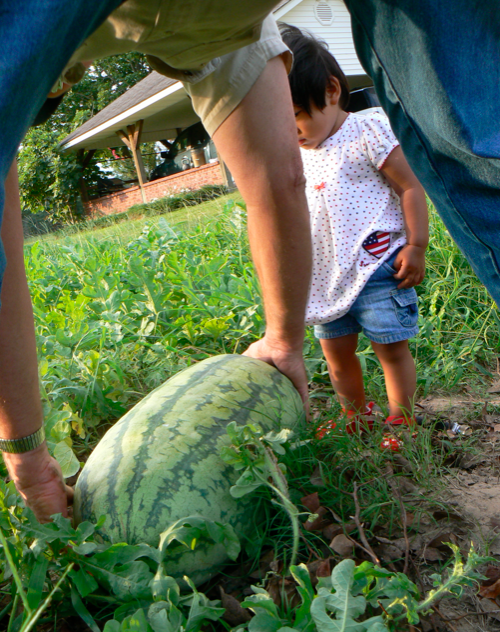
Spring time means it’s time to plant.  The whole family pitched in helping my parents with the garden. My niece and dad are pictured above planting the watermelons.  I supplied the worm castings, and a little hoeing to help out.

Worm castings are one of the benefits to raising your own worms.  Composting food waste with worms will give you your own organic fertilizer.  All natural fertilizer that strengthens roots of plants, improve disease resistance, and makes better tasting vegetables.  Check out these links for additional information and benefits from gardening with worm castings.

wormcompostingblog.com

wormsetc.com

tastefulgarden.com

We’ll be looking forward to some more tasty vegetables from the garden this year.

Texas Worm Harvester (part 4)

10 Mar

After several weeks and hundreds of pounds, I have made a few modifications to my worm harvester.  The first thing I did was replace the 1/2 inch hardware cloth w/ 1/4 inch screen throughout.  The 1/4 inch screen keeps the majority of the worms out of the catch tubs and sends most worms to the end bucket along w/ the larger sized material.  I still have to spend some time picking through the worm castings for eggs and baby worms.  Using this method I have been able to speed up the process of separating worms from castings considerably.

Another change I made was adding a scrap piece of particle board to the front end to make loading easier and to prevent back flow.  The only other modification was to tweak the angle slightly.  I have the end pieces bolted so that I can adjust the height, also I can add blocks underneath to change the level.

Outdoor worm bed question?

8 Mar

Thanks to Chris from Arkansas who sent in a great video question via email.

My response:

Looks like a great spot to build a worm bed. (Pick a shaded area that can be kept moist, well drained, with decaying organic matter.)

You can do either:
If you bury your plastic bin, be sure the bottom of the tub is either removed or has lots of good sized drainage holes.  You could also dump the contents of your plastic bin into the flower bed.  For added protection from drying out, and critters you can cover with a few layers of damp newspaper, cardboard, straw, mulch, old carpet, or plywood.
Or you can do both:
Bury your red wiggler bin.  Use the rest of the space for European nightcrawlers (Eisenia hortensis), or other species.  By building up organic matter you can attract your native earthworms and/or supplement with some purchased worms.   You can keep tabs on your red worm population, and watch the locals come to feed.  I have done this in a couple of flower beds, and it seems to work well.  The red worms will not stray and stay close to the food source.  The earthworms (European nightcrawlers) tend to spread out more which is great for surrounding soil.  Keeping your bed moist and full of organic matter will attract them and keep a fair amount close to home.
Hope that helps.
Red Worms– (Eisenia foetida) top feeders, composting worms, extremely prolific.
European Nightcrawlers– (Eisenia hortensis) deeper feeders, great for aerating lawn and garden, can also be used for composting.
Both Red worms and European nightcrawlers can be used to reduce household waste, accelerate the composting process, as well as, add nutrient rich natural fertilizer to plants, grass, and garden.

Red Worm Egg Production

27 Jan

In this avocado I caught this red worm laying an egg.  I grabbed the camera a little late, but you can see the worm and egg that was layed.  Red Worms are prolific in good conditions.  They are hermaphroditic and have both male and female reproductive organs.  The worms will exchange fluid and can lay an egg every 7 days.  The cocoons or eggs can contain 4-20+ baby worms.

You can save money, reduce waste, and benefit your plants with a red worm farm.  It requires very little effort and space.  Your TexasRedWorm starter farm can be kept under a sink, in a closet w/ no smell.  Just add your coffee grounds, paper/ cardboard waste, fruit and vegetable scraps, and let the worms do the work.  They will turn your trash into a rich natural fertilizer that you can add directly to your lawn or plants.

Planting Blueberries w/ worm castings

19 Jan

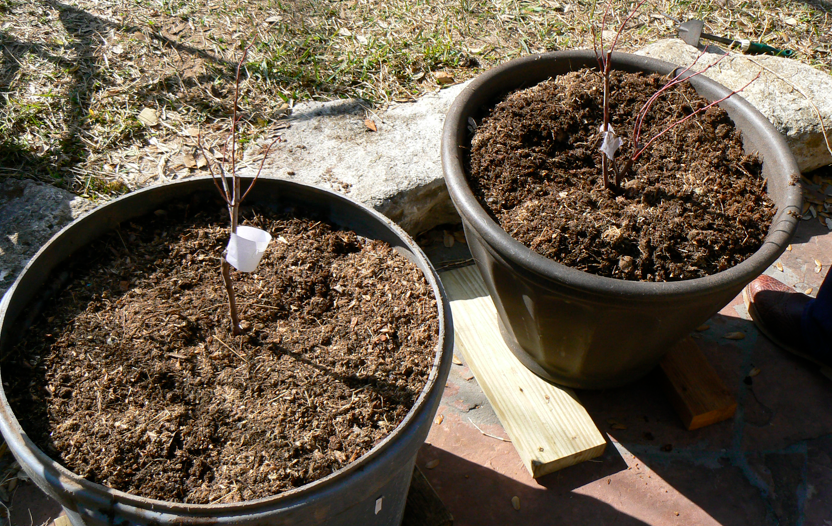
I just received my blueberry shipment yesterday, and was anxious to plant.  I ordered 14 blueberry 2-3 foot tall plants (climax, premier, brightwell, and delight varieties).   Blueberries like a little acidity and do very well in the southeast Texas well drained sandy soil.  We will put most of the plants in the ground in Livingston, but  I wanted to have a couple here in San Antonio in pots.

My blueberry potting mix: Sandy southeast Texas soil, peat moss, worm castings, and finished compost.

For the two plants I split 4 lbs of Texas red worm castings that I placed near the roots, not mixed like the other components.  Worm castings are an outstanding fertilizer to support root growth and development.

These plants should produce a few berries early this Summer, but we will pick them early to yeild a better crop in the second year.

I chose a large container, and repurposed an empty syrup tub that we use to feed cows.

Best Meyer Lemons yet w/ Worm Castings

8 Jan

Better yields, better tasting fruits and vegetables are the result when you fertilize w/ red worm castings. Worm castings contain loads of calcium, phosphorus, nitrogen, and potassium.  Other micro and macro nutrients are present that support and develop superior root structure, to plants fertilized w/ commercial fertilizer.  Even though highly concentrated, worm castings will never burn plants like synthetic fertilizers can.  Benefits of fertilizing with worm castings include healthier plants, healthier fruits and vegetables, and cost savings.