Tag Archives: organic fertilizer

Red Worm Egg Production

27 Jan

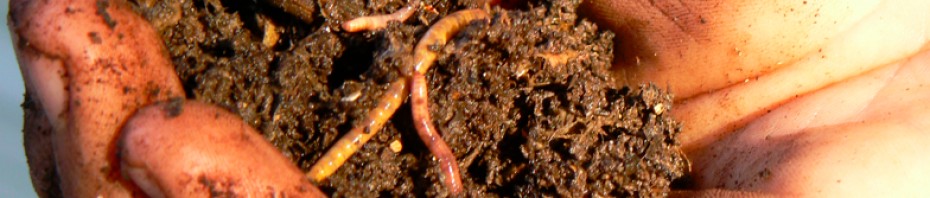
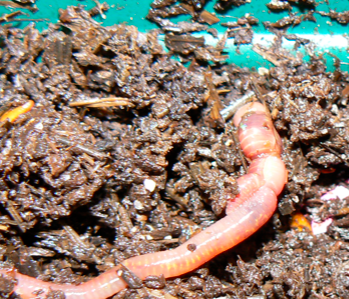
In this avocado I caught this red worm laying an egg.  I grabbed the camera a little late, but you can see the worm and egg that was layed.  Red Worms are prolific in good conditions.  They are hermaphroditic and have both male and female reproductive organs.  The worms will exchange fluid and can lay an egg every 7 days.  The cocoons or eggs can contain 4-20+ baby worms.

You can save money, reduce waste, and benefit your plants with a red worm farm.  It requires very little effort and space.  Your TexasRedWorm starter farm can be kept under a sink, in a closet w/ no smell.  Just add your coffee grounds, paper/ cardboard waste, fruit and vegetable scraps, and let the worms do the work.  They will turn your trash into a rich natural fertilizer that you can add directly to your lawn or plants.

Planting Blueberries w/ worm castings

19 Jan

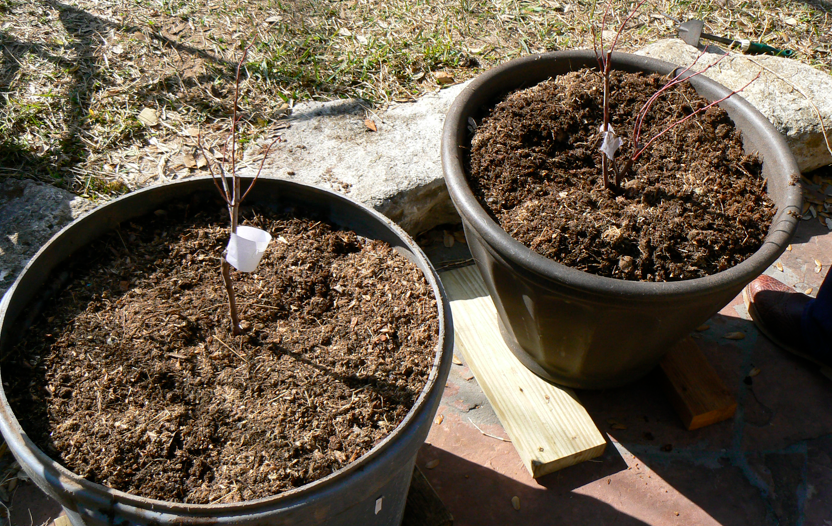
I just received my blueberry shipment yesterday, and was anxious to plant.  I ordered 14 blueberry 2-3 foot tall plants (climax, premier, brightwell, and delight varieties).   Blueberries like a little acidity and do very well in the southeast Texas well drained sandy soil.  We will put most of the plants in the ground in Livingston, but  I wanted to have a couple here in San Antonio in pots.

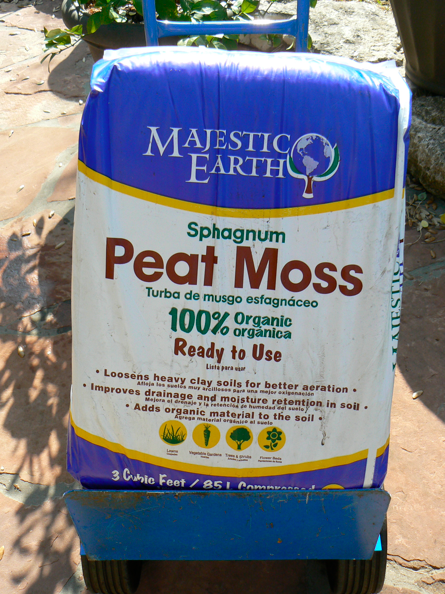
My blueberry potting mix: Sandy southeast Texas soil, peat moss, worm castings, and finished compost.

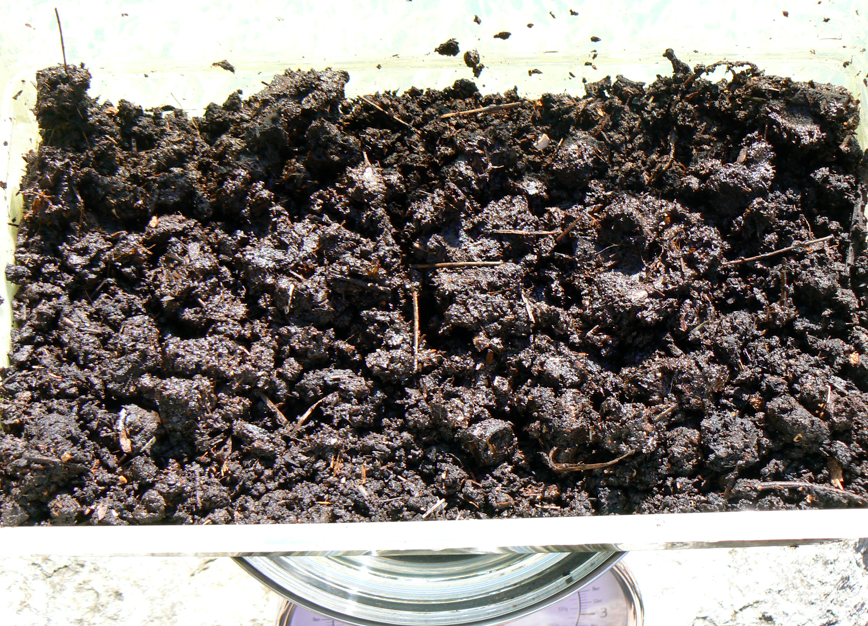
For the two plants I split 4 lbs of Texas red worm castings that I placed near the roots, not mixed like the other components.  Worm castings are an outstanding fertilizer to support root growth and development.

These plants should produce a few berries early this Summer, but we will pick them early to yeild a better crop in the second year.

I chose a large container, and repurposed an empty syrup tub that we use to feed cows.

Best Meyer Lemons yet w/ Worm Castings

8 Jan

Better yields, better tasting fruits and vegetables are the result when you fertilize w/ red worm castings. Worm castings contain loads of calcium, phosphorus, nitrogen, and potassium.  Other micro and macro nutrients are present that support and develop superior root structure, to plants fertilized w/ commercial fertilizer.  Even though highly concentrated, worm castings will never burn plants like synthetic fertilizers can.  Benefits of fertilizing with worm castings include healthier plants, healthier fruits and vegetables, and cost savings.

Baby Texas Red Worm

4 Jan

It’s January in Texas and temperatures are right for red worm cocoons to hatch.  Temperatures will dip just below freezing at night on occasion, but right now it’s 60F.  Red worms will do fine from 40F-80F.  Mine are kept at a pretty constant 60F this time of year, and they are doing wonderful. I snapped this picture early this morning as I peeked under the lid of one of my starter farms.

Tis’ the Season for RedWorms

2 Dec

December in South Texas brings Christmas time and with it some welcomed cooler temperatures ideal for red worm farming.  My red worms are loving this time of year, and are producing cocoons and castings like never before.

When harvesting castings or worms I have seen more “love knots” and cocoons than ever.  The picture above is of two red wigglers exchanging seminal fluid.  In ideal conditions red worms can produce a cocoon or egg sac every 7 days.  Each egg sac (depending on conditions) can hatch 4-20+ tiny red worms.

In this season of giving you can give a responsible gift that benefits everyone.  A red worm farm can compost those gift boxes, paper, and food wastet.  Vermicompost (worm manure) or castings that will nourish plants and soil and keep waste out of the landfill.  For families with little ones, red worms make a great learning gift that can teach kids responsibility and how to be good stewards of their environment.

Merry Christmas! from TexasRedWorms.com

Perfect time for Red Worming (Vermicomposting)

12 Nov

It’s always the right time to add compost to your soil, and always a great time to get started composting with Red Worms.  It’s Fall in Texas and the cooler weather is ideal for work outside and setting up your worm bed.

TexasRedWorms.com provides you the easiest way to start composting with Red Worms (vermicomposting) today.  Our shoebox sized Starter Farm provides everything you need to produce nutrient rich castings for your plants and soil, and a thriving breeding brood of red worms (eisenia foetida) nature’s best composter.

Check out our latest ad on Craigslist or just give us a call 210-310-5046.  If you are in the San Antonio or Livingston, TX area pick up can be arranged, or call for shipping information.

What to do w/ your Pumpkins after the Trick or Treating

2 Nov

The candy is gone and the festivities are over.  Instead of throwing those pumpkins out with the trash, add them to your compost pile or feed them to your red wigglers.  Composting and worm farming is fun for the whole family.  It is rewarding watching your food waste turn into dark and rich finished compost.  I just added some worm castings to my lemon trees, and am on the hunt for sad jack-o-lanterns around the neighborhood.

Compost tea benefits: Get rid of termites, fleas, ticks, chiggers, and more naturally.

10 Oct

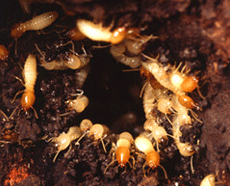
This weekend I took a visit to East Texas to work on some of our worm beds.  While loading manure from some piles to start a new worm bed, I noticed some termites in some fence posts, as well as, some fire ant mounds.  I have had success with compost tea applications before in controlling ants, grubs, and fleas.  So I started a small batch of tea with finished compost and some redworm castings.  I also did a little research to see if anyone had had any experience with termites and found this article.  Microbes like nematodes and bacteria can be amplified with a quality finished compost and brewed into actively aerated compost tea. Beneficial predators that can control and eliminate many pests.  So if you have a roach, ant, flea, tick, grub, cigger, termite or other problem chances are actively aerated compost tea can come to the rescue.

Compost “Sweet” Tea

1 Oct

I started brewing a batch yesterday afternoon of actively aerated red worm compost tea (red worm castings, unsulphured molasses, and rain water).

I have collected about 15-20 gallons of rain water to use over the last month or so.  Rain water, well water,  or water from other natural sources are the best choices to be used in your compost tea.  Tap water should be left out in the sun for a day or so to eliminate Chlorine. Next, I harvested some castings from my worms.  I use a mesh laundry bag for my tea bag.  Compost can be added to the water or steeped with a bag.  The tea bag eliminates the need to strain before putting in your sprayer.

Aeration- I’ve got a pond aerator pumping into the brew to supply plenty of O2 supporting beneficial microbial growth.

To make is “sweet” compost tea, I’ve added some unsulphured molasses to feed the beneficial bacteria.

This batch will be ready this afternoon.  I’ll put the finished product into a pump sprayer and apply to my plants.  It’s that easy to add beneficial microbes and add “life” to plants and soil.  Compost tea applications will reduce water consumption by plants, and add balance back to your yard and plants.  Beneficial microbes (bacteria, protozoa, fungi, and nematodes) can eliminate the need to aerate your lawn, the use of pesticides, and commercial fertilizer.

I will need about 5 gallons or a third for my use, and will be glad to share the rest.  I’ll be giving a gallon away with any worm purchase this weekend.  First come first serve.

Compost tea results

16 Aug

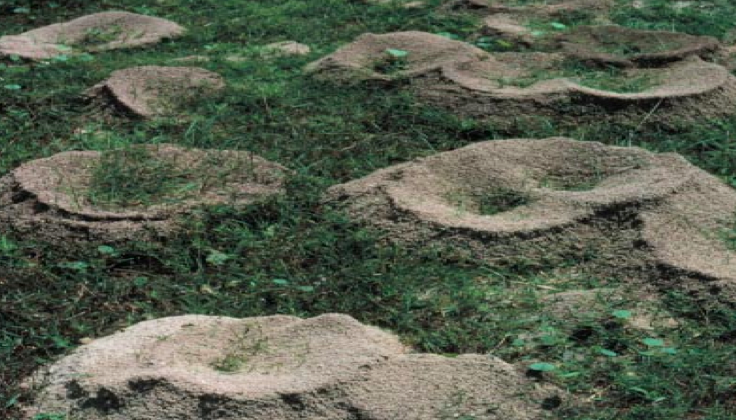
I had mentioned in my previous post that positive indicator for my compost tea application was to rid a section of our hay patch of ants.  The spot of concern has been infested for a few years with “town ants” or Texas leaf cutter ants.  Town ant hills were sprinkled throughout a 20 yard X 20 yard area.  The operative word being “were” because two weeks later the ant hills are vacant.

Beneficial microbes in compost tea are parasites to ants, fire ants, fleas, ticks, and chiggers.  I had had success in my lawn in getting rid of some of these pests with compost tea, but never on this scale.  This alone is encouragement enough for us to continue compost tea applications, and we’re looking forward to the next batch.