Tag Archives: worm bin composting

Girl Scouts of Southwest Texas Begin Worm Composting

25 Feb

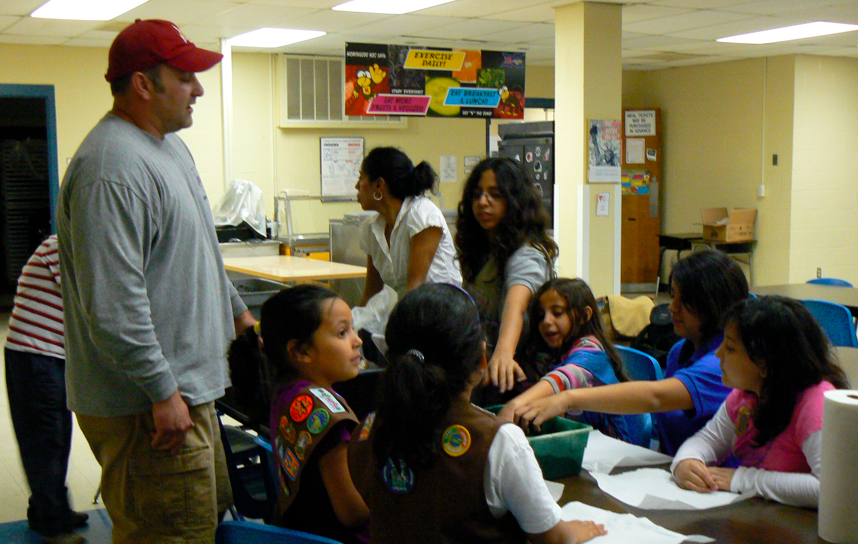
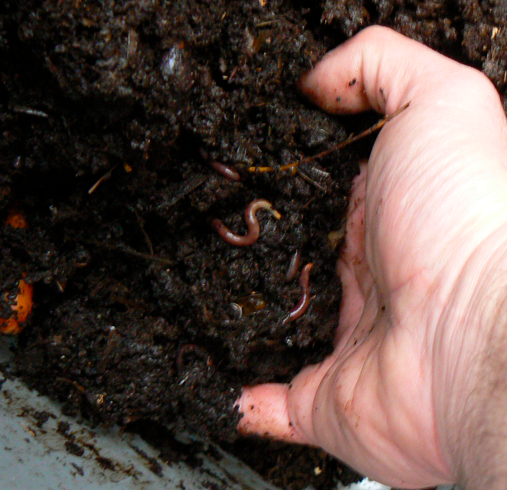
TexasRedWorms.com helped some San Antonio Girl Scouts get started composting with red worms.  The girls were very knowledgeable about the composting process, and were quick to get hands on with the worms and castings.  These scouts are working on badges, reducing waste, and making their homes and school better with worms.

Thanks to Magda Silva and the Girl Scouts of Southwest Texas!

European Nightcrawlers now available

23 Feb

European Nightcrawlers are now available at TexasRedWorms.com. They can be used for composting just like the red worm, but are a bit larger, stronger and are deeper tunnelers than the top feeding red worm.  Red Worms prefer piles of moist decaying organic matter (leaves, manure).

There are many different species of earthworm ranging in size and climate, most can be classified in one of two larger camps. The first being the deeper dwelling tunnelers (European Nightcrawler), and secondly the top feeding composters (Red Worm).  A lot of biologists claim that all earthworms have been introduced, from settlers bringing them in potted plants and so forth.  I have a hard time with that, but guess it could be possible.

Care for both worms is similar and they can even co-habitate. The nightcrawlers are able to be added directly to your garden, flowerbed, or lawn, while the red worms would not fare so well.  The red wigglers are more prolific smaller worm that will not scatter like the European nightcrawler, or Alabama Jumper.  Both are well suited for composting and bin raising, and care is identical.

European nightcrawlers are typically what you will find at bait shops, and grow thicker and longer than the red wiggler.  Both are active on a hook and will get the fish to bite.

Cold Hardiness of Worms

21 Feb

WIth temperatures dipping into the mid-20’s and a wind chill well below, I transported several pounds of red worms and european nightcrawlers in the back of a pick up from San Antonio through Houston to southeast Texas.  I knew it was going to get cold, but the forecast for San Antonio was way off.  When planning our trip, the most recent weather reports called for morning temperatures in the mid-50’s.  Thank God for the cold hardiness of these worms.  We finally reached our destination and the 6 hours the worms spent in small bins exposed to these temperatures I feared I would have lost many of the worms.  Temps. in bins dipped well below freezing.

Fortunately, both species (europeans and red wigglers) recovered just fine.  Even the smaller juvenile worms were actively working the next day, as I checked the bins and got them to 50F.

God bless these little guys who prove over and over their resilience in some less than ideal conditions.  I don’t recommend testing the limits, as I typically keep them fairly protected (indoors when possible, the garage, and worm beds several inches underground).

Planting Blueberries w/ worm castings

19 Jan

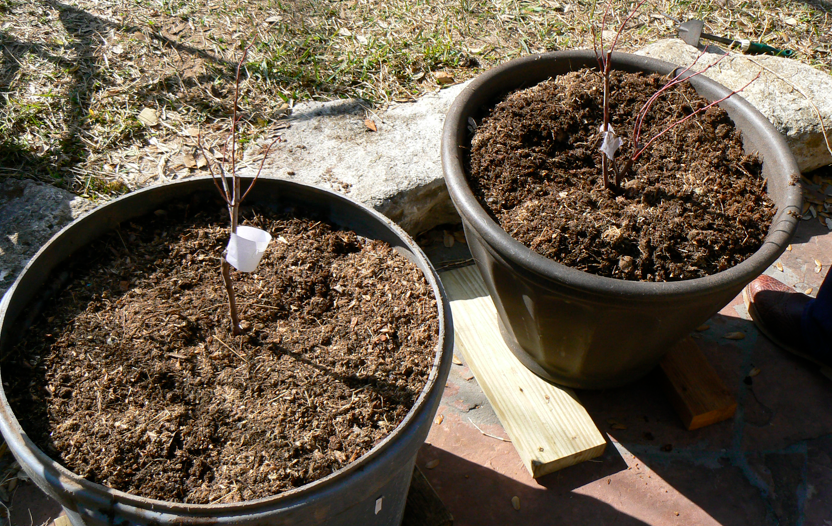
I just received my blueberry shipment yesterday, and was anxious to plant.  I ordered 14 blueberry 2-3 foot tall plants (climax, premier, brightwell, and delight varieties).   Blueberries like a little acidity and do very well in the southeast Texas well drained sandy soil.  We will put most of the plants in the ground in Livingston, but  I wanted to have a couple here in San Antonio in pots.

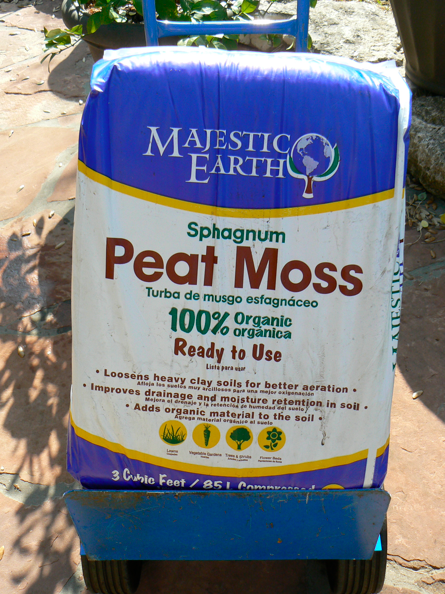
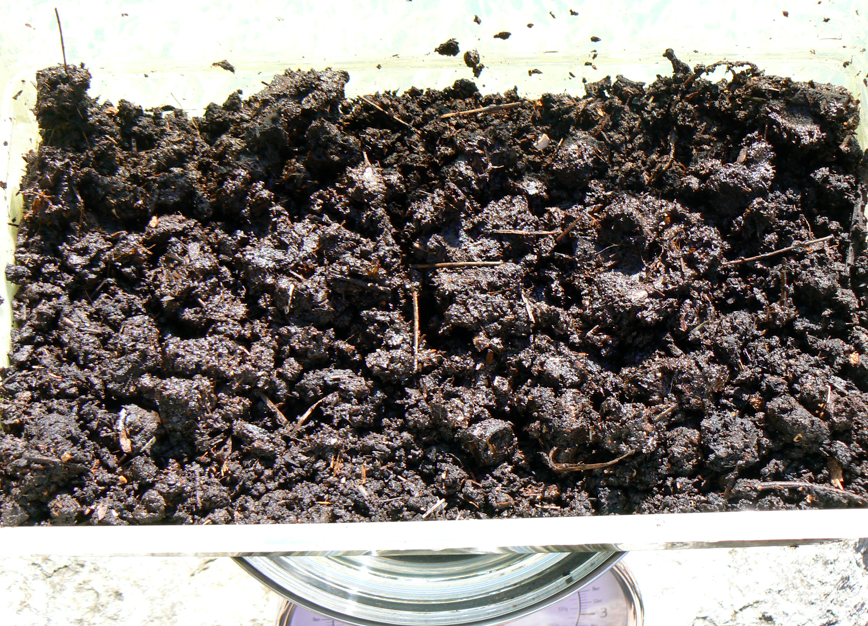
My blueberry potting mix: Sandy southeast Texas soil, peat moss, worm castings, and finished compost.

For the two plants I split 4 lbs of Texas red worm castings that I placed near the roots, not mixed like the other components.  Worm castings are an outstanding fertilizer to support root growth and development.

These plants should produce a few berries early this Summer, but we will pick them early to yeild a better crop in the second year.

I chose a large container, and repurposed an empty syrup tub that we use to feed cows.

Best Meyer Lemons yet w/ Worm Castings

8 Jan

Better yields, better tasting fruits and vegetables are the result when you fertilize w/ red worm castings. Worm castings contain loads of calcium, phosphorus, nitrogen, and potassium.  Other micro and macro nutrients are present that support and develop superior root structure, to plants fertilized w/ commercial fertilizer.  Even though highly concentrated, worm castings will never burn plants like synthetic fertilizers can.  Benefits of fertilizing with worm castings include healthier plants, healthier fruits and vegetables, and cost savings.

10 red worm egg experiment update

6 Jan

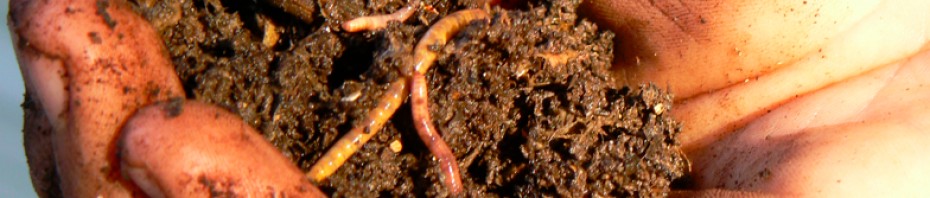
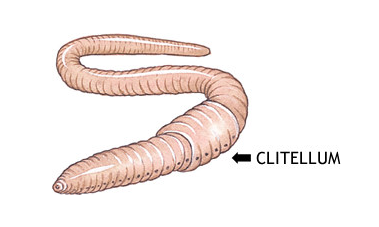
I decided to check in on a bin I had set up with only 10 red worm eggs, November 28, 2010.  To my surprise, I found several worms quickly, and the largest was this 3.5″ monster pictured above.  There was a visible clitellum, which means they have reached sexual maturity.

Red Worms will usually reach reproductive maturity in 2-3 months. Red Worms are hermaphroditic, and come equipped with both male and female reproductive organs.

This little experiment is proving out that your starting number of red worms is less important than providing the right environment for your worms.

Temperature: 40F-80F

Moisture: Damp but not wet- think of a wrung out sponge

Feeding: Simulate their natural environment (manure piles, decaying leaf piles) Feed in one part of bin when food is gone.  Worm food includes: vegetable scraps, egg shells, coffee grounds, herbivore manure.

Baby Texas Red Worm

4 Jan

It’s January in Texas and temperatures are right for red worm cocoons to hatch.  Temperatures will dip just below freezing at night on occasion, but right now it’s 60F.  Red worms will do fine from 40F-80F.  Mine are kept at a pretty constant 60F this time of year, and they are doing wonderful. I snapped this picture early this morning as I peeked under the lid of one of my starter farms.

Flow through Worm Bin

3 Jan

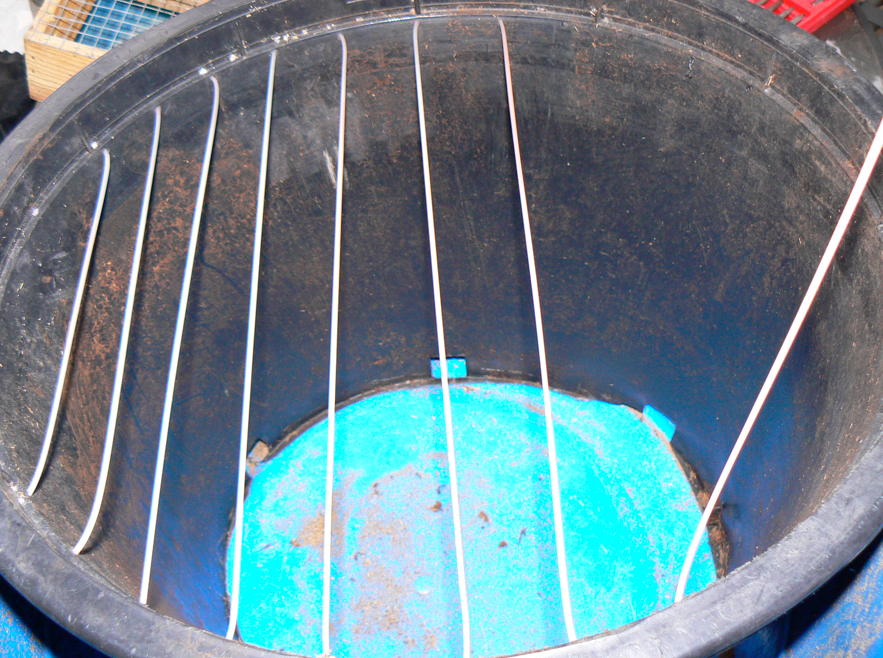
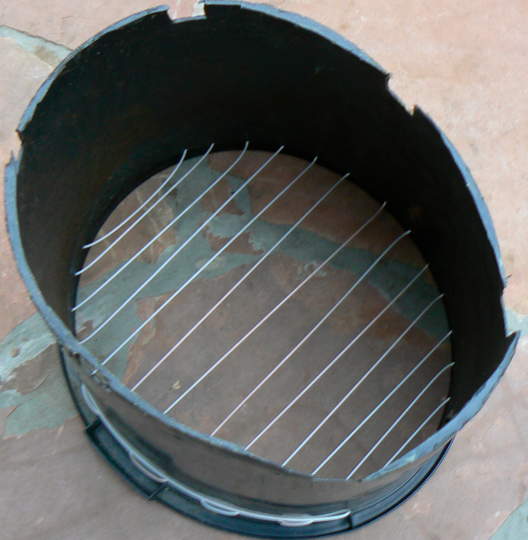
Inspired by Bruce’s flow through worm bin design at wormcompostingblog.com, and Cassandra Truax’s podcast interview w/ “worm dude” Jerry Gach.  I had some plastic buckets laying around, and decided to build a couple for myself.

I cut out the hole w/ tin snips.

Holes were spaced 1.5″ apart to thread weed eater line through using a 1/8″ drill bit.

The first layer (6 sheets of damp newspaper).

Next, I added some red worms, and layered some partially finished compost for bedding.

I will add food scraps to the top and cover with some cardboard.  The idea is that in a few weeks the worms will continue to work their way to the top and the finished vermicompost will flow through the weed eater line to be harvested from the bottom of the bin.

The Greenest Gift. What to get a gardener for Christmas.

19 Dec
Red Worm Farm complete system. The perfect Christmas gift for your favorite gardener. Red Worms will turn kitchen waste into rich fertilizer for plants and soil.

Save money, reduce waste, your plants water consumption, and produce the best fertilizer available by composting household waste with red worms. Texas Red Worms provides you with the ultimate gardening and composting system. Our shoebox sized starter farm is a perfect no hassle, no smell way to turn wastes into valuable castings for compost tea and fertilizer for your plants and soil.

Red wiggler worm farm $40, includes everything you need (bin, castings, hundreds of red worms, and food). Pictured below, shoe box size, about 5 lbs.

Red worms and castings about 2.5 lbs. $25

Get started reducing your waste today. Delivery available. Farms are located in San Antonio and Livingston, TX

210-310-5046

4 redworm experiment

15 Dec

Inspired by Bentley Christie’s 4 worm experiment where his 5 1/2 month experiment with 4 mature worms rendered 12 adults and 94 juveniles.  I began a similar experiment of 2 bins with 4 worms and my normal bedding.

11-14-10 I set up up two starter bins w/ bedding and 4 mature red worms.

12-5-10 Three weeks into the experiment I did a pretty good count in one of the bins and was able to find the 4 original worms and 4 juveniles.  I was also able to find a few cocoons.  I could have easily missed counting due to the small size of juvenile worms .

From everything I can gather a mature worm can produce an egg sac every 7 days, and reach sexual maturity in 60-90 days. The two main variables I would like some data on are:
1) time it takes a cocoon to hatch?
2) number of worms in cocoon?
I have read cocoons can hatch 3-30 baby worms, and assume healthier worms in ideal conditions will hatch more.  Accurate numbers will require accurate counting, and isolating variables.

I recognize that calling this an “experiment” is a bit of a stretch but wanted to see what would happen.