Archive | RedWorm Farming Tips RSS feed for this section

10 red worm egg experiment update

6 Jan

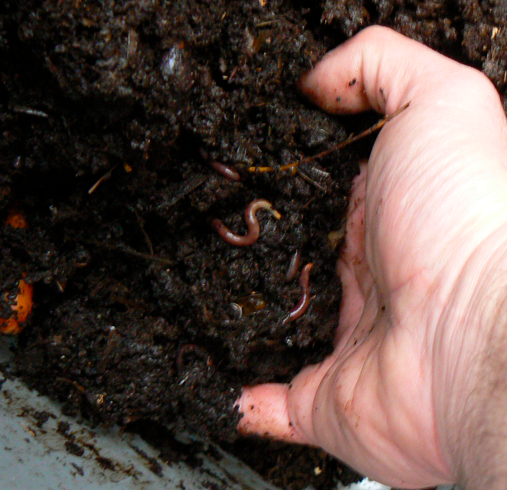
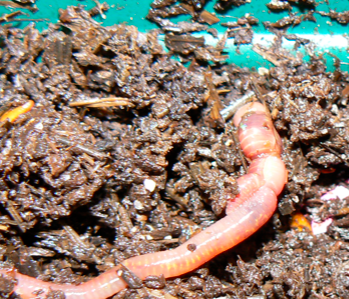
I decided to check in on a bin I had set up with only 10 red worm eggs, November 28, 2010.  To my surprise, I found several worms quickly, and the largest was this 3.5″ monster pictured above.  There was a visible clitellum, which means they have reached sexual maturity.
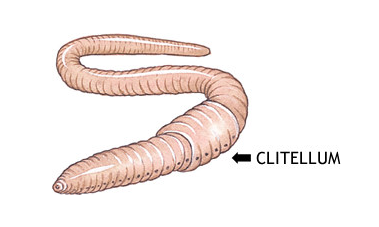
Red Worms will usually reach reproductive maturity in 2-3 months. Red Worms are hermaphroditic, and come equipped with both male and female reproductive organs.

This little experiment is proving out that your starting number of red worms is less important than providing the right environment for your worms.

Temperature: 40F-80F

Moisture: Damp but not wet- think of a wrung out sponge

Feeding: Simulate their natural environment (manure piles, decaying leaf piles) Feed in one part of bin when food is gone.  Worm food includes: vegetable scraps, egg shells, coffee grounds, herbivore manure.

Baby Texas Red Worm

4 Jan

It’s January in Texas and temperatures are right for red worm cocoons to hatch.  Temperatures will dip just below freezing at night on occasion, but right now it’s 60F.  Red worms will do fine from 40F-80F.  Mine are kept at a pretty constant 60F this time of year, and they are doing wonderful. I snapped this picture early this morning as I peeked under the lid of one of my starter farms.

Flow through Worm Bin

3 Jan

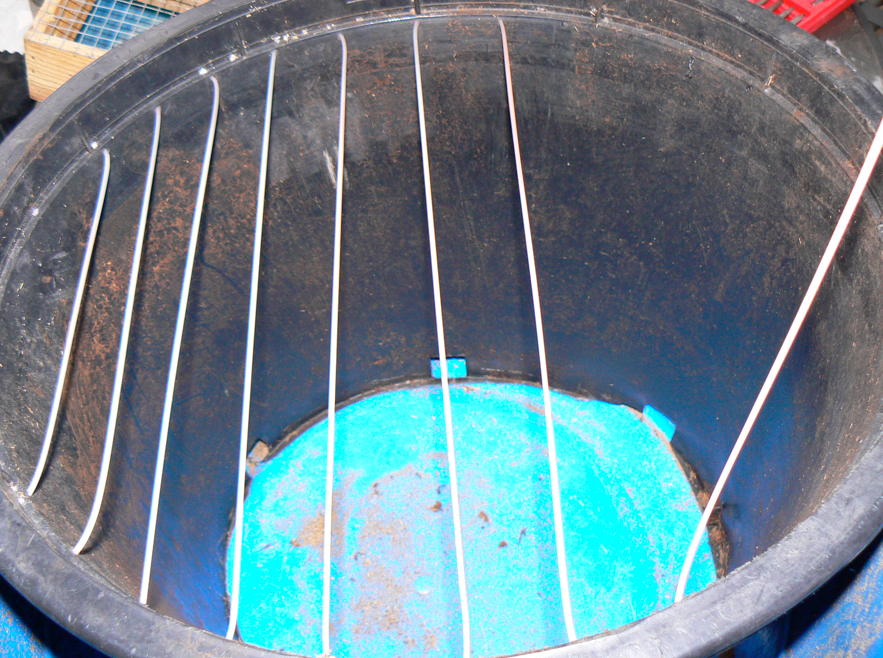
Inspired by Bruce’s flow through worm bin design at wormcompostingblog.com, and Cassandra Truax’s podcast interview w/ “worm dude” Jerry Gach.  I had some plastic buckets laying around, and decided to build a couple for myself.

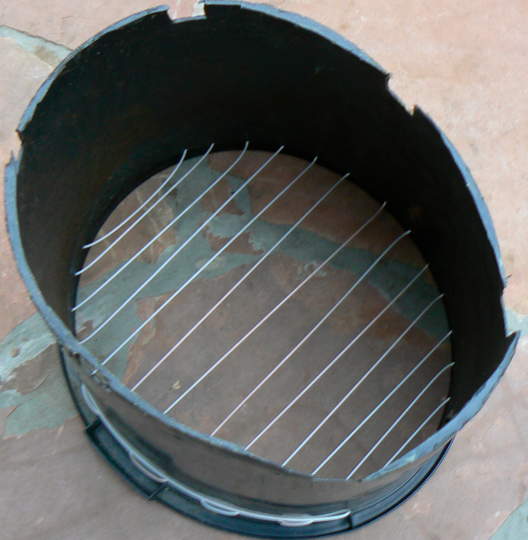
I cut out the hole w/ tin snips.

Holes were spaced 1.5″ apart to thread weed eater line through using a 1/8″ drill bit.

The first layer (6 sheets of damp newspaper).

Next, I added some red worms, and layered some partially finished compost for bedding.

I will add food scraps to the top and cover with some cardboard.  The idea is that in a few weeks the worms will continue to work their way to the top and the finished vermicompost will flow through the weed eater line to be harvested from the bottom of the bin.

4 redworm experiment

15 Dec

Inspired by Bentley Christie’s 4 worm experiment where his 5 1/2 month experiment with 4 mature worms rendered 12 adults and 94 juveniles.  I began a similar experiment of 2 bins with 4 worms and my normal bedding.

11-14-10 I set up up two starter bins w/ bedding and 4 mature red worms.

12-5-10 Three weeks into the experiment I did a pretty good count in one of the bins and was able to find the 4 original worms and 4 juveniles.  I was also able to find a few cocoons.  I could have easily missed counting due to the small size of juvenile worms .

From everything I can gather a mature worm can produce an egg sac every 7 days, and reach sexual maturity in 60-90 days. The two main variables I would like some data on are:
1) time it takes a cocoon to hatch?
2) number of worms in cocoon?
I have read cocoons can hatch 3-30 baby worms, and assume healthier worms in ideal conditions will hatch more.  Accurate numbers will require accurate counting, and isolating variables.

I recognize that calling this an “experiment” is a bit of a stretch but wanted to see what would happen.

10 red worm egg experiment

3 Dec


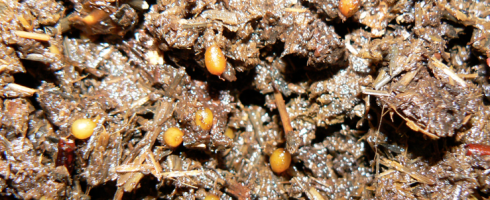
Last week, as an experiment  I stocked  a starter bin with bedding and 10 red worm cocoons or egg sacs.  I would love to be able to see the little rascals hatch, but as you will see in the next post, counting these little critters can be pretty difficult.  Stay tuned.

Tis’ the Season for RedWorms

2 Dec

December in South Texas brings Christmas time and with it some welcomed cooler temperatures ideal for red worm farming.  My red worms are loving this time of year, and are producing cocoons and castings like never before.

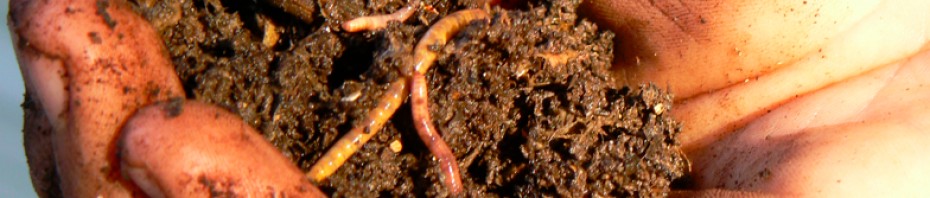
When harvesting castings or worms I have seen more “love knots” and cocoons than ever.  The picture above is of two red wigglers exchanging seminal fluid.  In ideal conditions red worms can produce a cocoon or egg sac every 7 days.  Each egg sac (depending on conditions) can hatch 4-20+ tiny red worms.

In this season of giving you can give a responsible gift that benefits everyone.  A red worm farm can compost those gift boxes, paper, and food wastet.  Vermicompost (worm manure) or castings that will nourish plants and soil and keep waste out of the landfill.  For families with little ones, red worms make a great learning gift that can teach kids responsibility and how to be good stewards of their environment.

Merry Christmas! from TexasRedWorms.com

Be sure to add a little sand to your Red Worm bin.

22 Nov

When setting up a new bin it is helpful to add a handful of sand.  This will help aid in the red worms digesting of food.  The sand will provide the necessary grit in their gullet to help them grind food.  If you are setting up an outdoor bin pick a shady spot with sandy soil if possible.  The sand will not only help your worms but, provides excellent drainage, as well.

TexasRedWorms.com starter farms are complete systems that contain everything you need in an established environment that includes bedding, food, red worms, and castings.  We prefer to sell and ship worms this way, especially for beginners.  We want to take the guess work out of starting your farm, and ensure your success as a red worm farmer.

Perfect time for Red Worming (Vermicomposting)

12 Nov

It’s always the right time to add compost to your soil, and always a great time to get started composting with Red Worms.  It’s Fall in Texas and the cooler weather is ideal for work outside and setting up your worm bed.

TexasRedWorms.com provides you the easiest way to start composting with Red Worms (vermicomposting) today.  Our shoebox sized Starter Farm provides everything you need to produce nutrient rich castings for your plants and soil, and a thriving breeding brood of red worms (eisenia foetida) nature’s best composter.

Check out our latest ad on Craigslist or just give us a call 210-310-5046.  If you are in the San Antonio or Livingston, TX area pick up can be arranged, or call for shipping information.

What to feed red worms

30 Oct

(Eisenia Foetida) red worms also known as red wigglers, manure worms, brandling worms, and tiger worms are native to Europe and found naturally in decaying piles of leaves and manure. Their adaptability and heartiness allow them to thrive in various climates and bins. They prefer temperatures from 40F-80F and are terrific composters.

Vegetable and fruit scraps, herbivore manure, yard clippings, paper products, used coffee grounds, and egg shells round out what I use to feed my worms.  Avoid over heating worm bins caused by the composting process, and to speed up availability of bite sized food for the worms by feeding partially composted food scraps and manure.   I feed my red worms from my compost bins.  Variety and balance will keep your worms healthy and happy, and will ensure a balanced pH in your bins and will avoid worms trying to escape and other problems.

Scraps straight from the table can be added in small quantities to a section of an established bin when the worms have eaten through their previous feeding.  For beginners and new bins I recommend feeding less course or already broken down matter.

Outdoor Red Worm Farm

12 Oct

Red Worm farming is fun, easy, and helps you convert food wastes into rich natural fertilizer for your yard, plants, and garden.  Red worms are prolific and with time a handful of worms will grow exponentially.  I have build worm beds, pits, containers of all shapes and sizes and this weekend tried something new.  We had an old chicken coop that I converted into an outdoor bed.

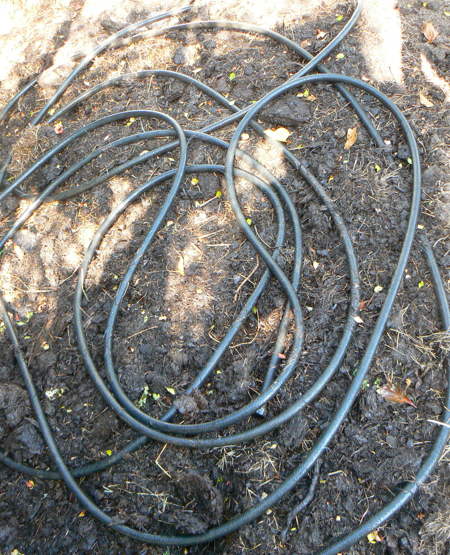
This old chicken coop is a great spot for a worm bed.  Protected from direct sun and wind with a sandy soil base that will ensure good drainage.  I tilled up an area of about 10′ X 10′ and added a few loads of aged cow and horse manure to about 6″ depth.  Next, I ran a soaker hose over the bed and wet down the manure.  Last, I added about 2lbs. of bed run worms to start.

Things to consider when preparing a worm bed:

Protection from sun and extreme temperatures – (tin roof and three sided wall, and  at least 6 inches of bedding)

Moisture – Add depth of bedding and provide adequate watering. (6″ of aged manure and soaker hose, can cover with old carpet, plywood, or tarp)

Drainage – (sandy soil or sand base will keep water from collecting and drowning worms)

Bedding and Food- (partially broken down compost and aged manure are excellent for red worms)